Scientists Reprogram Cancer-Fighting Cells Inside the Body
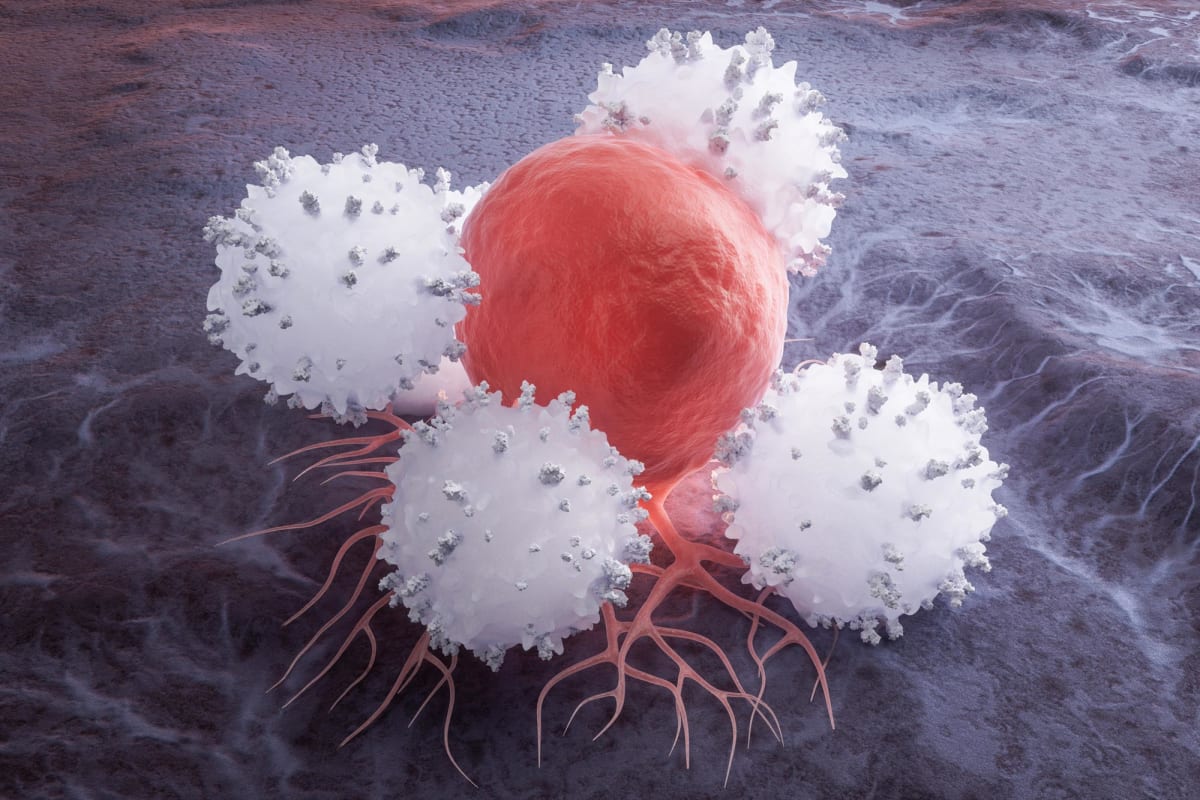
Researchers have developed a method to engineer cancer-fighting immune cells directly in the bloodstream, eliminating the need for expensive lab processing. Early tests show tumors disappearing in two weeks.
A medical breakthrough could make one of the most powerful cancer treatments faster, cheaper, and available to millions more patients worldwide.
Scientists at UC San Francisco have figured out how to reprogram immune cells to fight cancer without ever removing them from the body. This eliminates the weeks-long wait and $400,000 price tag that currently keeps many patients from accessing CAR-T therapy, one of the most effective treatments for blood cancers.
The traditional process requires doctors to extract a patient's immune cells, ship them to a specialized lab for genetic modification, and then infuse them back weeks later. During that waiting period, cancer can spread, and some patients become too sick to receive treatment.
The new approach uses CRISPR gene editing tools delivered directly into the bloodstream. Tiny particles coated with special antibodies find and attach only to T cells, the immune system's cancer fighters. Once attached, they insert precise genetic instructions that turn these cells into cancer destroyers.
In tests on mice with human-like immune systems, a single injection cleared aggressive leukemia in nearly every animal within two weeks. The engineered cells made up 40% of immune cells in some organs and eliminated cancer from bone marrow and spleen.
The treatment also worked against multiple myeloma and, remarkably, a solid tumor. Solid tumors have historically resisted CAR-T therapy, making this result especially exciting.
Justin Eyquem, the study's senior author and associate professor at UCSF, noticed something unexpected. The cells engineered inside the body actually performed better than those created in labs. He believes removing cells for lab processing causes them to lose their natural ability to multiply and adapt.
The Ripple Effect
This breakthrough extends far beyond cancer treatment. The precision targeting technique opens doors for treating genetic disorders, autoimmune diseases, and conditions previously thought impossible to address with gene therapy.
The global access problem could finally have a solution. Seven CAR-T therapies are currently FDA-approved, but their astronomical costs and manufacturing complexity mean most patients who need them never receive them. An in-body approach could reduce costs dramatically while speeding up treatment from weeks to days.
The method also eliminates the need for intensive pre-treatment chemotherapy, which prepares the body to receive lab-grown cells but can be devastating for older or fragile patients.
Eyquem and his team have launched Azalea Therapeutics to move the technology toward human clinical trials. While safety testing still lies ahead, the mouse studies published in Nature show clear proof of concept.
The researchers successfully inserted large DNA sequences into precise locations within T cells, marking the first time this has been accomplished inside a living body. The targeted insertion proved superior to conventional viral methods that insert DNA randomly.
Medical researchers across the field are calling this the beginning of a transformational wave in cancer treatment and gene therapy.
More Images
Based on reporting by Google News - New Treatment
This story was written by BrightWire based on verified news reports.
Spread the positivity!
Share this good news with someone who needs it