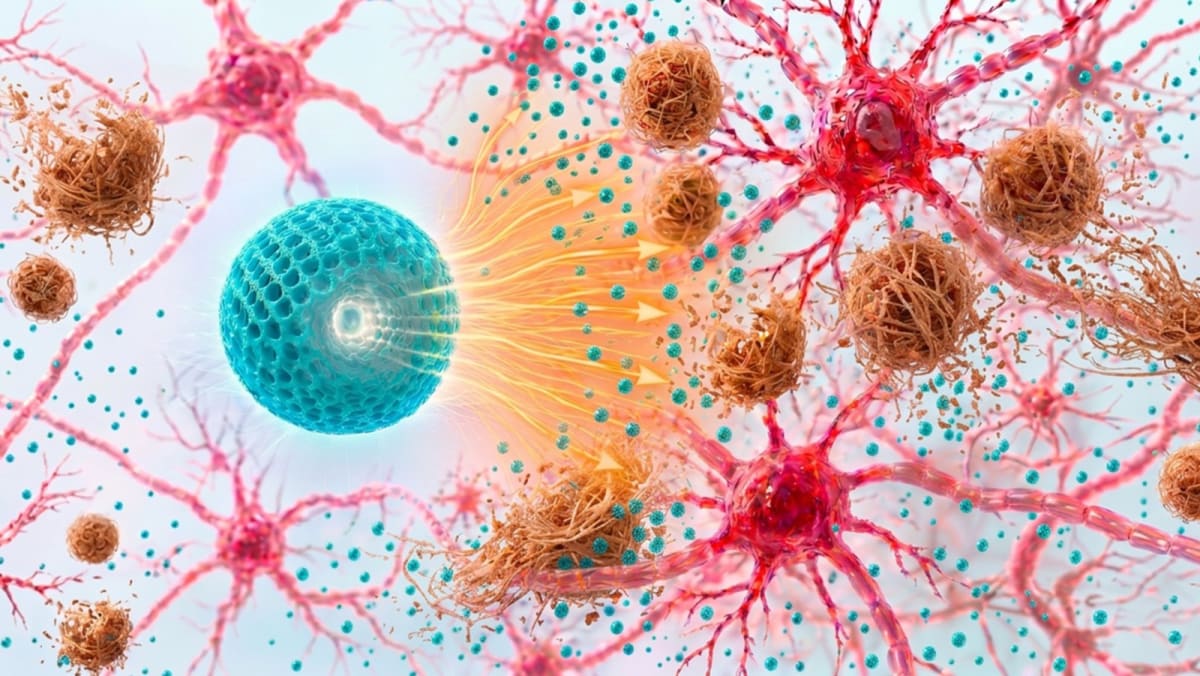
Scientists Reveal Immune Cells Have Memory and Healing Power
Researchers have discovered that neutrophils, the body's most abundant immune cells, are far smarter than anyone thought. These cellular defenders can remember past threats, repair damaged tissue, and coordinate like an organized community.
The cells racing through your bloodstream right now might be capable of something remarkable: remembering the battles they've fought and learning how to heal you better.
Scientists from Universidad Carlos III de Madrid, the National Center for Cardiovascular Research, and Yale University just published groundbreaking research in the journal Cell that completely rewrites what we know about neutrophils. These tiny warriors make up the largest part of your immune system and are first responders when you get sick or injured.
For decades, doctors thought neutrophils had one simple job: show up fast, kill germs, and die quickly. But this new research reveals they're actually sophisticated cells that can adapt to different situations, remember previous infections, and even help grow new blood vessels while repairing damaged tissue.
Professor Iván Ballesteros explains the discovery using a perfect analogy. "We cannot study what a worker ant or a soldier ant does separately; we have to understand how the cells coordinate and what role each one plays," he says. Just like an anthill operates as one intelligent system, neutrophils work together as an organized collective.
The research team found that neutrophils organize themselves into two connected groups. One group lives in bone marrow, constantly producing new cells and storing information about past threats. The other group patrols your blood and tissues, ready to respond with knowledge gained from previous exposures.
This organization explains how these cells can do so many different jobs. They don't just fight infection. They participate in tissue repair, help regulate immune responses, and maintain balance throughout your organs.
Why This Inspires
This discovery could transform how doctors treat cancer, autoimmune diseases, and chronic inflammation. Instead of just trying to boost or suppress the immune system broadly, treatments could now target specific neutrophil functions or reprogram how they respond.
"Neutrophils are not mere executors of immediate immune responses, but a highly organized, plastic system with memory, whose therapeutic potential is still far from being exploited," says co-author Andrés Hidalgo. That untapped potential could lead to gentler, more effective treatments for conditions from arthritis to cancer.
The research suggests that by understanding neutrophils as a coordinated system rather than individual cells, scientists can finally see patterns and possibilities that were invisible before. It's like switching from watching single pixels to seeing the whole picture on a screen.
Your immune system just got a major upgrade in scientists' understanding, and that knowledge could open doors to healing approaches nobody imagined possible just a few years ago.
More Images



Based on reporting by Medical Xpress
This story was written by BrightWire based on verified news reports.
Spread the positivity!
Share this good news with someone who needs it