Scientists Revive Mouse Brains After Deep Freeze
German researchers successfully restored brain function in mouse tissue after freezing it at -320°F for up to a week. The breakthrough could one day protect injured brains and preserve donor organs.
Scientists just took a major step toward making science fiction real by bringing frozen mouse brains back to life.
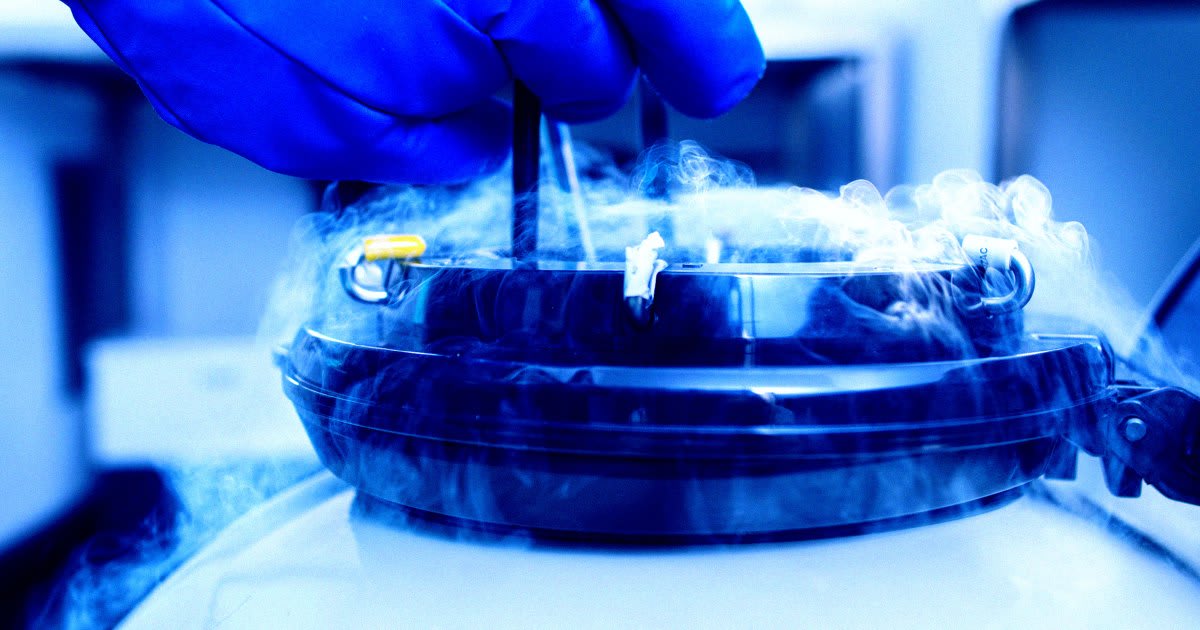
Researchers at the University of Erlangen–Nuremberg in Germany froze slices of mouse brain tissue at -320 degrees Fahrenheit, kept them frozen for up to seven days, and then successfully restarted brain activity after thawing. The team used a special technique called vitrification that turns tissue into a glass-like state instead of forming damaging ice crystals.
Lead researcher Alexander German and his colleagues carefully preserved thin slices of mouse brain by dipping them in protective chemicals before the deep freeze. When they examined the thawed tissue under microscopes, they found that brain cells and connections had stayed intact through the extreme cold.
Even more exciting, the neurons responded to electrical signals almost normally after being thawed. The part of the brain responsible for learning and memory showed particularly strong recovery, suggesting the cellular machinery that makes us who we are can survive complete freezing.
The research, published in the Proceedings of the National Academy of Sciences, pushes past what scientists thought possible for preserving living tissue. The team proved that brain function can restart even after all molecular movement stops in the frozen state.
The Ripple Effect
This breakthrough opens doors far beyond space travel fantasies. Doctors could one day use the technique to protect brains during severe injuries, giving patients more time to reach life-saving treatment. Organ transplant programs might keep donor organs viable for weeks instead of hours, connecting more patients with the organs they desperately need.
German's team already has preliminary results showing the method works on human brain tissue too. They're working on scaling up the technology to preserve entire organs, though they admit better freezing and thawing methods are still needed before large-scale applications become possible.
The path from frozen mouse brain slices to suspended animation for humans remains long and complex. But every impossible thing starts with a first step, and this research proves that death of brain function doesn't have to be permanent.
Future medical breakthroughs often look like science fiction at first, and today's discovery brings hope that tomorrow's medicine will be extraordinary.
More Images
Based on reporting by Futurism
This story was written by BrightWire based on verified news reports.
Spread the positivity!
Share this good news with someone who needs it

%2Fhttps%3A%2F%2Ftf-cmsv2-smithsonianmag-media.s3.amazonaws.com%2Ffiler_public%2F0a%2F75%2F0a75c260-fa9a-425c-bf5e-b90eaf93c0f5%2Fmouse-brain.png)
