Scientists Revive Vancomycin to Beat Superbugs
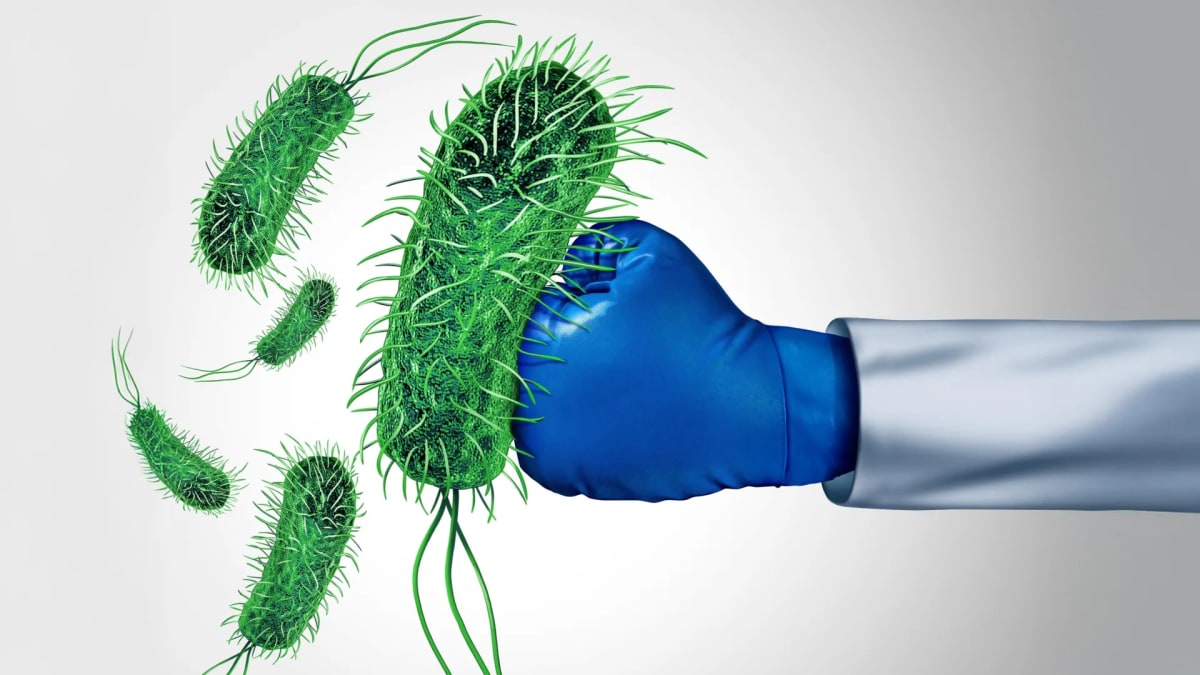
Researchers have given new life to vancomycin, a powerful antibiotic that drug-resistant bacteria had learned to defeat. By pairing it with a helper molecule, they restored the drug's ability to kill deadly superbugs.
A once-defeated antibiotic is getting a second chance to save lives, thanks to scientists who figured out how to outsmart drug-resistant bacteria.
Researchers at Cold Spring Harbor Laboratory and Scripps Research have successfully revived vancomycin, a crucial antibiotic used to fight severe infections like MRSA and C. difficile. Instead of creating an entirely new drug, they paired vancomycin with a small molecule called pghi-4 that blocks a key bacterial defense.
The combination worked. Drug-resistant E. faecium, which had evolved to survive vancomycin, could no longer withstand the treatment when both compounds were used together.
Professor John Moses, who led the research at Cold Spring Harbor, didn't set out to fight antibiotic resistance. His team spent years developing faster ways to build new chemical compounds using a technique called diversity oriented clicking. They created a library of more than 150 different molecules that other researchers could test for various medical uses.
One of those molecules, pghi-4, turned out to disable a bacterial enzyme called secreted antigen A. This enzyme helps bacteria resist antibiotics. When scientists blocked it, vancomycin regained its killing power against resistant strains.
The discovery matters because antibiotic resistance is becoming a serious global threat. As bacteria evolve, common infections grow harder to treat. Routine surgeries and cancer treatments become riskier when antibiotics stop working.
Rather than racing to invent completely new drugs, Moses and his colleagues are showing that we can rescue medicines we already have. They call these helper molecules "antibiotic adjuvants." The adjuvants don't kill bacteria on their own, but they strip away the defenses that protect resistant bacteria from existing antibiotics.
The Ripple Effect
The Moses laboratory has made its entire chemical library available to other researchers worldwide. Scientists are already exploring whether similar approaches could restore other failing antibiotics. The strategy might work against resistant tuberculosis and other infections that have stumped modern medicine.
Moses describes the work as "a philosophy of chemistry that's designed to accelerate drug discovery in its purest form." By using reliable chemical reactions to build new molecules efficiently, his team is helping researchers test promising ideas faster.
The research shows that tomorrow's medical breakthroughs might come from looking backward as much as forward. Sometimes the best new treatment isn't a brand-new drug, but a clever way to make an old one work again.
Based on reporting by Science Daily
This story was written by BrightWire based on verified news reports.
Spread the positivity!
Share this good news with someone who needs it