Scientists Run Two Genetic Codes at Once in Major Leap
Researchers led by George Church have figured out how to run two different genetic codes simultaneously, bypassing years of tedious genetic editing. This breakthrough could fast-track the creation of new medicines and materials.
Scientists just solved a puzzle that's been slowing down some of the most exciting work in biology: how to experiment with new genetic codes without breaking everything else in a cell.
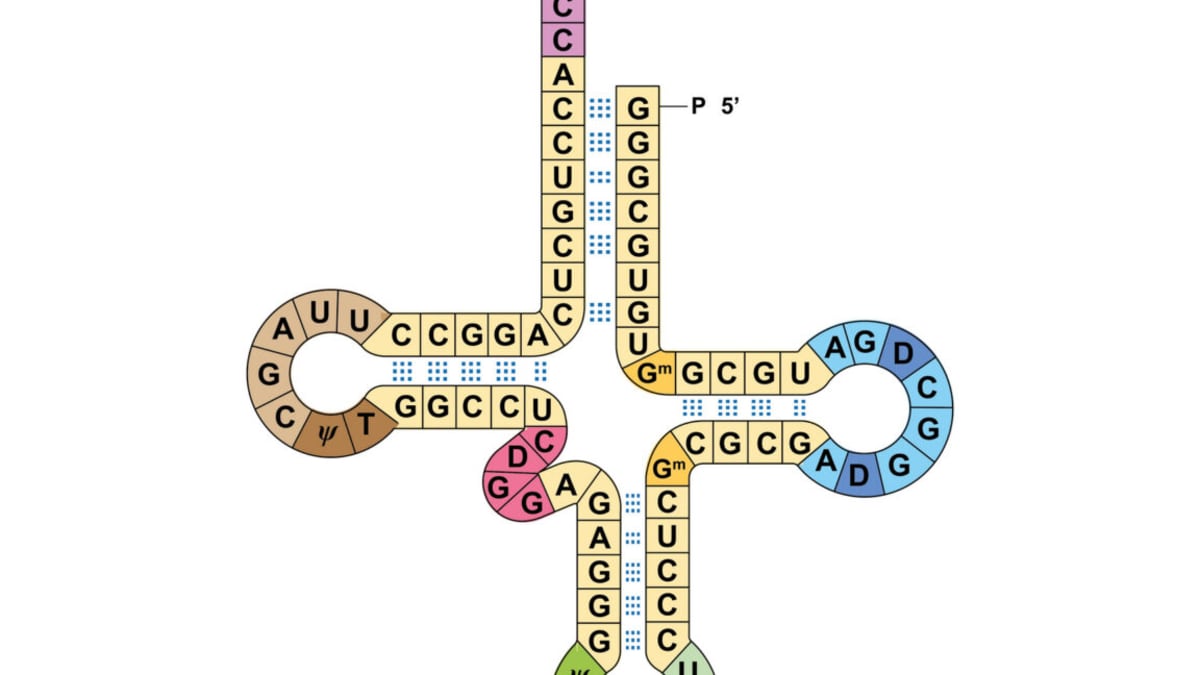
Think of your genetic code as the instruction manual every cell uses to build proteins. It's been the same manual for billions of years, used by everything from bacteria to humans. Changing even one instruction usually means rewriting thousands of pages, which takes years of painstaking work.
A team led by synthetic biologist George Church found a clever workaround. Instead of rewriting the manual, they created a second set of workers that reads different instructions.
Here's how it works. Cells use tiny machines called ribosomes to read genetic instructions and build proteins. The researchers discovered they could modify some ribosomes to recognize a totally different genetic code, while leaving the original ribosomes untouched.
The modified ribosomes only work with specially tagged genetic instructions, ignoring the normal ones. Meanwhile, the normal ribosomes keep doing their regular job, ignoring the new instructions. Two codes, running side by side, without interfering with each other.
The team had to invent entirely new testing methods just to confirm their approach worked. They used robotics, advanced chemistry, and genetic sequencing to prove that both systems could operate simultaneously without conflict.
Why This Inspires
This breakthrough means scientists can now test new genetic codes without spending years editing every gene in an organism. That could dramatically speed up work on custom proteins for medicine, like better antibodies for cancer treatment or enzymes that break down plastic waste.
The approach also opens doors to creating organisms with expanded genetic alphabets. Instead of being limited to the 20 amino acids nature uses, scientists could potentially add dozens more, creating proteins with entirely new properties.
What makes this especially exciting is that it solves a problem that's frustrated researchers for decades. Previous attempts to modify genetic codes meant choosing between incredibly slow progress or risking complete cellular breakdown.
The team hasn't tested this in living cells yet, just in test tubes. Real cells might present new challenges. But the proof of concept is solid, and the automated systems they developed will help other labs build on this work quickly.
This is the kind of fundamental advance that doesn't make headlines immediately but could underpin countless breakthroughs over the next decade. From designer drugs to sustainable manufacturing, the applications are limited only by imagination.
The future of biology just got a lot more creative.
More Images



Based on reporting by Ars Technica Science
This story was written by BrightWire based on verified news reports.
Spread the positivity!
Share this good news with someone who needs it