Scientists Save Goannas Using Their Own Enemy: Baby Toads
In a counterintuitive conservation win, Australian scientists are breeding invasive cane toads to save native goannas from extinction. By teaching predators to avoid the toxic species through exposure to harmless juveniles, they've boosted survival rates from 10% to 90%.
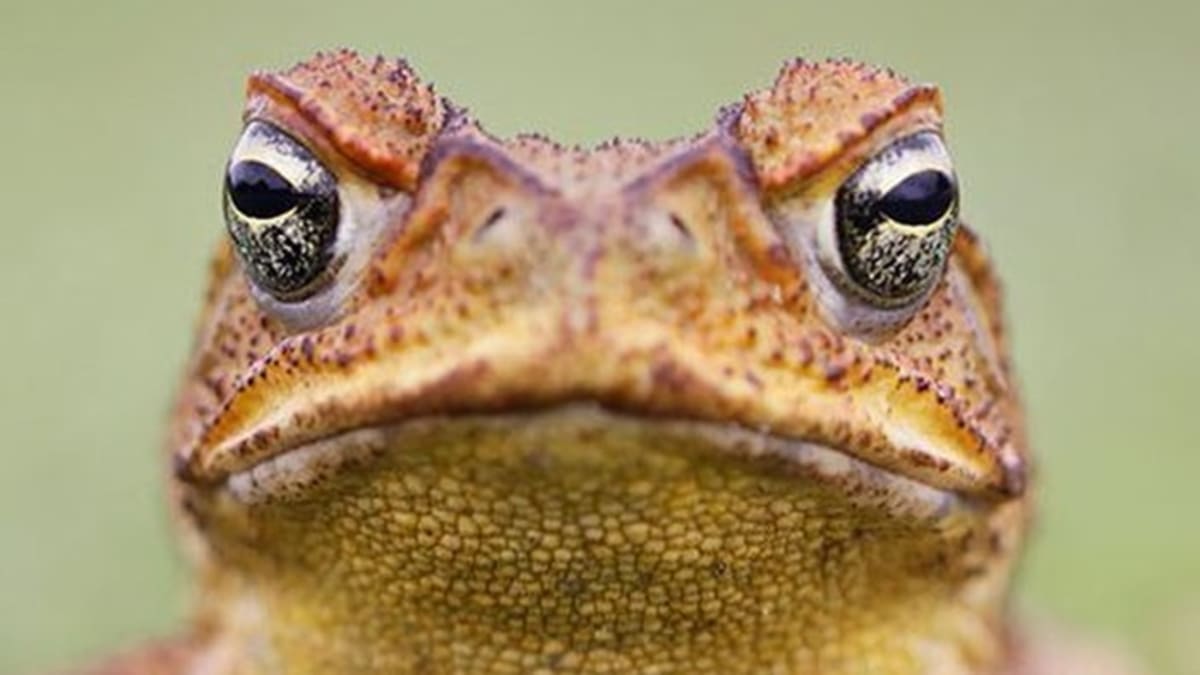
Australian researchers have flipped the script on one of the country's most destructive invasive species by using baby cane toads to save the very animals adult toads would kill.
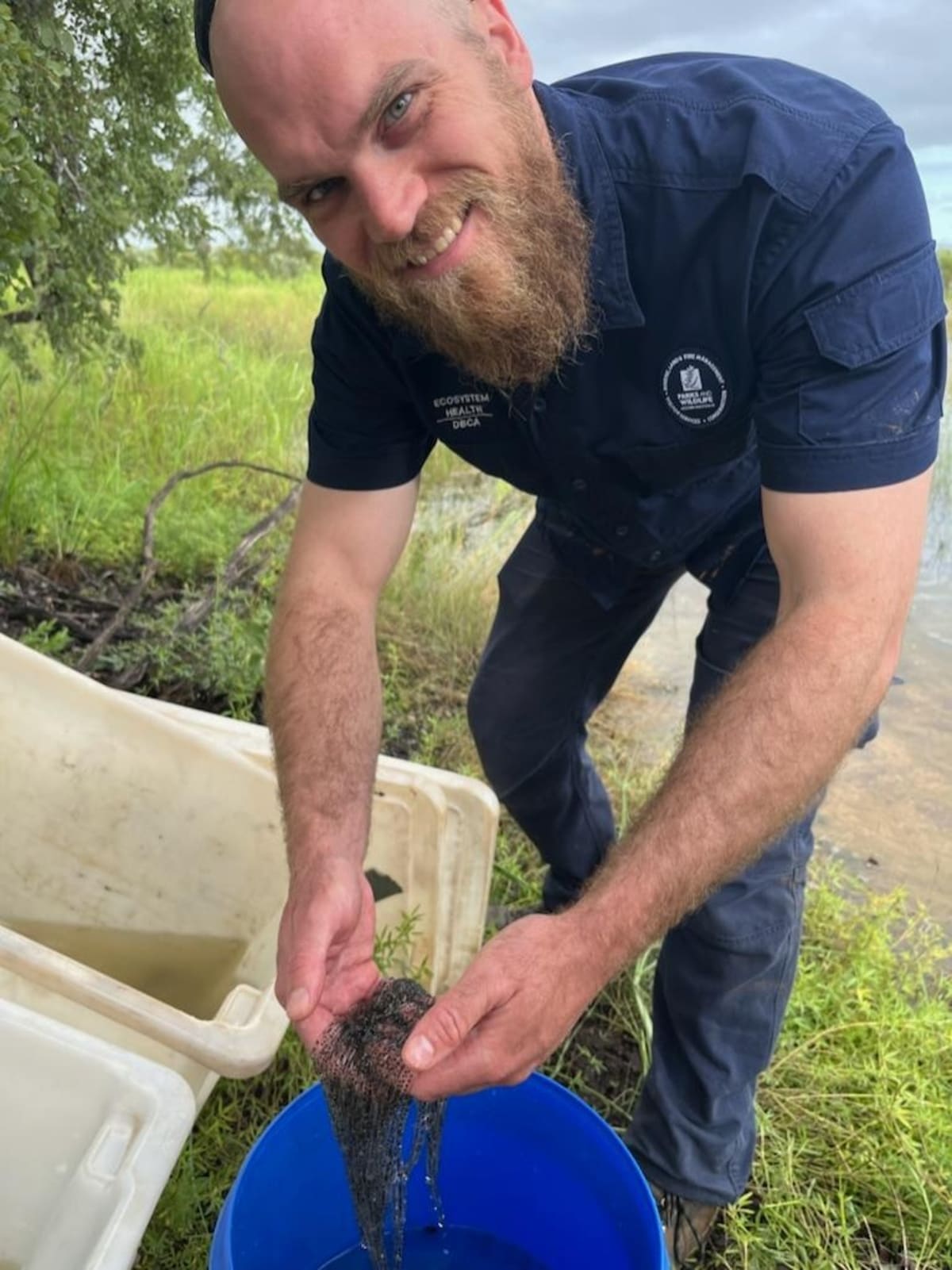
The Department of Biodiversity, Conservation and Attractions has been deliberately breeding cane toads in Western Australia's Kimberley region for over a decade. Their mission sounds absurd at first: release more of an invasive pest that's been devastating native wildlife since the 1930s.
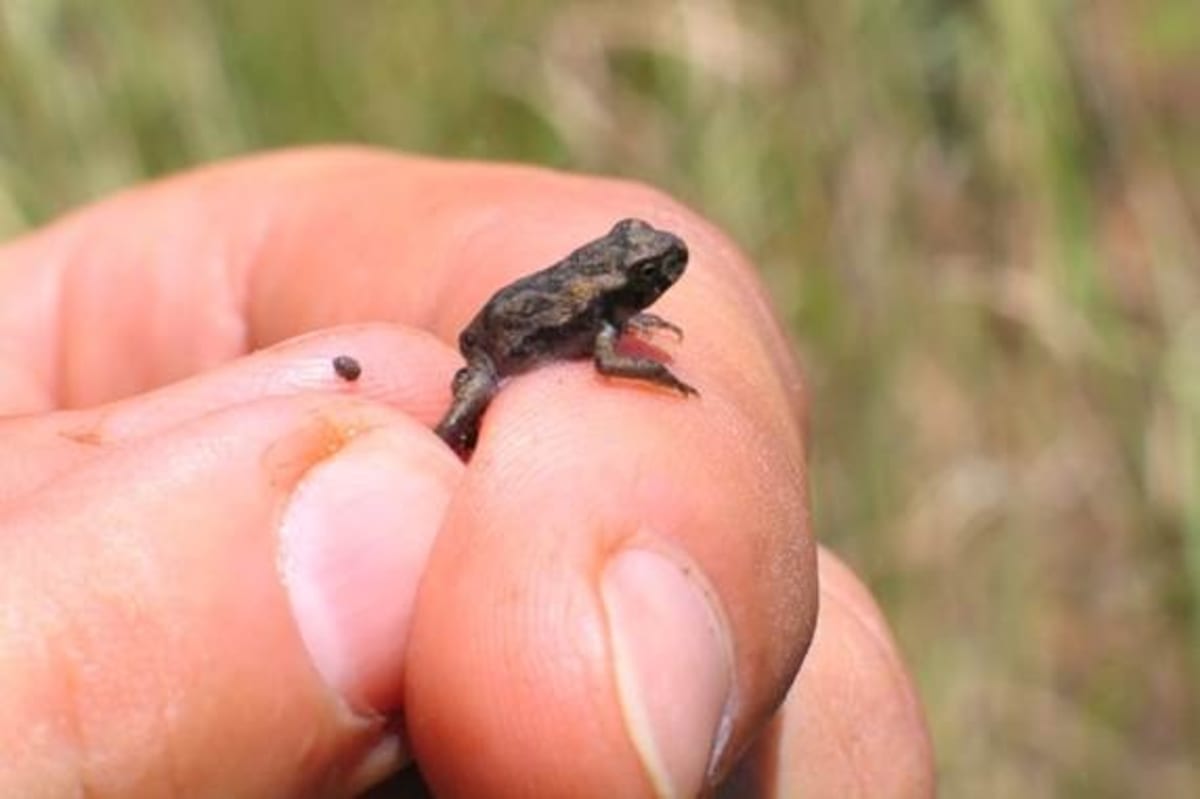
But the strategy is brilliant. Scientists breed juvenile toads that contain much lower toxin levels than adults. When goannas eat these smaller toads, they get sick but recover quickly, developing a lasting aversion to all cane toads.
The results speak louder than the skeptics. At sites where researchers released baby toads, 60 to 90 percent of goannas survived when the main toad population arrived. At control sites without the training program, goanna populations crashed by over 90 percent.
Program coordinator Michael Main acknowledges the approach "sounds a bit crazy." Yet after years of success across the Kimberley, the team is now expanding to Roebuck Plains near Broome, targeting areas just before the cane toad wave arrives.
The community has embraced the unusual conservation effort with enthusiasm. Derby Landcare Group organized a nighttime cane toad muster where families competed to catch the most specimens for the breeding program.
Despite pouring rain and darkness, locals caught 137 cane toads in just 90 minutes. One determined participant nabbed 60 toads single-handedly. Chairperson Robin Chapple described the largest catch as "a bit like a boxing glove."
The Ripple Effect
The program's success extends beyond just goanna populations. By preserving these native predators, researchers are protecting entire ecosystem balance in northern Australia. Goannas play crucial roles in controlling insect populations and dispersing seeds.
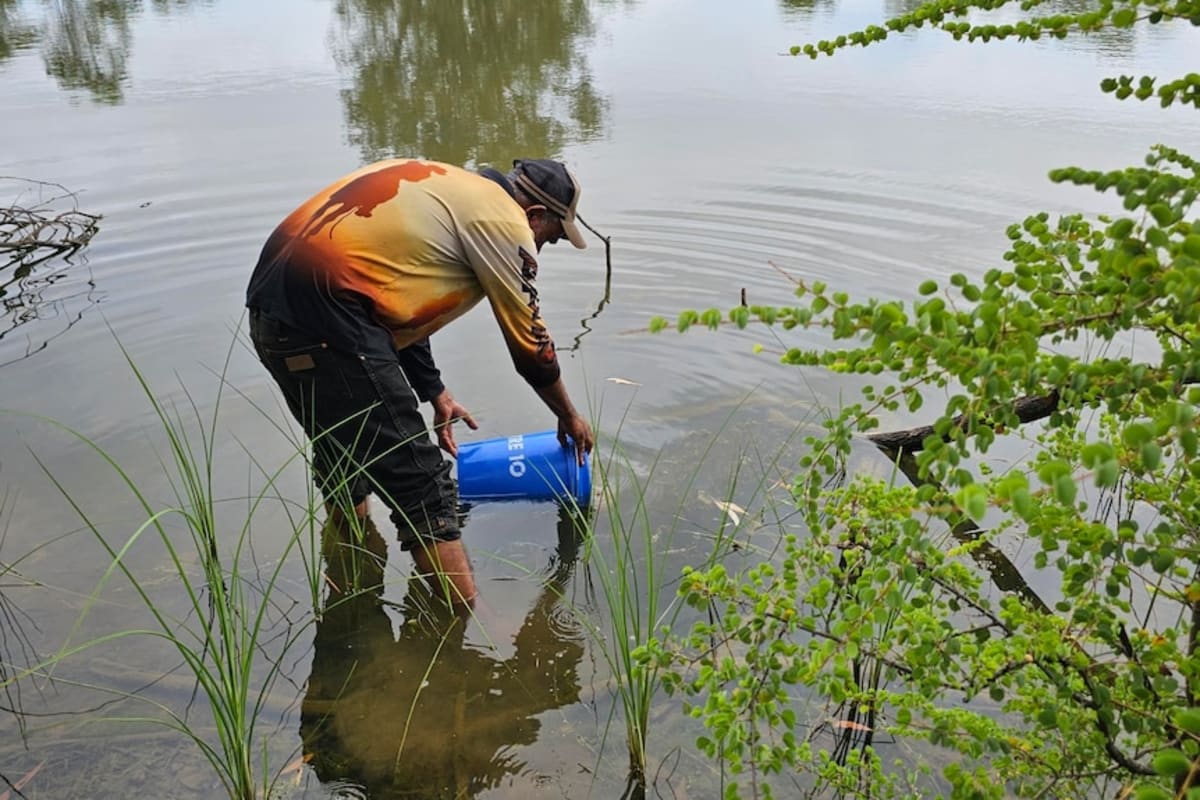
Local Indigenous communities including Nyikina Mangala rangers and the Yawuru people are partnering with scientists this year to release toad eggs and monitor results. These collaborations blend traditional ecological knowledge with innovative conservation science.
The cane toad musters have also strengthened community bonds. Families gather for what Chapple calls "a fun night" complete with ice cream rewards, turning invasive species management into quality time together. Kids particularly love the challenge of catching the slippery amphibians.
What started as a counterintuitive experiment has become a proven model for managing invasive species impacts. Rather than fighting an unwinnable battle against cane toad spread, scientists are teaching native animals to coexist with the threat.
Sometimes the best solution to a problem is teaching others to solve it themselves.
More Images
Based on reporting by ABC Australia
This story was written by BrightWire based on verified news reports.
Spread the positivity!
Share this good news with someone who needs it