Scientists Save Turkey's Last Lakes for Migrating Birds
A small team of conservationists is rescuing critical wetlands in eastern Turkey where 68% of the country's bird species migrate, after 186 of the country's 240 lakes have already vanished. Their creative solutions are giving millions of birds a fighting chance.
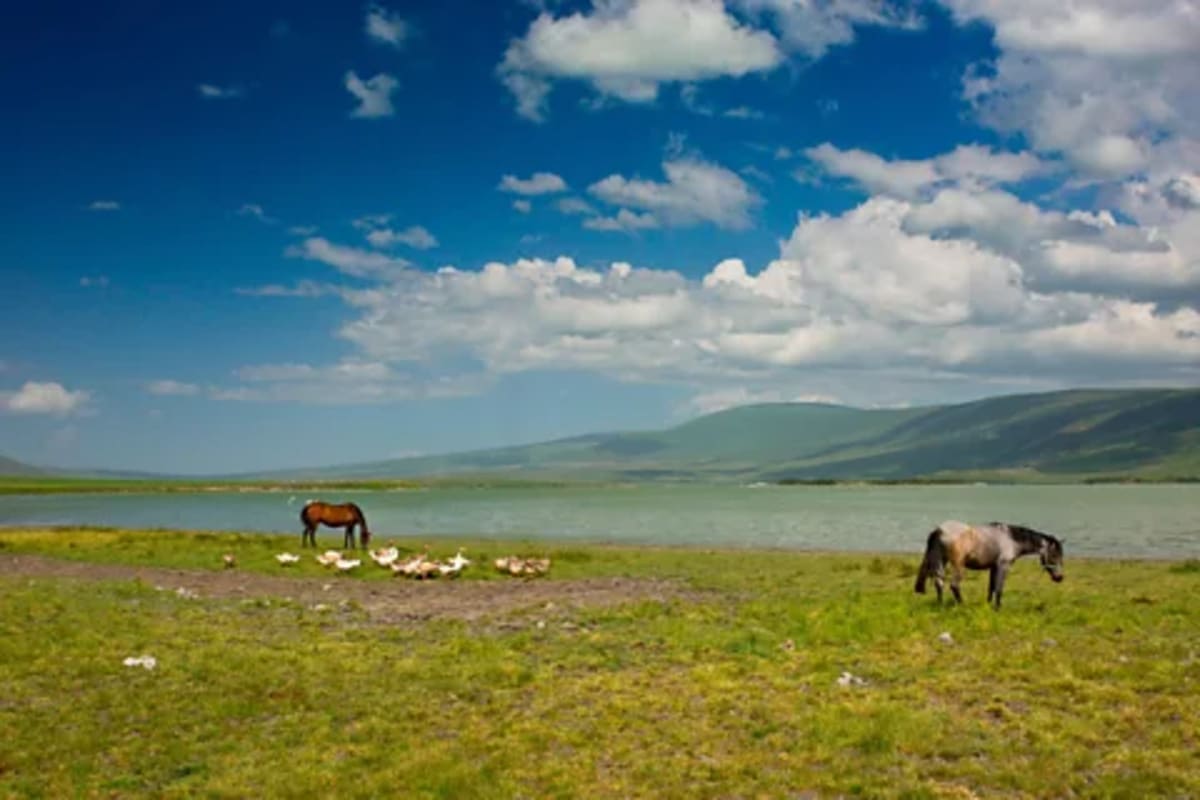
When scientist Çağan Hakkı Şekercioğlu first visited Lake Kuyucuk in 2004, he counted over 40,000 birds in less than a square mile. That tiny Turkish lake held 12% of the world's entire population of ruddy shelduck, a species already rare across the globe.
But by 2010, the lake was dying. What once measured 43 feet deep had shrunk to just over 3 feet, drained by illegal wells and makeshift dams local farmers built to water their livestock.
Şekercioğlu and his conservation group KuzeyDoğa didn't give up. They worked with villagers to understand their needs while explaining why the birds mattered, and together they took down the dams blocking the lake's feeding streams.
Now they're racing to protect what remains. Four out of five Turkish lakes have already dried up completely, threatening one of the world's most important bird migration routes that connects Europe and Africa.
The wetlands of northeastern Turkey host 68% of all bird species found in the country. Nearly two thirds of the world's bird species are declining, making these remaining lakes even more critical for survival.
The Ripple Effect
The team's creative solutions are working beyond just removing dams. When the Turkish government planned a road to the Georgian border near Lake Aktaş, Şekercioğlu proposed moving it a mile away from the water.
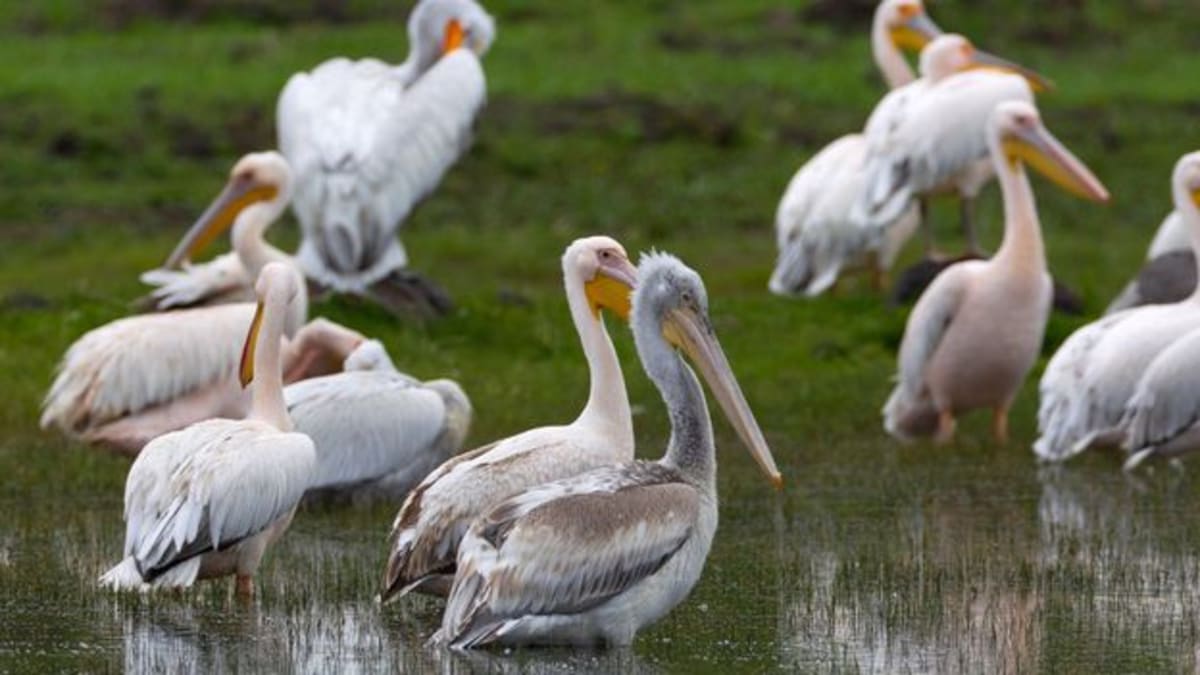
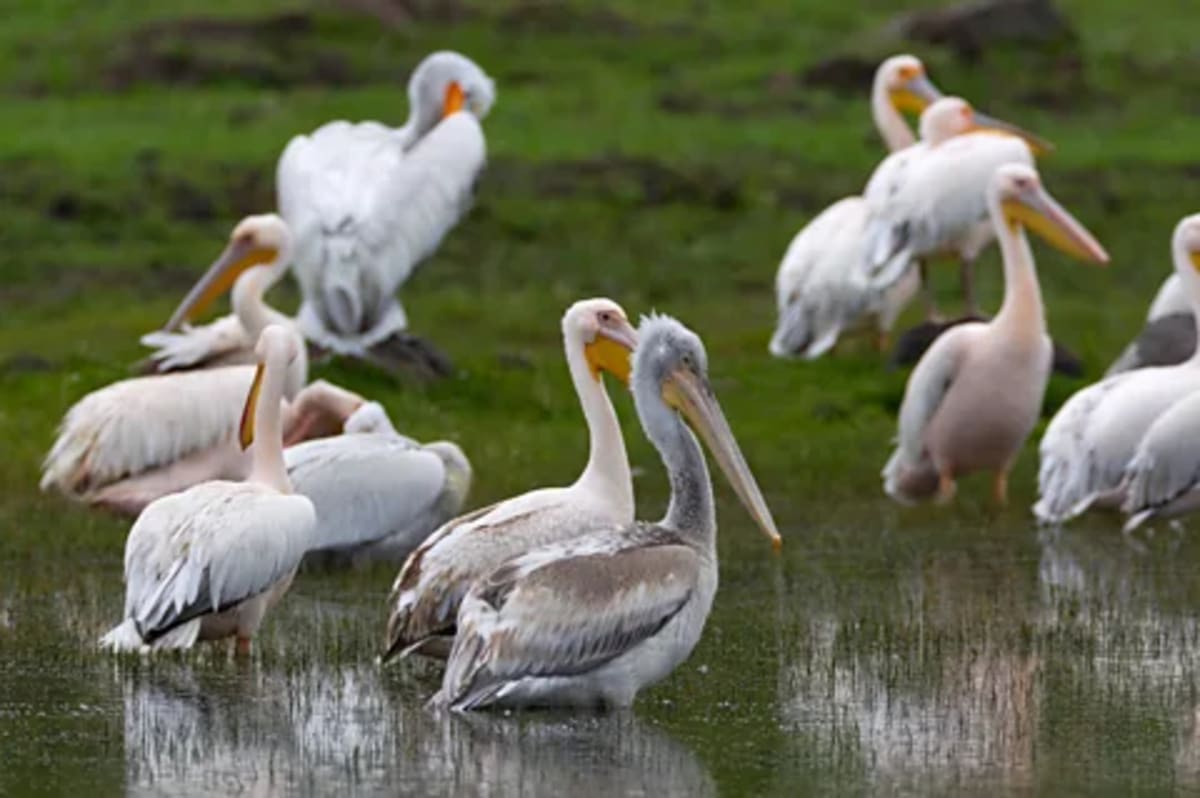
Officials agreed and built barriers to reduce noise and direct birds to fly high enough to avoid cars. The lake now remains a sanctuary for critically endangered species like the sociable plover and both types of pelicans that still visit Turkey.
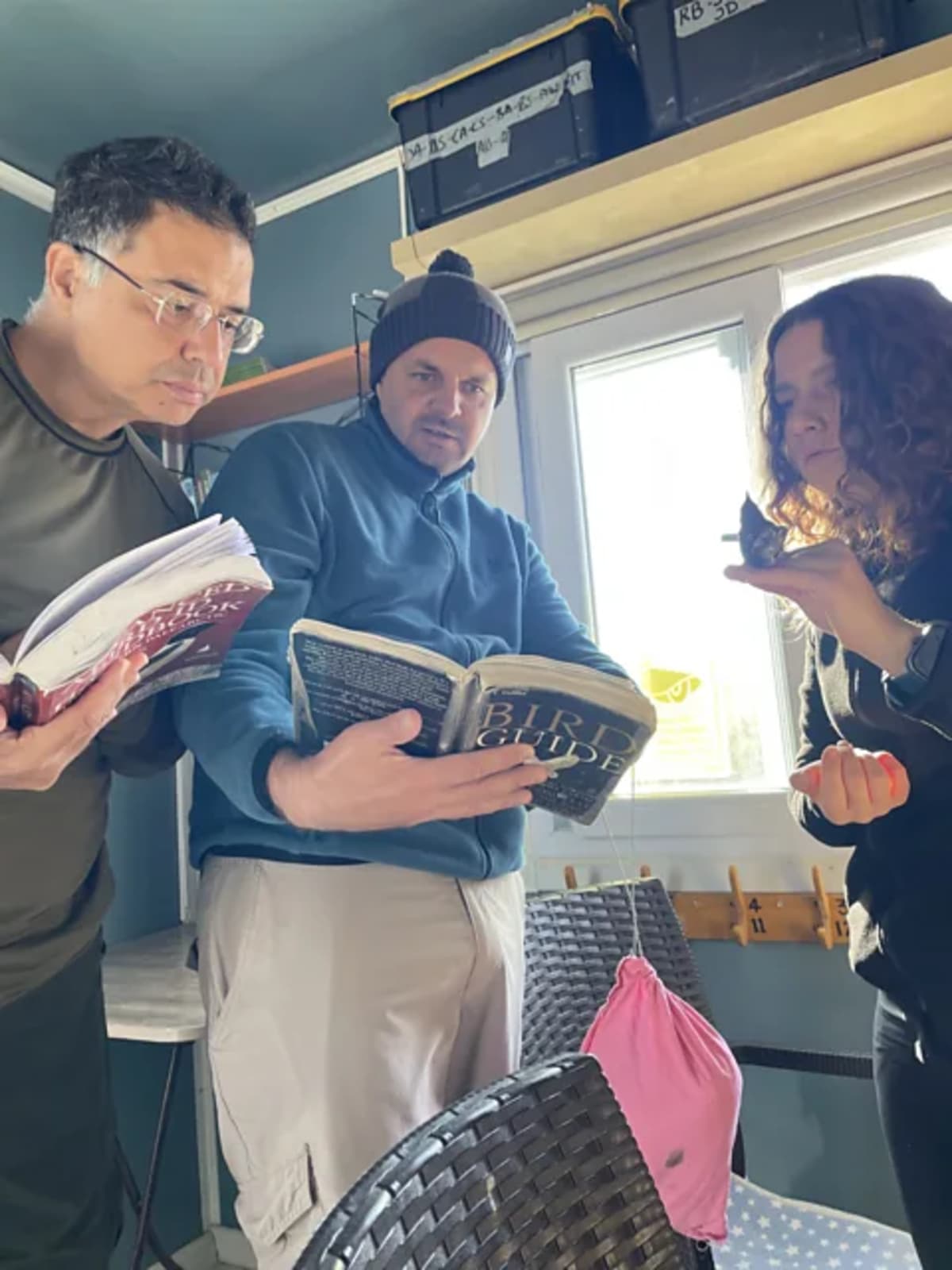
In 2006, Şekercioğlu opened the region's first bird migration research station along the route. His work protects not just local wildlife but the entire ecosystem connecting three continents.
The solutions address both nature and community needs. By working with farmers instead of against them, the team is proving that conservation can succeed even in politically complex border regions facing climate threats.
Every lake saved means millions of migrating birds have a place to rest, breed, and survive their transcontinental journeys. One small organization is showing that local action can protect global wildlife, one wetland at a time.
More Images
Based on reporting by BBC Future
This story was written by BrightWire based on verified news reports.
Spread the positivity!
Share this good news with someone who needs it