Scientists Save World's Rarest Plants After Australia Fire
After bushfires nearly wiped out 26 endangered plant species in Western Australia's Stirling Range, conservationists are bringing them back from the brink using frozen seeds and careful replanting. One critically endangered banksia had just 37 plants left in the world before the 2018 fires burned them all.
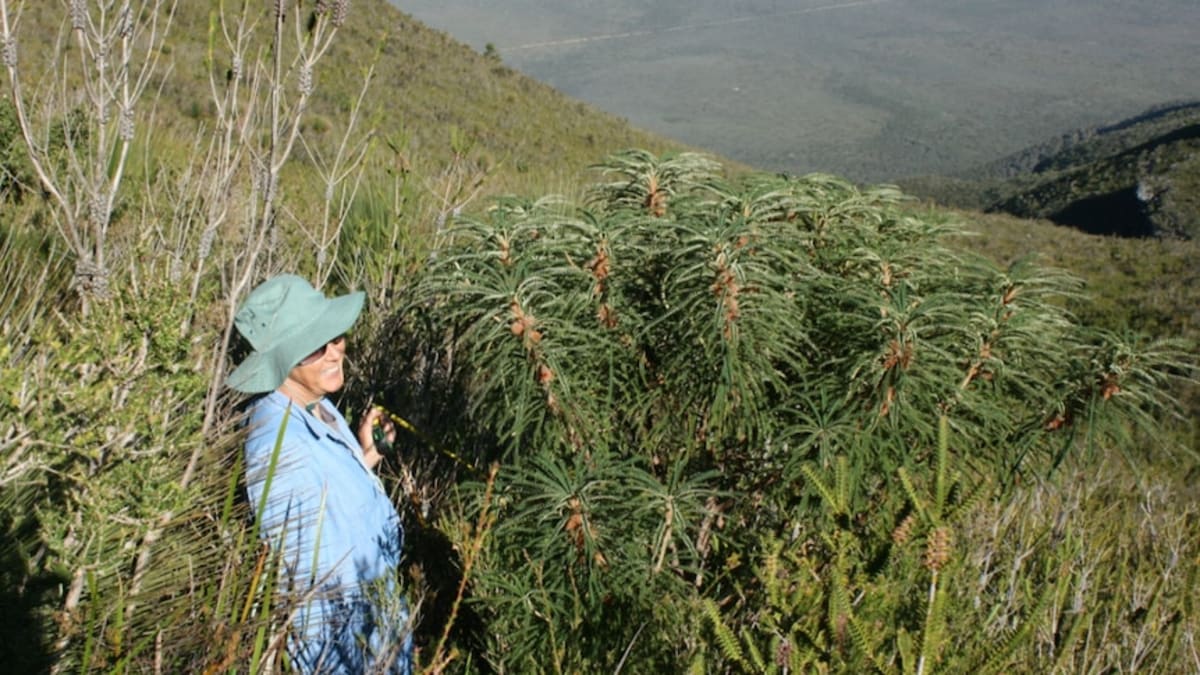
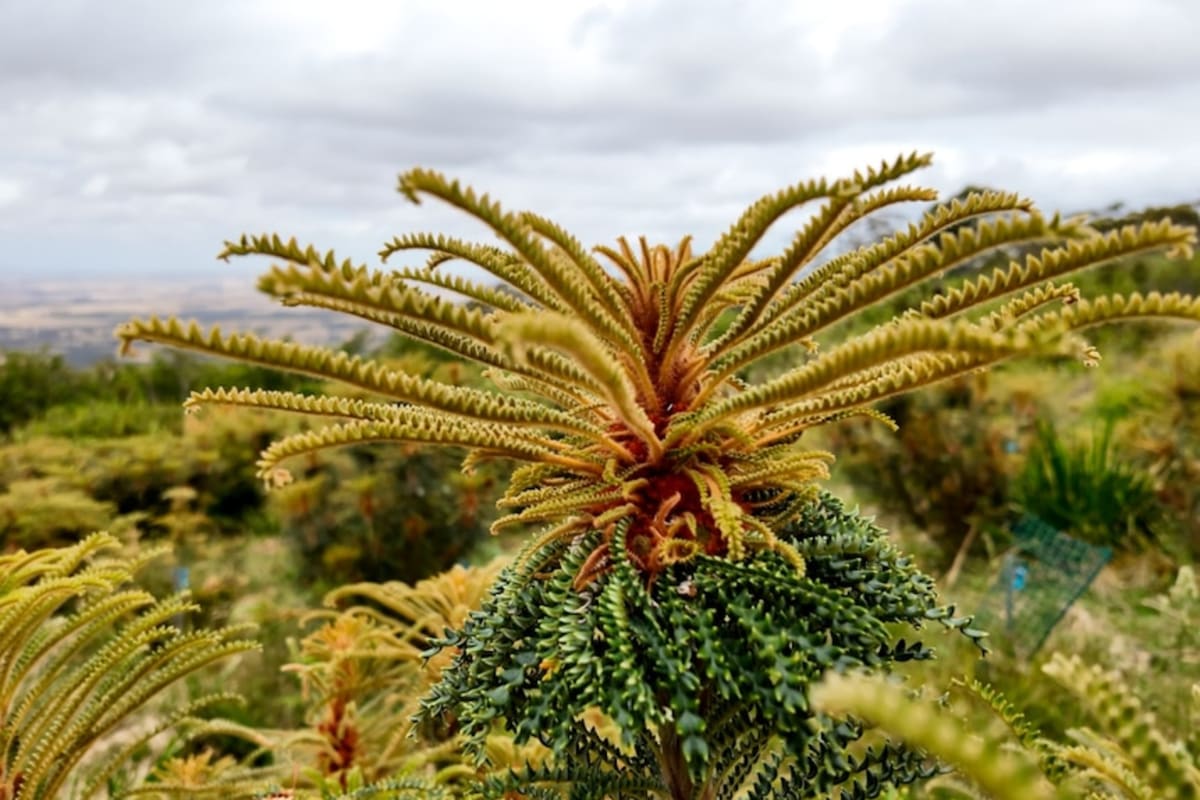
When bushfires tore through Western Australia's Stirling Range National Park in 2018 and 2019, they nearly erased plants found nowhere else on Earth. Among the casualties was banksia montana, one of the world's most endangered species, with only 37 mature plants left before every single one burned.
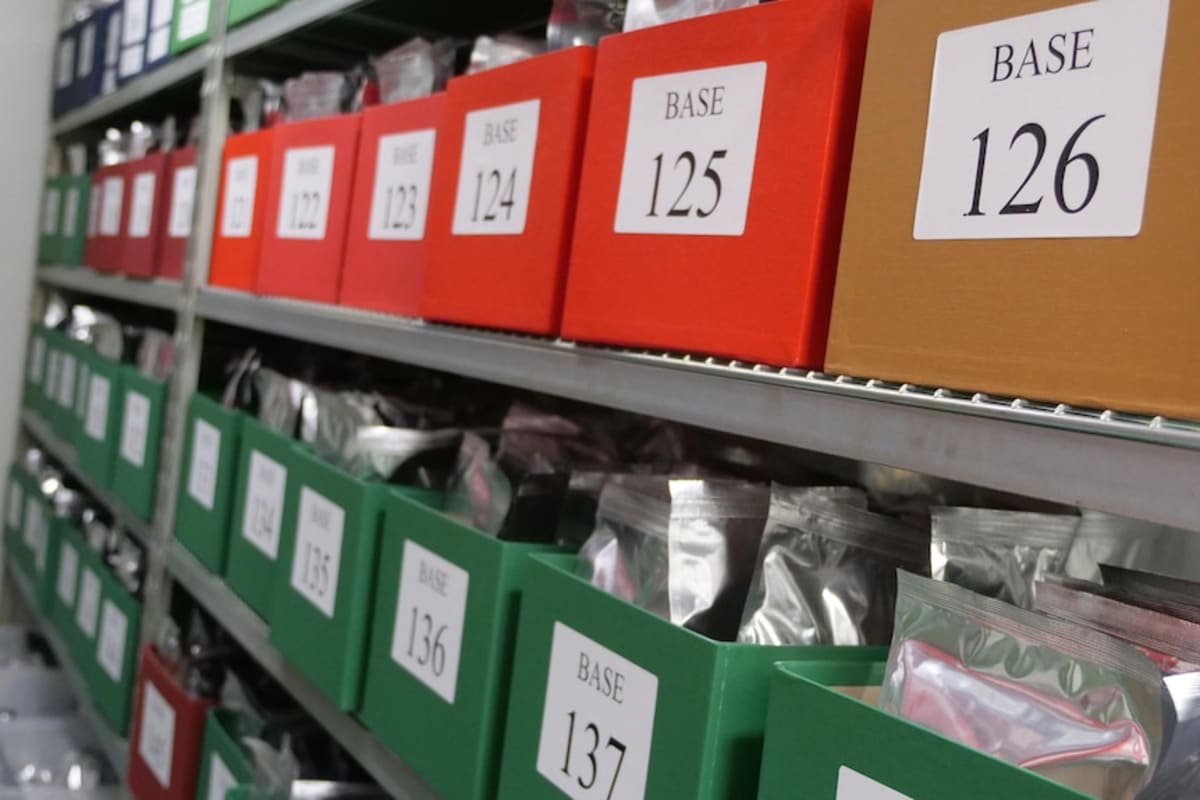
But scientists had a backup plan. For 20 years, conservationists had been collecting seeds from the park's 1,500 native plant species and storing them in a freezer vault at minus-20 degrees. When the fires hit, those frozen seeds became a lifeline for 26 threatened species, including 18 critically endangered ones.
Conservation officer Sarah Barrett and her team raced to save what they could. They spotted tiny seedlings sprouting from the ashes and fenced them off from hungry animals. They sprayed the fragile plants with phosphite to protect against disease. Off the mountain, they began the delicate work of growing new plants from the frozen seed collection.
The team established two seed production sites and carefully grew 1,000 plants from 14 species at each location. Researchers then used helicopters to carry the plants into remote mountain areas, transplanting them where their ancestors once thrived. Some of the original populations they'd collected seeds from years earlier no longer exist, making those frozen samples irreplaceable.
Why This Inspires
This recovery effort shows how preparation meets hope in conservation work. Andrew Crawford, the seed center's collections manager, explains that scientists handle each sample knowing it might be the key to a species' survival decades later. That foresight is paying off as plants return to mountains they nearly vanished from forever.
Research scientist Rebecca Dillon notes the plants are adapting, retreating to cooler, wetter slopes as the climate dries. The team continues caring for each plant, protecting them from fire, drought, and disease while waiting for them to mature and produce seeds.
The banksia montana story captures both the challenge and the triumph. Of the 1,000 seedlings planted, fewer than 300 young plants survive today, battling drought and disease. But some are already flowering and setting seed. Barrett says if 100 mature plants survive in a few years, the team will celebrate that win.
These mountains hold species found nowhere else in the world, and dedicated scientists are ensuring they get a second chance to bloom.
More Images

Based on reporting by ABC Australia
This story was written by BrightWire based on verified news reports.
Spread the positivity!
Share this good news with someone who needs it