Scientists Say Greening Mars Is Now Scientifically Possible
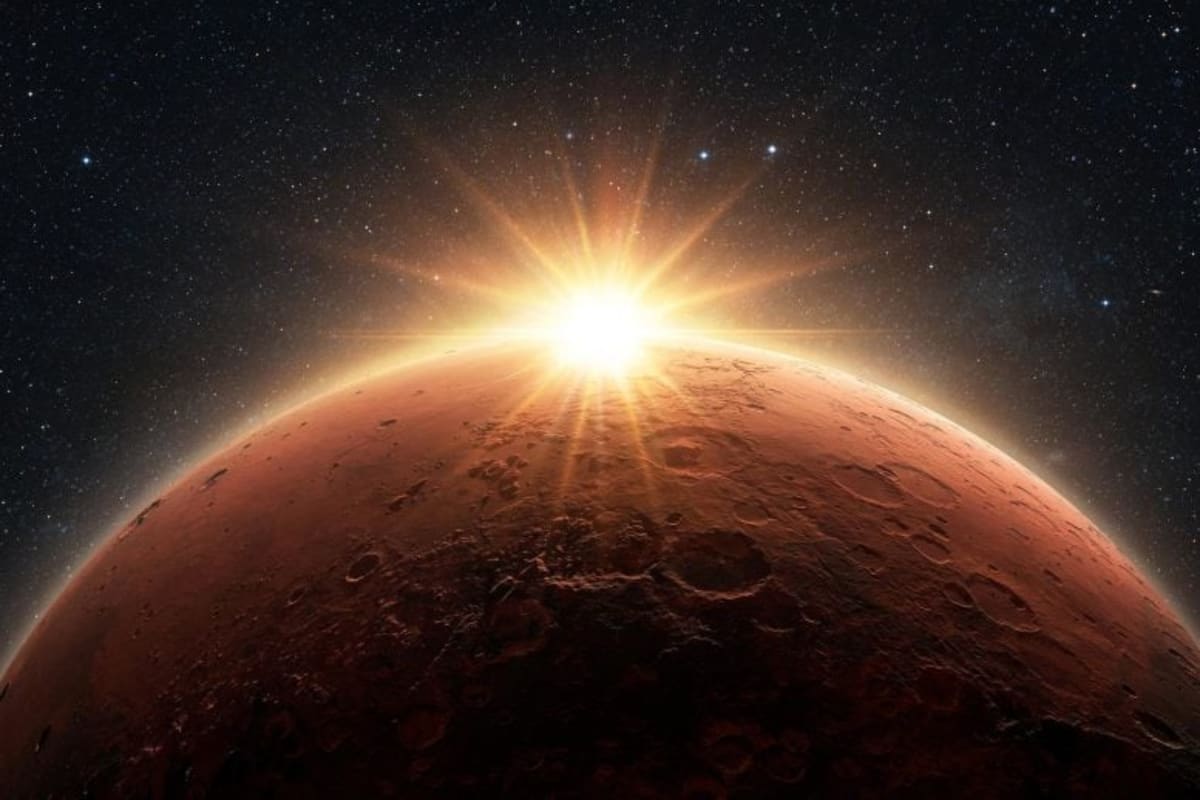
A groundbreaking 2025 study reveals that terraforming Mars has shifted from science fiction to active scientific debate, thanks to breakthroughs in synthetic biology and affordable space travel. Researchers propose a phased plan to warm the Red Planet and introduce engineered life within decades.
Making Mars habitable is no longer just a dream for distant generations. Scientists are now mapping out real, actionable steps to transform the Red Planet into a living world.
A new paper by researchers Erika DeBenedictis and Devon Stork, published in October 2025, outlines a detailed roadmap for Mars terraforming. The study marks a radical shift in how planetary scientists view the possibility of creating Earth-like ecosystems on another world.
"Thirty years ago, terraforming Mars wasn't just hard, it was impossible," said DeBenedictis, CEO of Pioneer Labs. "But new technology like SpaceX's Starship and synthetic biology have now made it a real possibility."
The transformation begins with warming. Researchers propose raising Mars' average temperature by several dozen degrees using artificial greenhouse gases or targeted heating methods. This could melt the planet's frozen water reserves, potentially enough for a global ocean, making liquid water stable on the surface within decades.
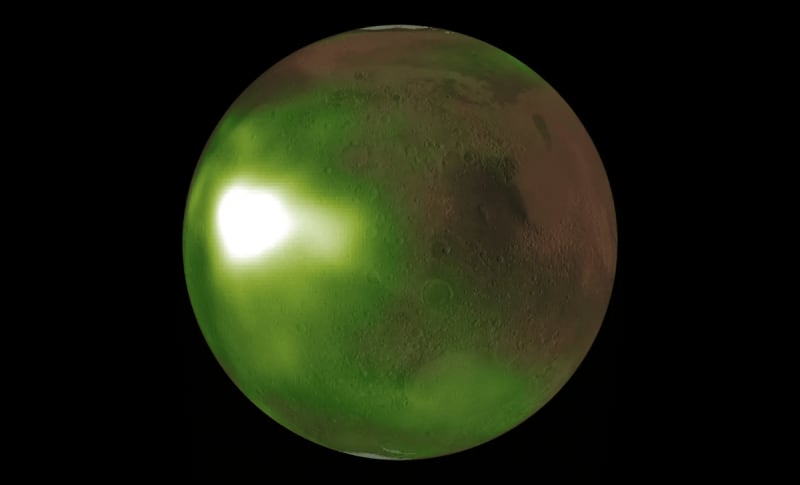
Once warmed, Mars could host genetically engineered microbes designed to survive extreme UV radiation, low pressure, and freezing temperatures. These extremophiles would begin the slow work of transforming the Martian atmosphere, creating the foundation for more complex life.
"Living planets are better than dead ones," said study co-author Edwin Kite, associate professor at the University of Chicago. "Mars was habitable in the past, so greening Mars could be viewed as the ultimate environmental restoration challenge."
The research team sees Mars as a testing ground for ecosystem engineering. Experiments conducted there could help solve Earth's ecological challenges, from developing closed-loop life systems to creating drought-resistant crops.
The Ripple Effect
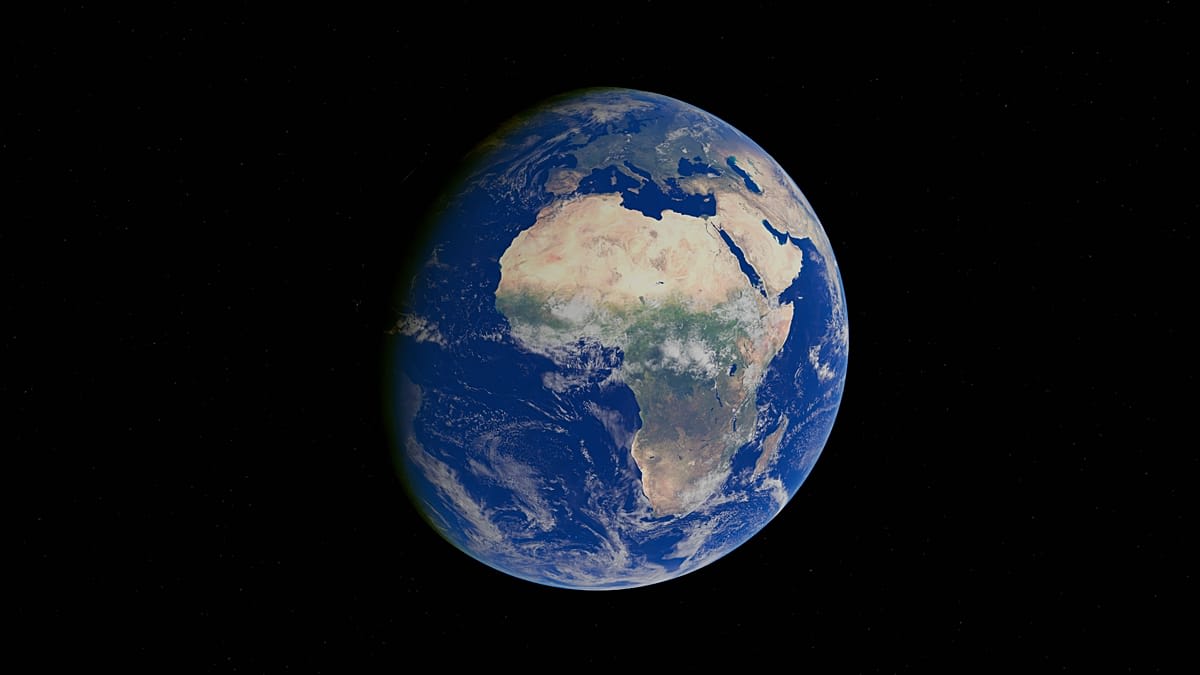
The implications reach far beyond Mars itself. Learning to terraform another planet could teach humanity how to better protect and manage Earth's delicate ecosystems. DeBenedictis suggests that experimenting on Mars might be safer than testing radical environmental solutions on our home planet.
"If we want to learn how to modify our environment here on Earth, maybe it would be better to experiment on Mars," she said. "I personally would like to be a little more conservative with our home planet."
Not everyone agrees the path forward is clear. Planetary scientist Nina Lanza from Los Alamos National Laboratory warns that terraforming could erase Mars' geological history and potentially destroy evidence of indigenous Martian life if it exists. The debate between preservation and transformation continues among scientists.
The study encourages moving beyond theoretical discussion toward targeted experiments during upcoming Mars missions. Small-scale tests could begin within the next decade as launch costs decrease and biotechnology advances.
What was once impossible now stands at the threshold of reality, inviting humanity to imagine itself as gardeners of worlds rather than simply explorers of them.
More Images


Based on reporting by Google News - Science
This story was written by BrightWire based on verified news reports.
Spread the positivity!
Share this good news with someone who needs it