Scientists Say Human Family Tree Is More Complex Than We Thought
New research reveals our evolutionary history wasn't a straight line from apes to humans. Scientists are rethinking how we classify our ancient relatives as discoveries show they were more sophisticated than we believed.
The classic image of human evolution showing a steady march from hunched ape to upright human might need a major update, and that's actually pretty exciting news.
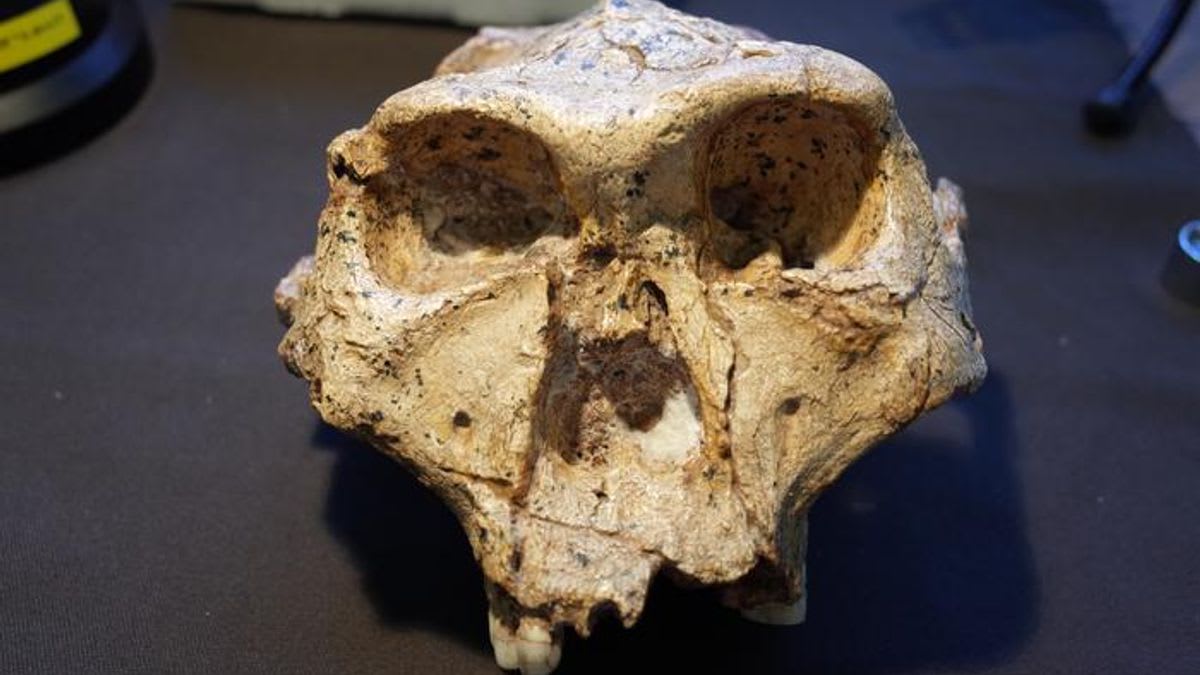
For over 150 years, scientists have been organizing our ancient relatives into neat categories like Australopithecus, Paranthropus, and Homo. But new fossil discoveries and genetic advances are painting a much richer, more fascinating picture of where we came from.
Ian Towle, a research fellow at Monash University, just published groundbreaking work showing these traditional groupings don't reflect what we now know about human evolution. The traits scientists once used to separate these groups into distinct branches are getting harder and harder to justify.
Here's what's changing our understanding. Species once thought to be simple cousins of humans, like Paranthropus, were actually sophisticated tool users who adapted to different environments. Some Australopithecus species appear more closely related to modern humans than to other members of their own supposed family group.
Even brain size, long considered a defining feature of the Homo genus, no longer holds up as a clear dividing line. Discoveries like Homo habilis and Homo naledi have shown that our direct ancestors had more variety than the old system could explain.
The Bright Side
This isn't about admitting we got it wrong. It's about celebrating how much we've learned and how willing science is to evolve with new evidence.
Towle proposes expanding the Homo genus to include groups previously kept separate, which would better reflect the complex, intertwined nature of our evolutionary story. Instead of a simple ladder climbing upward, our family tree looks more like a bushy shrub with branches growing in many directions.
The change would mean reclassifying fewer species as new discoveries emerge, making the system more stable and accurate. More importantly, it honors the reality that evolution isn't about steady improvement toward a goal but about adaptation, survival, and sometimes just luck.
Every new fossil we uncover adds another piece to the puzzle of who we are and where we came from. The fact that our family tree keeps getting bigger and more complicated means we're doing science right, constantly questioning and refining our understanding.
Our ancestors were more diverse, more capable, and more interconnected than anyone imagined a century ago, and that makes the human story all the richer.
More Images

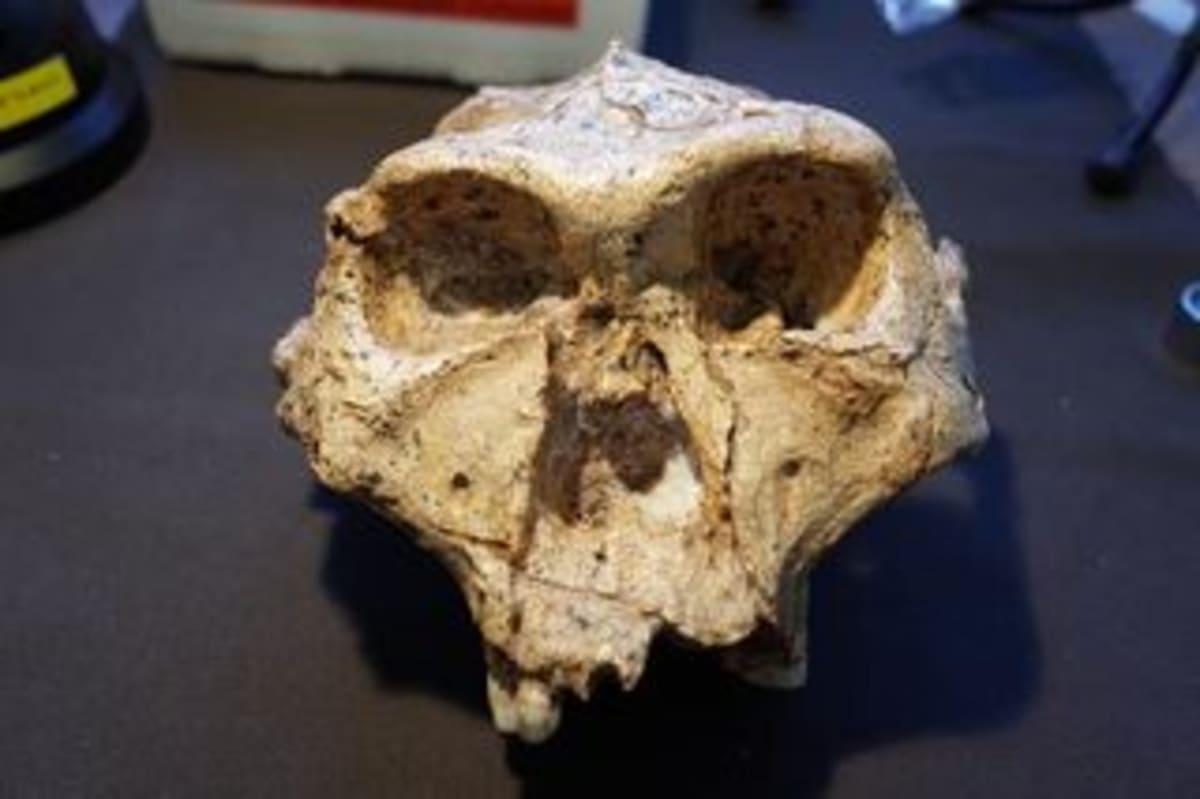
Based on reporting by Google: fossil discovery
This story was written by BrightWire based on verified news reports.
Spread the positivity!
Share this good news with someone who needs it