Scientists Say Small Stresses Build Resilience Like Vaccines
New research shows that exposing yourself to small, manageable stresses can train your brain to handle future challenges better, just like a vaccine prepares your immune system. The key is keeping the stress mild and supportive.
Your brain might need a workout just like your muscles do, and stress could be the perfect training partner.
Scientists are discovering that controlled exposure to mild stressors can actually strengthen our ability to handle future challenges. Researchers compare it to how vaccines work: a small, safe exposure trains your system to defend against bigger threats later.
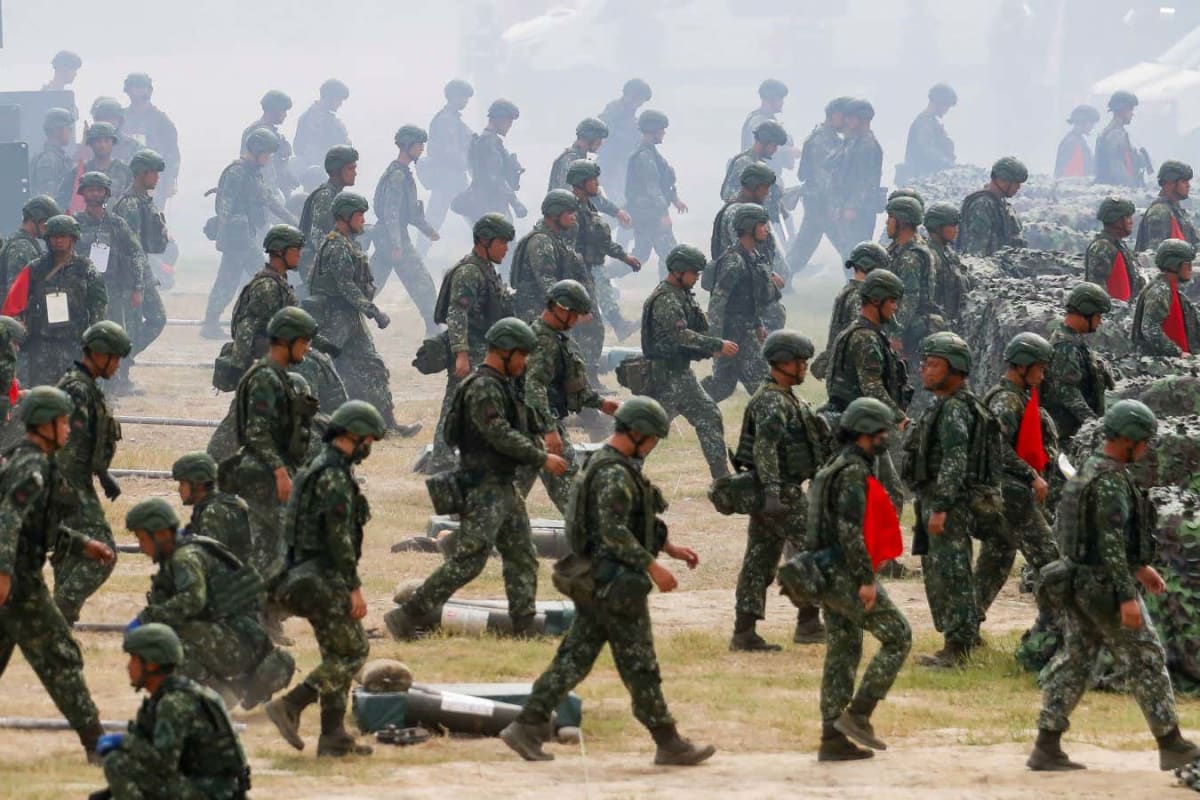
Military studies prove the concept works. Soldiers who went through resilience training and simulated stressful scenarios showed lower cortisol levels during intense exercises compared to those without training. Paramedics with similar preparation face lower risks of PTSD and depression.
The good news? You don't need boot camp to build this resilience.
Julie Vašků from Masaryk University in the Czech Republic explains that everyday manageable stresses do the trick. Going somewhere unfamiliar or talking to new people counts as beneficial stress exposure.
Brain scans reveal what happens during this training. Successfully navigating stressful situations remodels your prefrontal cortex, hippocampus, and amygdala. These changes help you handle future challenges more easily and recover faster.
The golden rule is keeping stress manageable, never overwhelming. Vašků describes ideal mild stressors as situations with bearable discomfort. Once stress becomes overwhelming, it traumatizes rather than strengthens.
Bringing support along helps too. Having a friend present during challenging situations provides the safety net that keeps stress in the beneficial zone.
Research suggests starting young might offer advantages. Studies in rodents and primates show that small bursts of mild separation from mothers produced more resilient adults, while constant separation increased stress responses.
Vašků points to Czech culture, where children perform classical music from age five. They start with their teacher onstage, then perform with friends, and eventually solo with support nearby. By adolescence, they perform alone but recover quickly from performance stress thanks to years of controlled exposure.
The Bright Side
Beyond exposure, other techniques build resilience effectively. Breathing exercises, mindfulness practices, reframing your mindset about stressful situations, and reviewing your strengths all help transform harmful stress into beneficial challenges.
Some researchers are exploring actual stress vaccines using heat-killed bacteria that calm stress responses in rodents. Others study drugs that might enhance resilience in people at high risk for PTSD.
For now, the simplest solution remains embracing appropriate stress rather than avoiding all discomfort. Vašků emphasizes that stress exists for a reason: we need to react to it, then recover quickly. Building resilience through small, manageable challenges gives us exactly that superpower.
More Images
Based on reporting by New Scientist
This story was written by BrightWire based on verified news reports.
Spread the positivity!
Share this good news with someone who needs it