Scientists Sequence 1,000 Measles Genomes in US First
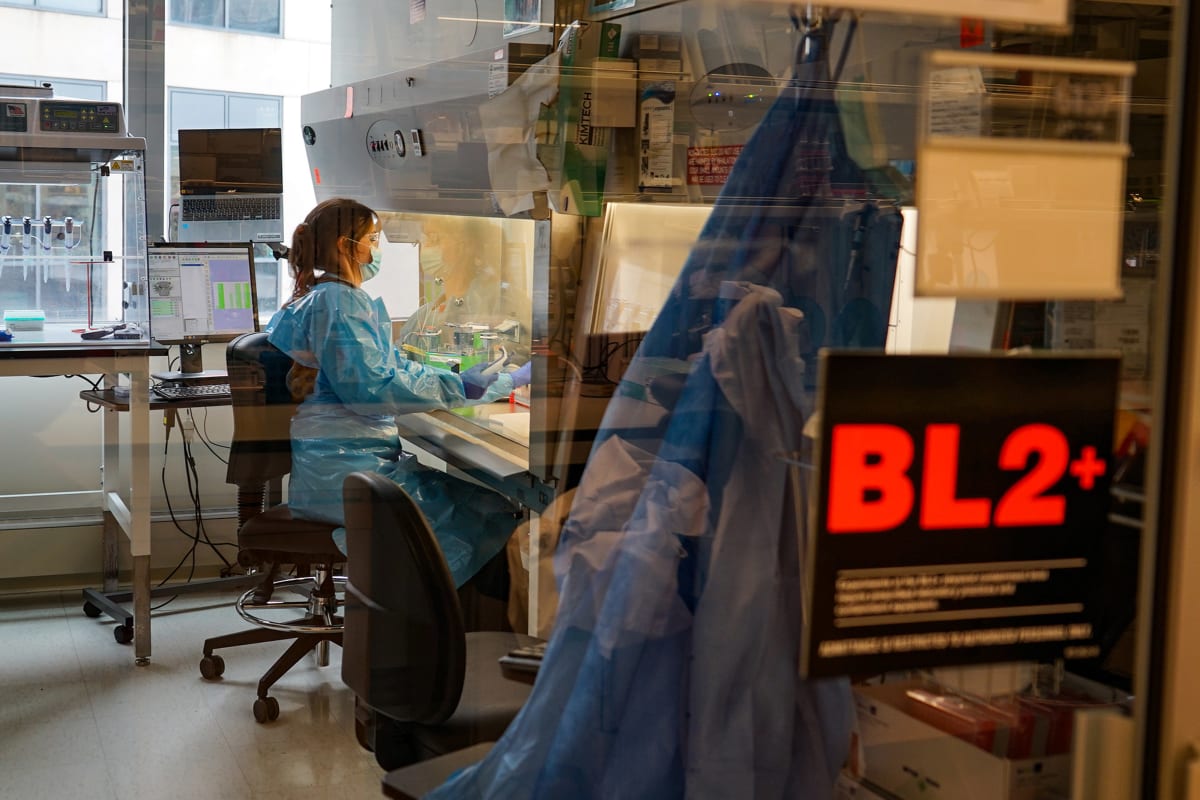
American researchers have completed the first-ever large-scale genetic sequencing of measles in the US, analyzing over 1,000 virus samples to help protect communities. The groundbreaking work by CDC scientists and the Broad Institute represents a new frontier in disease tracking that could strengthen public health response.
Scientists have achieved a first for American public health: sequencing the complete genetic code of over 1,000 measles virus samples collected across the United States.
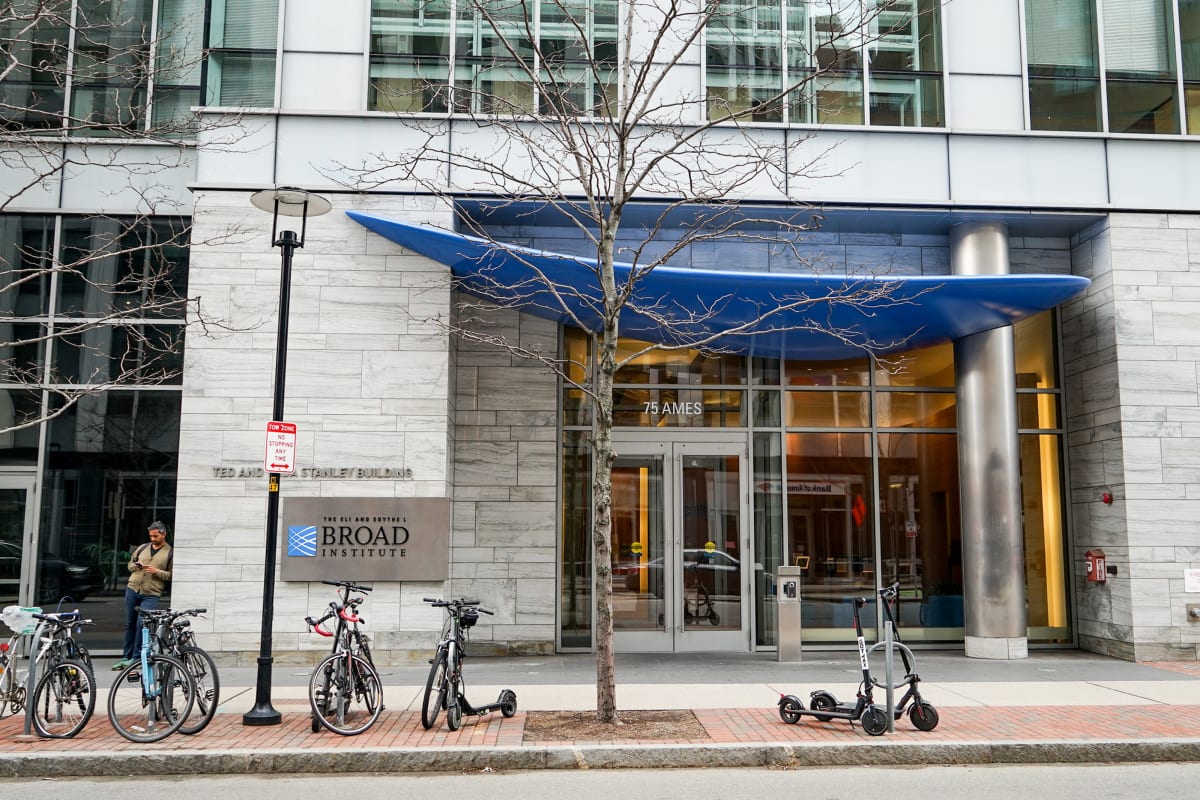
The Centers for Disease Control and Prevention partnered with the Broad Institute in Massachusetts to unlock unprecedented details about how measles moves through communities. This marks the first time the US has applied sophisticated whole-genome sequencing to measles on this scale.
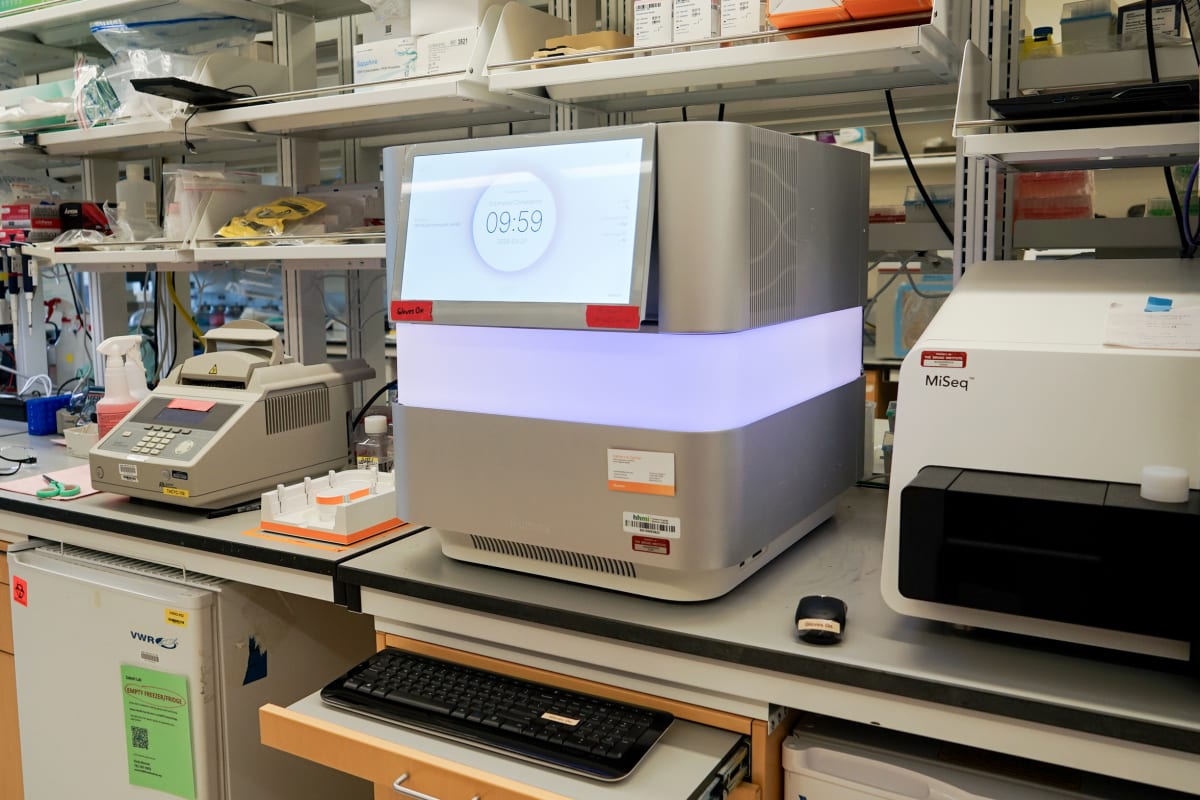
The technology works like a disease detective story written in genetic code. Every time measles passes from person to person, the virus acquires small mutations. By mapping these changes, scientists can trace exactly how outbreaks spread and whether cases are connected.
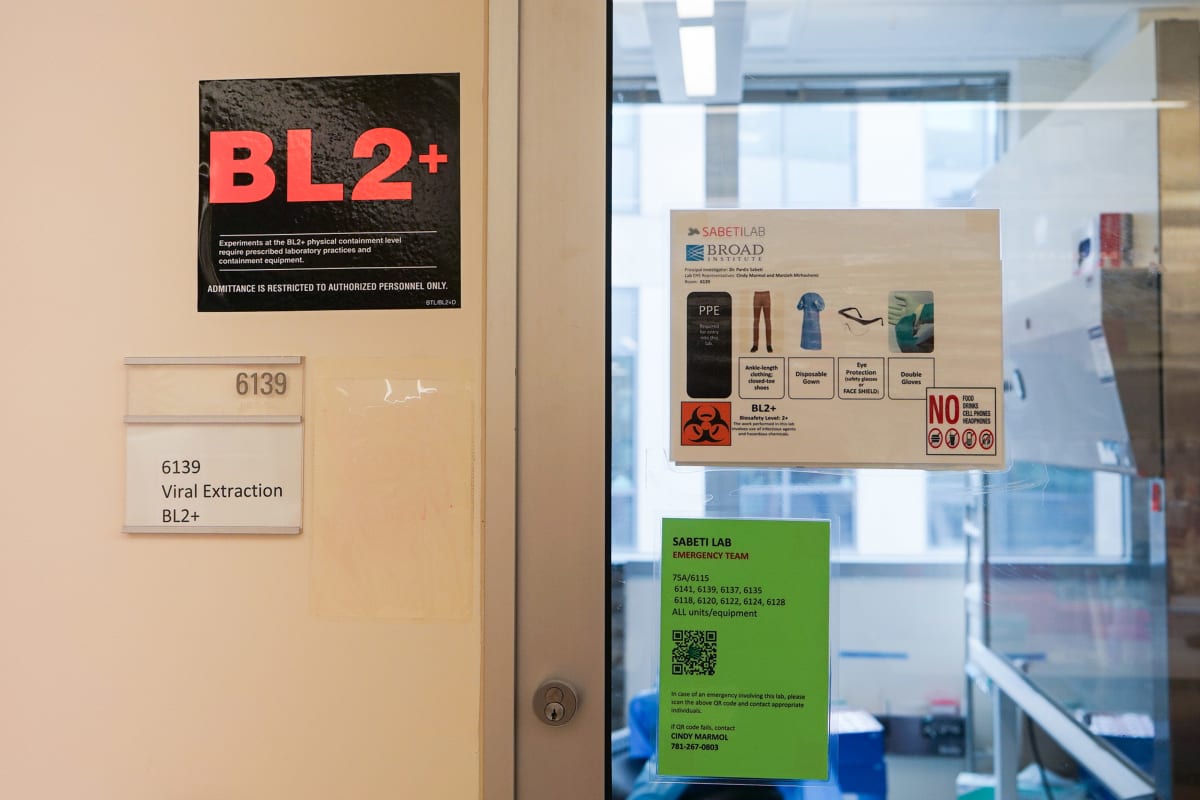
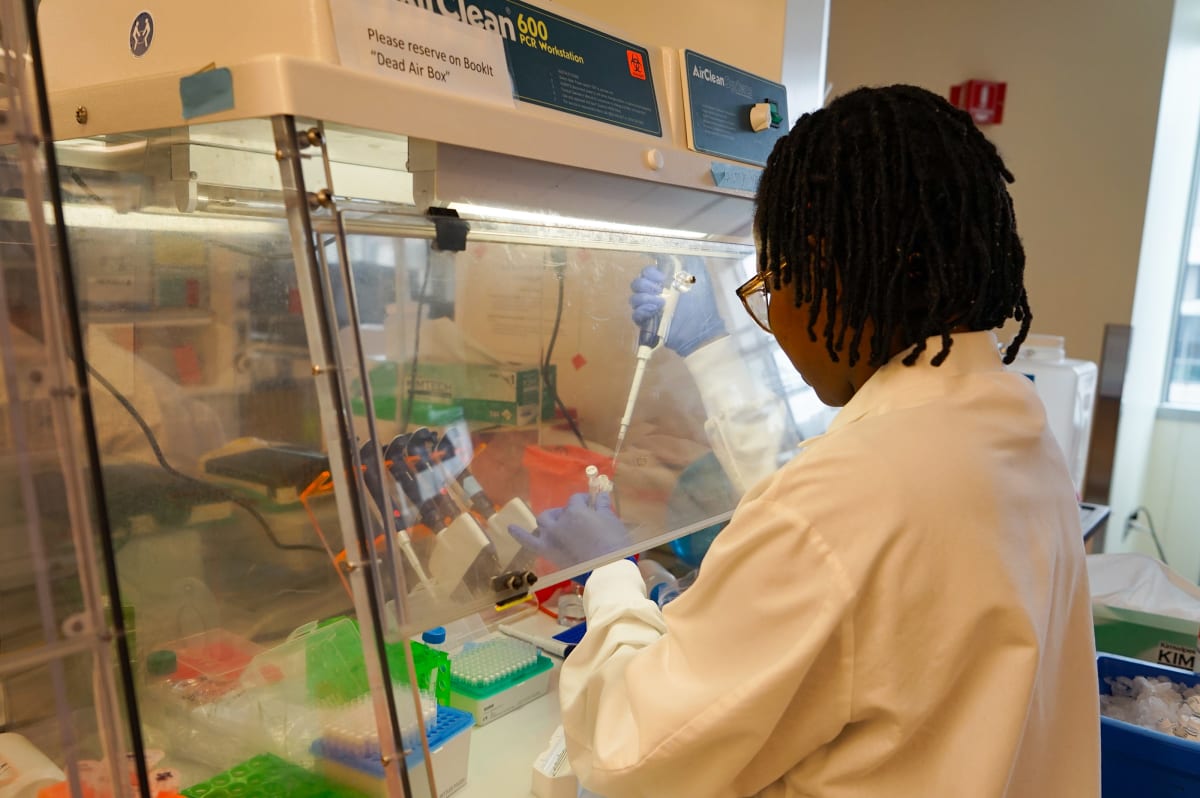
"There is enough signal in this data to tease apart questions at hand," said Bronwyn MacInnis, director of pathogen surveillance at the Broad Institute. Her team worked overtime to sequence samples from 2025 and 2026, delivering the data on a rolling basis since December.
The Broad Institute has become a global leader in helping public health agencies track diseases including COVID, Ebola, and now measles. The measles virus mutates roughly every two to four transmissions between people, creating a clear genetic trail.
The Bright Side
This scientific achievement demonstrates how advanced genomic tools can protect communities in real time. The same techniques that helped track COVID are now being applied to prevent other infectious diseases from gaining ground.
The CDC has made the first batches of genome data publicly available, allowing researchers worldwide to analyze patterns. Scientists expect analyses showing outbreak connections to emerge in coming weeks.
Beyond the immediate measles response, this effort establishes infrastructure for tracking other vaccine-preventable diseases. The partnership between CDC scientists and leading research institutions like the Broad shows how collaboration can accelerate public health innovation.
The work also highlights an important truth: we have the scientific tools and the safe, effective vaccines to prevent measles entirely.
Public health experts emphasize that while genomic surveillance is valuable, the real solution remains simple: the measles-mumps-rubella vaccine prevents most infections and stops outbreaks before they grow. Two doses provide strong protection for most people.
As researchers continue analyzing the genetic data, their work will help health departments respond faster and more precisely to protect communities from preventable disease.
More Images
Based on reporting by Google News - Health
This story was written by BrightWire based on verified news reports.
Spread the positivity!
Share this good news with someone who needs it