
Scientists Sequence 14,400-Year-Old Woolly Rhino DNA From Meal
Researchers extracted a complete woolly rhino genome from meat found in an Ice Age wolf puppy's stomach, revealing the extinct giants were thriving just 400 years before disappearing forever. This scientific first opens new doors for understanding how ancient species vanished.
A wolf puppy's last meal is rewriting what we know about one of the Ice Age's most magnificent creatures.
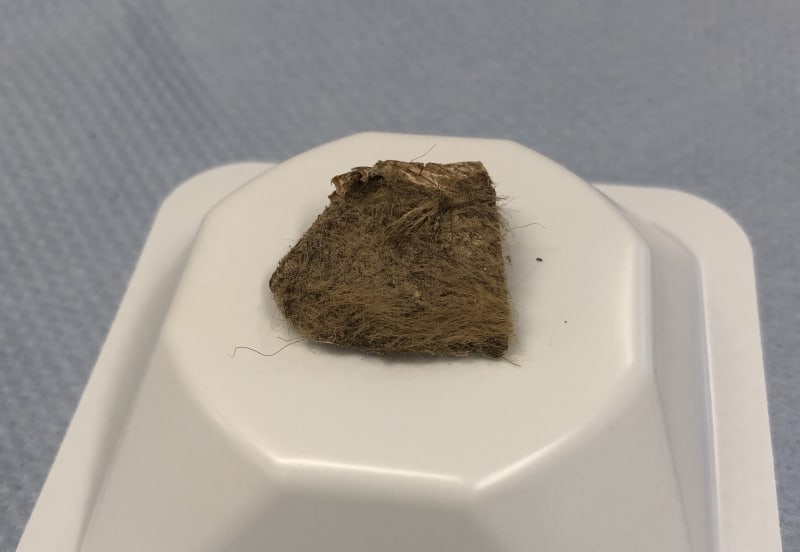
When scientists dissected a 14,400-year-old wolf puppy preserved in Siberian permafrost, they discovered something remarkable in its stomach: a chunk of woolly rhinoceros meat. The team successfully sequenced the complete genome from that ancient meal, marking the first time anyone has extracted a full genome from one animal found inside another.
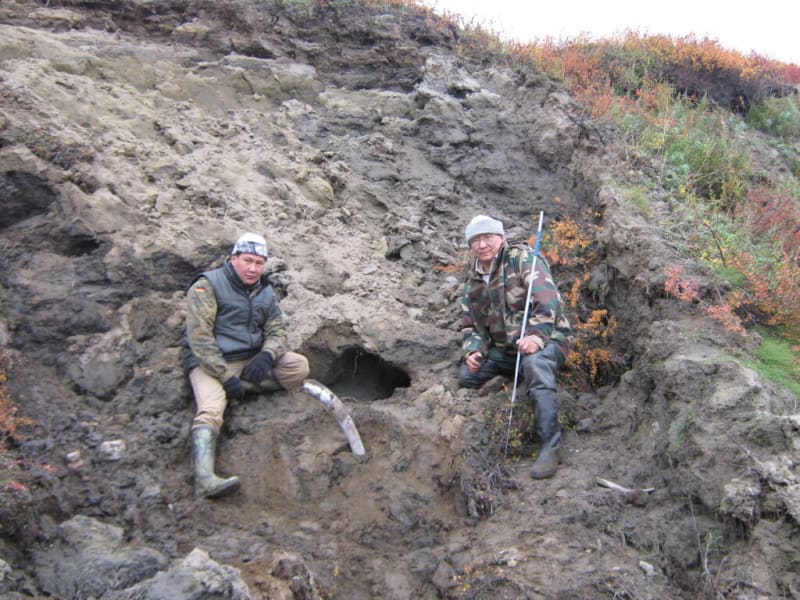
The discovery happened thanks to two wolf puppies found eroding from the permafrost near Tumat village in Siberia between 2011 and 2015. When researchers brought one puppy to the lab in 2022, they found pieces of her final dinner still intact after more than 14,000 years.
Extracting usable DNA presented huge challenges. After sitting frozen for millennia, DNA molecules had broken into tiny fragments. The team also had to painstakingly separate rhino DNA from wolf DNA, a task requiring cutting-edge technology and patience.
The results surprised everyone. The woolly rhino's genome showed signs of a healthy, genetically diverse population with no evidence of inbreeding. Scientists look for long strings of identical genes as warning signs that a species is struggling, but this rhino showed none of those red flags.
This came as a shock because woolly rhinos vanished from Earth just 400 years later. Their range had been shrinking eastward since 35,000 years ago, and by the time this particular rhino became wolf food, the species was making its last stand in northeastern Siberia.
A second genome from a 49,000-year-old woolly rhino revealed even more. The species had experienced a major population crash between 114,000 and 63,000 years ago, dropping from about 15,600 breeding individuals to 1,600. But then the population stabilized, maintaining numbers well above the 1,000-individual threshold scientists consider healthy for avoiding genetic problems.
Why This Inspires
This breakthrough does more than solve an Ice Age mystery. It shows that extinction can strike suddenly, even when a species appears healthy and stable. The woolly rhinos weren't slowly declining into genetic problems. Something else wiped them out quickly.
The research also demonstrates how new technology and creative thinking can unlock secrets hidden for thousands of years. By combining ancient DNA techniques with unexpected sources like stomach contents, scientists can now study extinct animals in ways previously impossible.
Understanding how past species disappeared helps us protect today's endangered animals. The woolly rhino's story teaches us that even seemingly stable populations need our attention because dramatic change can happen fast.
A wolf puppy's unlucky dinner became science's lucky break, offering hope that more frozen discoveries await in the permafrost.
More Images


Based on reporting by Ars Technica Science
This story was written by BrightWire based on verified news reports.
Spread the positivity! 🌟
Share this good news with someone who needs it

