Scientists Shrink AI Vision Model by 99.98% With Brain Data
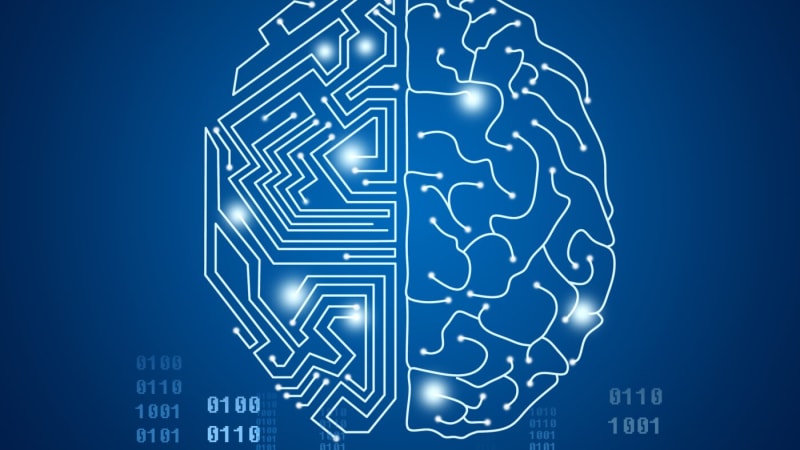
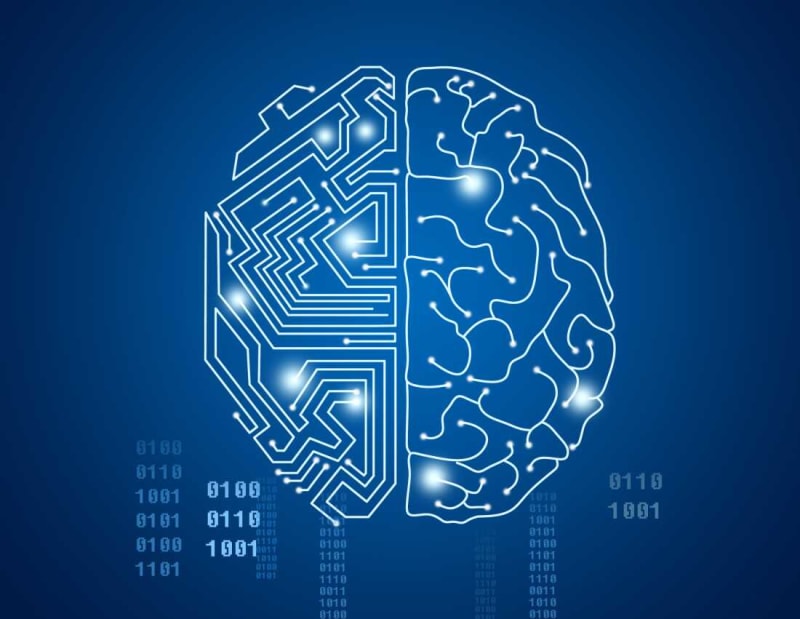
Researchers created a pocket-sized AI model that works like a living brain, using just 10,000 variables instead of 60 million. The breakthrough could lead to smarter, more efficient technology while helping scientists unlock mysteries of human vision.
Scientists just figured out how to squeeze a massive AI system into something small enough to email, and the secret came from studying monkey brains.
A team led by Ben Cowley at Cold Spring Harbor Laboratory compressed an artificial intelligence vision model from 60 million variables down to just 10,000. That's a 99.98% reduction in size, yet the tiny version performs nearly as well as the original.
"This is something we could send in a tweet or an email," Cowley says. Even better, the compact model works more like an actual living brain, which uses less power than a light bulb while AI systems guzzle electricity.
The researchers focused on V4 neurons, special brain cells that help us recognize colors, textures, and curves. They trained their AI model using data from macaque monkeys, then trimmed away redundant parts and applied techniques similar to those that compress digital photos.
The streamlined model revealed fascinating secrets about how vision actually works. Some artificial V4 neurons lit up for round, curvy shapes like apples and oranges. "Your V4 neurons love that," Cowley explains. "They love arranged fruit."
Other neurons responded only to tiny dots, which might explain why primates pay special attention to eyes. These specialized cells help explain how our brains make sense of what we see without needing supercomputer power.
The Ripple Effect
This breakthrough could transform everyday technology. Self-driving cars might run on less powerful computers while better distinguishing pedestrians from plastic bags blowing in the wind. Smartphones could handle complex visual tasks without draining batteries.
The research also opens new paths for understanding brain diseases. Because the model mimics how living brains actually work, scientists could use it to study what goes wrong in conditions like Alzheimer's.
Mitya Chklovskii from the Simons Foundation's Flatiron Institute, who wasn't involved in the study, sees even bigger possibilities. If AI models truly replicate nature's strategies, they could help unlock the inner workings of human consciousness itself.
Current AI systems still struggle with tasks humans find easy, like recognizing a friend's face after they get a suntan or new haircut. Chklovskii believes the solution lies in updating AI foundations with modern brain science discoveries from the 21st century.
The study, published in Nature, proves that sometimes the path to more powerful technology means making things smaller and simpler, not bigger and more complex.
More Images


Based on reporting by NPR Science
This story was written by BrightWire based on verified news reports.
Spread the positivity!
Share this good news with someone who needs it