Scientists Silence Extra Chromosome in Down Syndrome Cells
Researchers at Harvard Medical School have developed a breakthrough gene-editing method that successfully silences the extra chromosome causing Down syndrome in up to 40% of lab cells. While still early stage, this proof-of-concept study opens the door to the first genuine treatment for one of the most common genetic conditions.
Scientists just cleared a major hurdle toward treating Down syndrome, a genetic condition that affects one in every 700 births in the U.S.
Researchers at Beth Israel Deaconess Medical Center and Harvard Medical School developed a modified version of CRISPR gene-editing technology that can silence the extra chromosome responsible for Down syndrome. In laboratory experiments, they successfully integrated the treatment into 20% to 40% of cells with the condition.
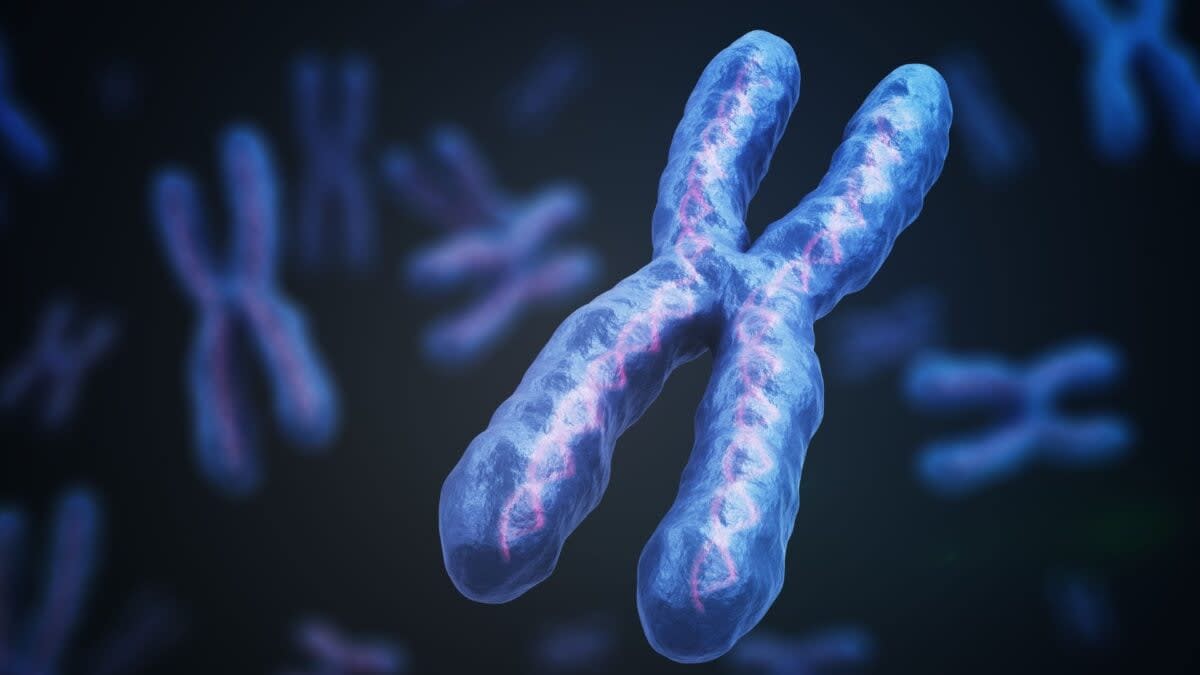
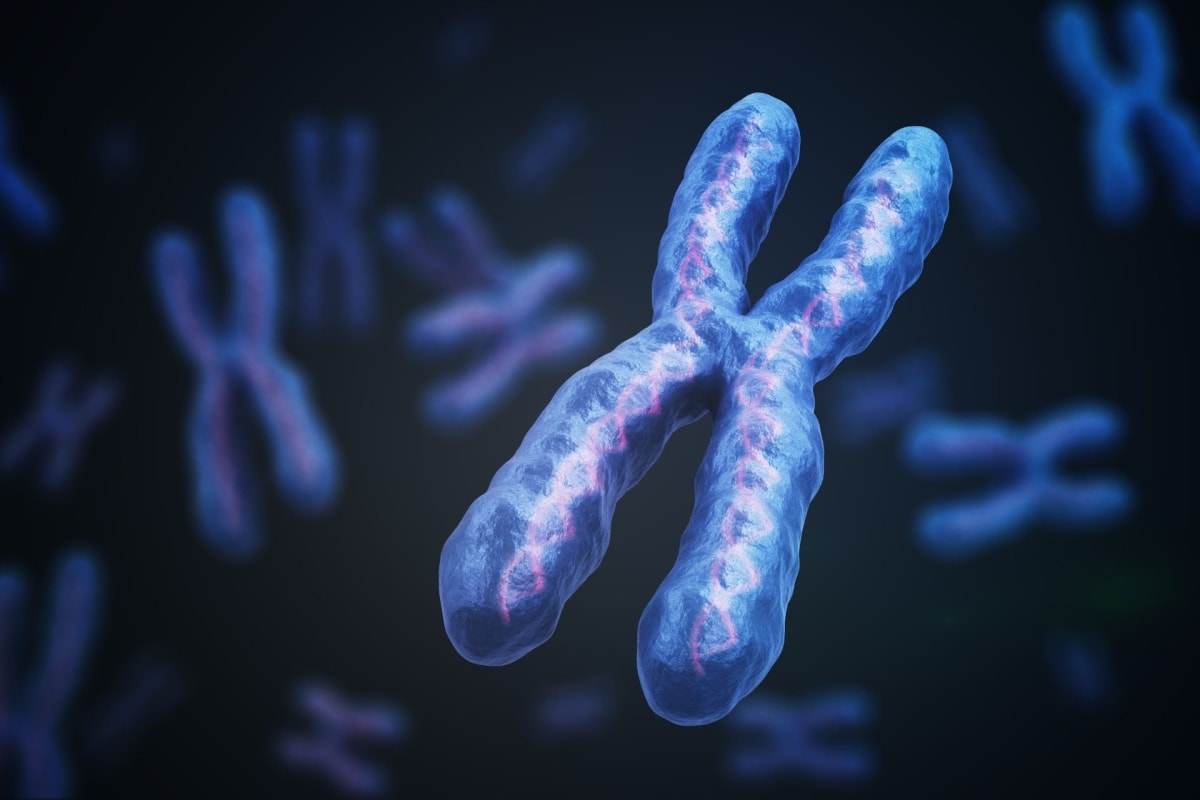
Down syndrome occurs when a person is born with three copies of chromosome 21 instead of two. There is currently no cure, and people with the condition face developmental delays, intellectual disabilities, and higher risks of health problems including Alzheimer's disease. The average lifespan remains around 60 years, even with medical management.
The research team, led by senior author Volney Sheen, took inspiration from a natural process already happening in our bodies. Women naturally silence one of their two X chromosomes through a molecule called XIST. The researchers wondered if they could use XIST to turn off the extra copy of chromosome 21.
Previous attempts at this approach only worked in a tiny fraction of cells. Standard CRISPR technology excels at cutting DNA but struggles to insert new genetic material. The Harvard team's modified version overcomes both challenges, dramatically boosting the success rate.
The experiments showed the treatment affected only one copy of chromosome 21, which matters for preventing unwanted side effects. The silencing also partially reduced the cells' expression of the extra chromosome.
Why This Inspires
This breakthrough transforms Down syndrome from an unchangeable condition into one that might be treatable. Even partial silencing of the extra chromosome could prevent the most severe effects of the disorder.
The research arrives at an exciting moment. Other recent studies suggest that a smaller section of XIST might work just as well, making it easier to deliver the therapy to brain cells where it matters most.
The team is already moving forward with mouse studies to determine the best delivery method and timing. They'll also test whether the treatment can actually prevent Down syndrome symptoms in living animals.
What they learn will determine when human clinical trials can begin. This work could eventually help not just people with Down syndrome but those with other chromosomal conditions too, turning genetic disorders that have existed throughout human history into treatable illnesses.
More Images



Based on reporting by Google News - Scientists Discover
This story was written by BrightWire based on verified news reports.
Spread the positivity!
Share this good news with someone who needs it