Scientists Solve 320-Million-Year Reptile Armor Mystery
Advanced scanning technology just cracked a puzzle that stumped paleontologists for generations: how ancient reptiles evolved their protective bone armor. The answer reveals evolution works in surprising and flexible ways.
📺 Watch the full story above
Scientists just solved a 320-million-year mystery about how reptiles first developed natural body armor, and the answer changes how we understand evolution itself.
Researchers used cutting-edge CT scanning to examine nearly 2,000 reptile specimens from museum collections worldwide. The scans revealed something unexpected: protective bone plates called osteoderms didn't evolve just once from a shared ancestor. Instead, different reptile groups independently developed this armor when they faced similar threats.
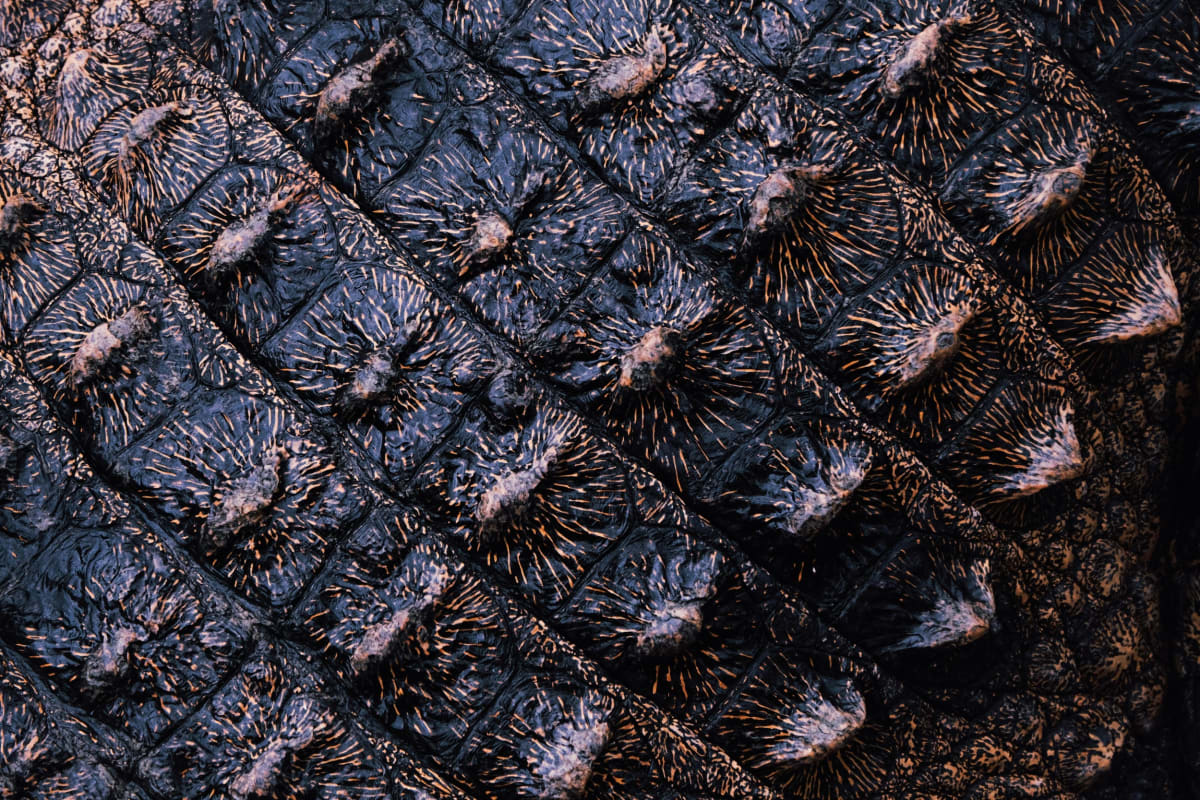
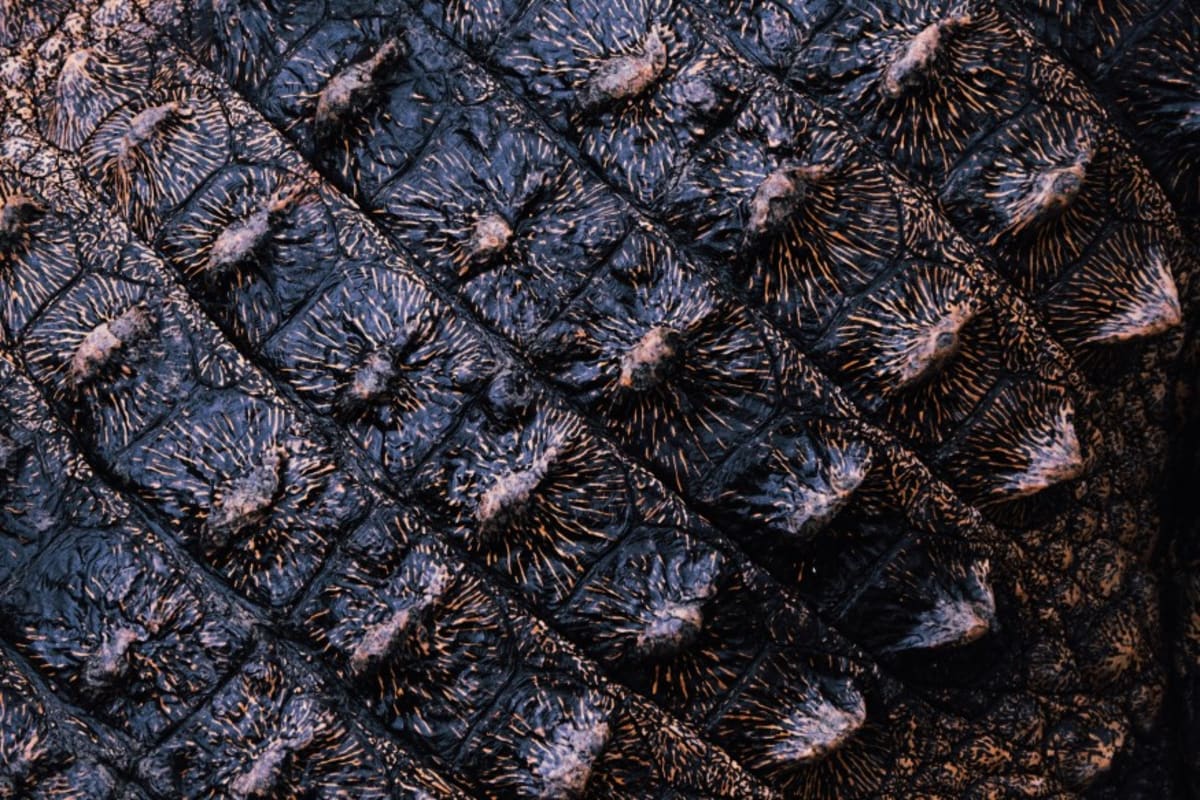
These bony structures form inside the skin and act like natural shields. Modern crocodiles, alligators, and some lizards still carry them today. For decades, paleontologists couldn't determine whether this armor appeared once in evolutionary history or multiple times across unrelated species.
The breakthrough came from technology that can peek inside fossils without damaging them. Ancient specimens are often crushed, incomplete, or buried in dense rock. Traditional methods couldn't reveal the tiny structures hidden inside these delicate fossils.
Digital reconstruction showed patterns that shocked researchers. Some reptile groups evolved armor separately. Others lost their protective plates over millions of years. Most surprising of all, certain species like monitor lizards appear to have regained armor long after their ancestors lost it.
That last discovery challenges a major evolutionary principle suggesting complex traits rarely reappear once they vanish. The findings show evolution may be more flexible than scientists previously believed.
Ancient reptiles needed this protection desperately. During the Carboniferous and Permian periods, they faced giant predatory amphibians, carnivorous synapsids, and dramatic climate swings. Bone armor provided defense against attacks, helped reduce water loss in dry environments, and may have assisted with temperature regulation.
The repeated appearance of osteoderms in unrelated groups proves these survival benefits worked incredibly well. When different species encountered similar environmental pressures, evolution found the same solution independently.
Why This Inspires
This discovery shows how modern technology breathes new life into century-old museum collections. Fossils gathered generations ago are suddenly revealing secrets thanks to advanced scanning and computer modeling. Researchers believe many more prehistoric puzzles will soon be solved using these same techniques.
The research also reminds us that nature finds creative solutions to survival challenges. Evolution doesn't follow rigid rules or simple pathways. Instead, it adapts flexibly across millions of years, sometimes rediscovering successful strategies when conditions demand them.
Museum specimens sitting quietly for decades are now producing breakthrough discoveries that reshape our understanding of life on Earth.
More Images


Based on reporting by Google: fossil discovery
This story was written by BrightWire based on verified news reports.
Spread the positivity!
Share this good news with someone who needs it