Scientists Solve How Dinosaurs Grew 50-Foot Necks
University of Liverpool researchers used 3D models to discover how sauropod dinosaurs evolved from small, two-legged creatures into the largest land animals ever, revealing a 200-million-year transformation driven by increasingly longer necks. The findings explain why these gentle giants survived longer than any other dinosaur group.
Scientists just figured out how dinosaurs grew necks so massive they had to completely change the way they walked.
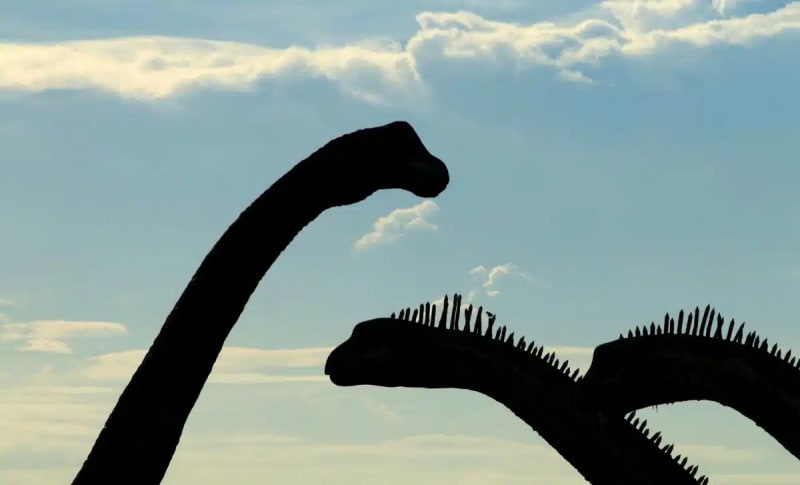
Researchers at the University of Liverpool traced the evolution of sauropods from small, tail-heavy creatures walking on two legs to giant, four-legged animals with necks stretching up to 50 feet long. The study, published in Royal Society Open Science, reveals a gradual shift that changed everything about how these animals moved and balanced.
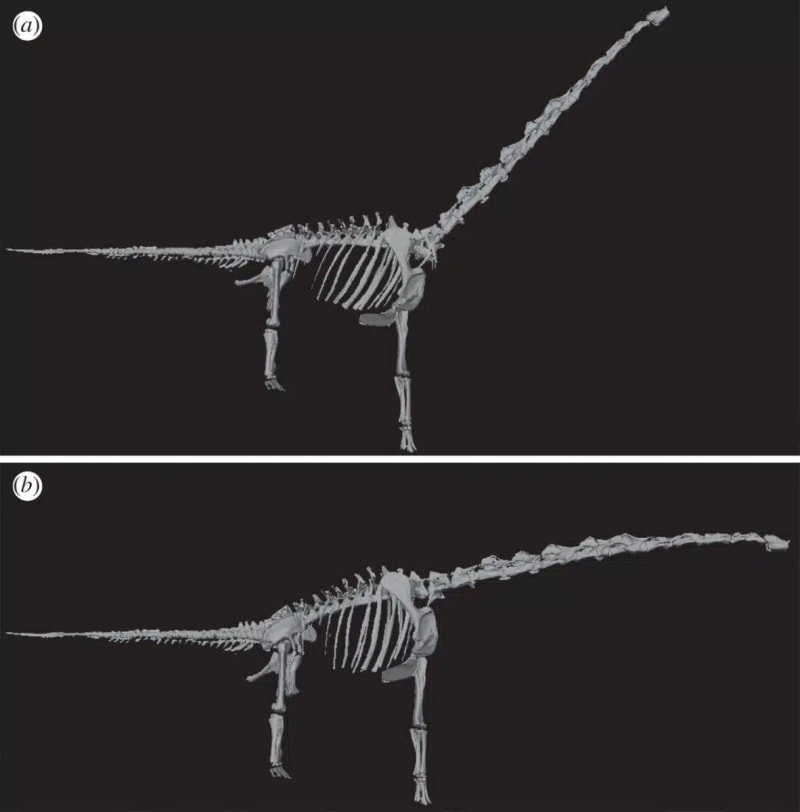
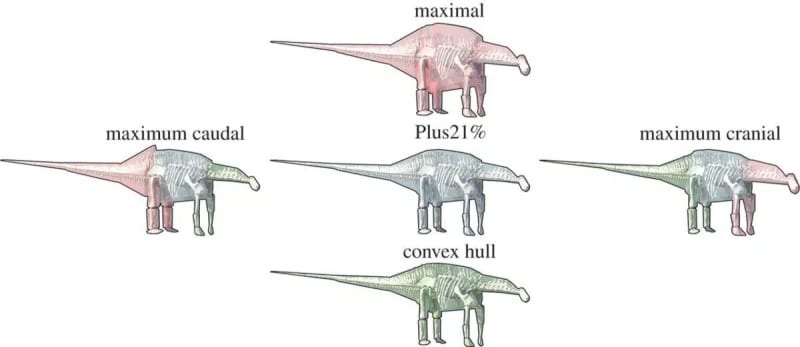
Dr. Karl Bates and his team built 3D computer models of different sauropod species across millions of years. What they found was a clear pattern: as necks grew longer, the animals' center of gravity shifted forward, forcing them onto four legs for support.
Early sauropod ancestors were built like small bipedal dinosaurs with tiny chests, short arms, and long tails that helped them balance on two feet. Their weight centered near their hips, perfect for walking upright.
But something remarkable happened over time. These dinosaurs developed bigger chests and longer front legs, and most importantly, their necks grew at a faster rate than the rest of their bodies.
This weight shift moved gradually from the tail toward the front, creating dinosaurs like Diplodocus that needed all four pillar-like legs to support their massive frames. By the Cretaceous period, a new group called titanosaurs took this trend to the extreme.
Titanosaurs included Argentinosaurus and Dreadnoughtus, some of the largest land animals Earth has ever seen. These giants didn't just grow bigger—they became even more front-heavy than their ancestors, with necks reaching lengths that seem almost impossible.
"We were able to ascertain that the relative size of sauropods' necks increased gradually over time, leading to animals that were increasingly more front-heavy," Dr. Bates explained. The team tested their models with different body types, from slim to heavily built, and the pattern held true every time.
Why This Inspires
Dr. Philip Mannion from Imperial College London points out that these body innovations might explain why titanosaurs were the only sauropod group to survive until the very end, outlasting all other dinosaur types until the mass extinction 66 million years ago. While other dinosaurs came and went, these neck-forward giants adapted and thrived for over 140 million years.
The research also showcases how scientists work with incomplete information. Since soft tissue rarely fossilizes, the team created multiple versions of each model to account for uncertainty, yet the evolutionary story remained consistent across all variations.
Understanding how the largest animals ever to walk on land managed to support their own weight opens new questions about the limits of biology and what's possible in nature.
More Images

Based on reporting by Google News - Science
This story was written by BrightWire based on verified news reports.
Spread the positivity!
Share this good news with someone who needs it