Scientists Solve Lightning's Zigzag Mystery After Decades
After centuries of wonder, researchers finally understand why lightning moves in dramatic zigzag steps toward Earth. This breakthrough could save lives and better protect buildings and aircraft from strikes.
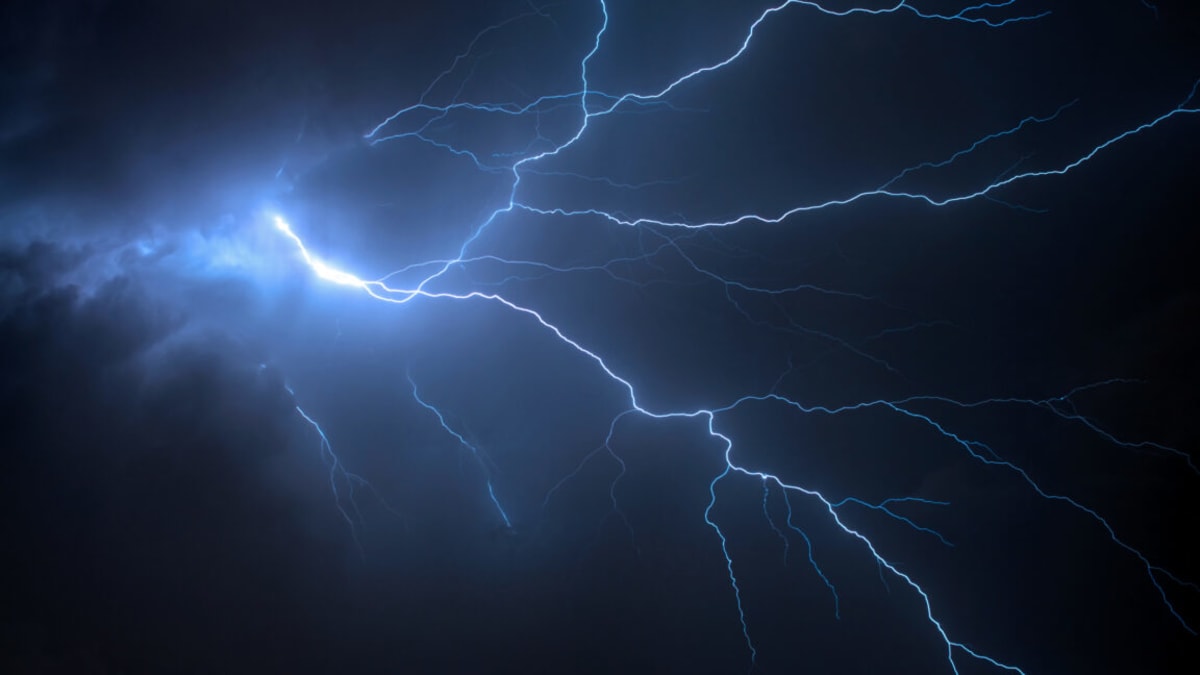
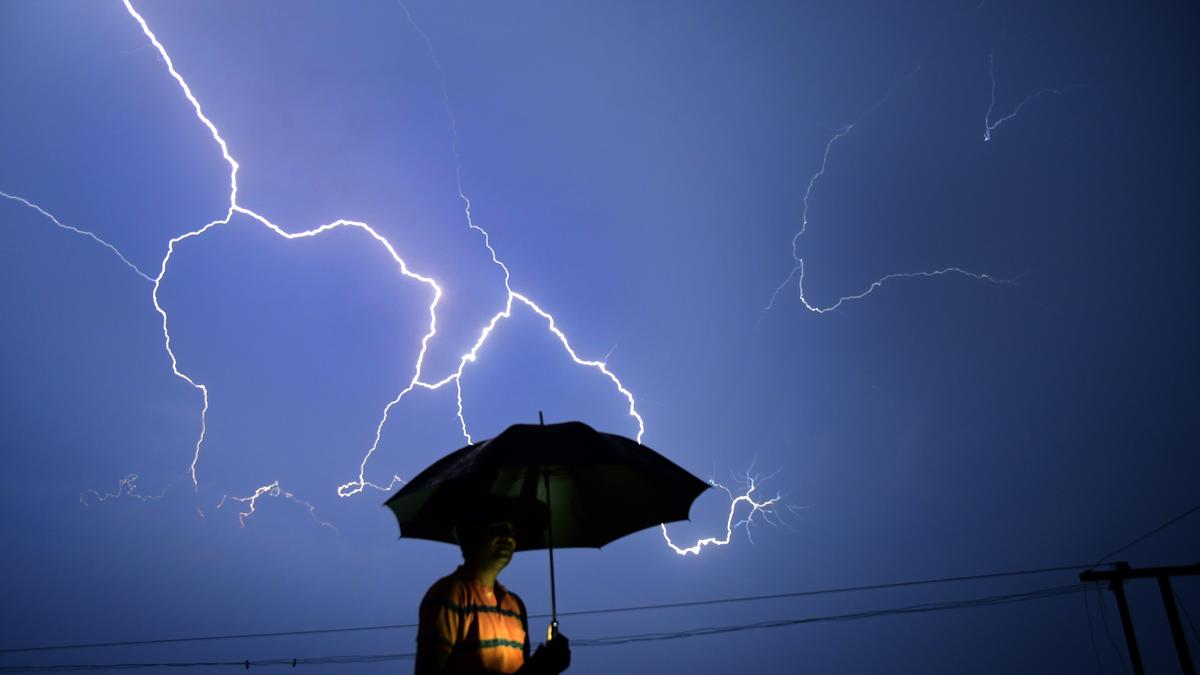
Scientists have cracked one of nature's most electrifying mysteries: why lightning zigzags through the sky instead of traveling in a straight line.
Despite 8.6 million lightning strikes happening worldwide every day, no one could explain the distinctive stepped pattern until now. New research from the University of South Australia reveals the elegant science behind those dramatic leaps from cloud to ground.
The answer lies in tiny oxygen molecules getting supercharged by electrical storms. When electrons in thunderclouds gain enough energy, they create special "singlet delta oxygen molecules" that can conduct electricity for about 45 minutes.
These molecules build up along with electrons until they create a short, highly conducting step that flashes intensely for just a millionth of a second. Then comes a pause of about 50 millionths of a second while the molecules build up again, followed by another bright leap forward.
The process repeats over and over, creating the zigzag pattern we see lighting up the sky. Each step measures about 50 meters long, with previous steps staying dark while new ones form at the tip.
High-speed photography from 50 years ago first captured this stepping phenomenon, but scientists couldn't explain what was happening during those dark pauses between flashes. Now we know those quiet moments are when oxygen molecules are accumulating the energy needed for the next jump.
Why This Inspires
This breakthrough arrives at a crucial time as extreme weather events increase worldwide. Understanding exactly how lightning forms means engineers can design better protection for the structures and people in its path.
The discovery has immediate applications for protecting modern aircraft. New fuel-efficient composite materials are wonderful for the environment but more vulnerable to lightning damage than older materials.
Buildings stand to benefit too, especially tall or isolated structures that get hit repeatedly. The research helps engineers calculate exactly how many lightning rods each building needs, potentially preventing the deadly collapses that happen when lightning superheat water inside concrete walls.
Even simple park shelters often built from lightning-attracting galvanized iron can now be better protected. Standards Australia already updated their lightning protection guidelines based on this improved understanding of how strikes form and travel.
What started as pure curiosity about nature's light show has transformed into practical knowledge that will protect lives and property for generations to come.
Based on reporting by The Hindu
This story was written by BrightWire based on verified news reports.
Spread the positivity!
Share this good news with someone who needs it