Scientists Solve Mystery Behind Perovskite Solar Cell Success
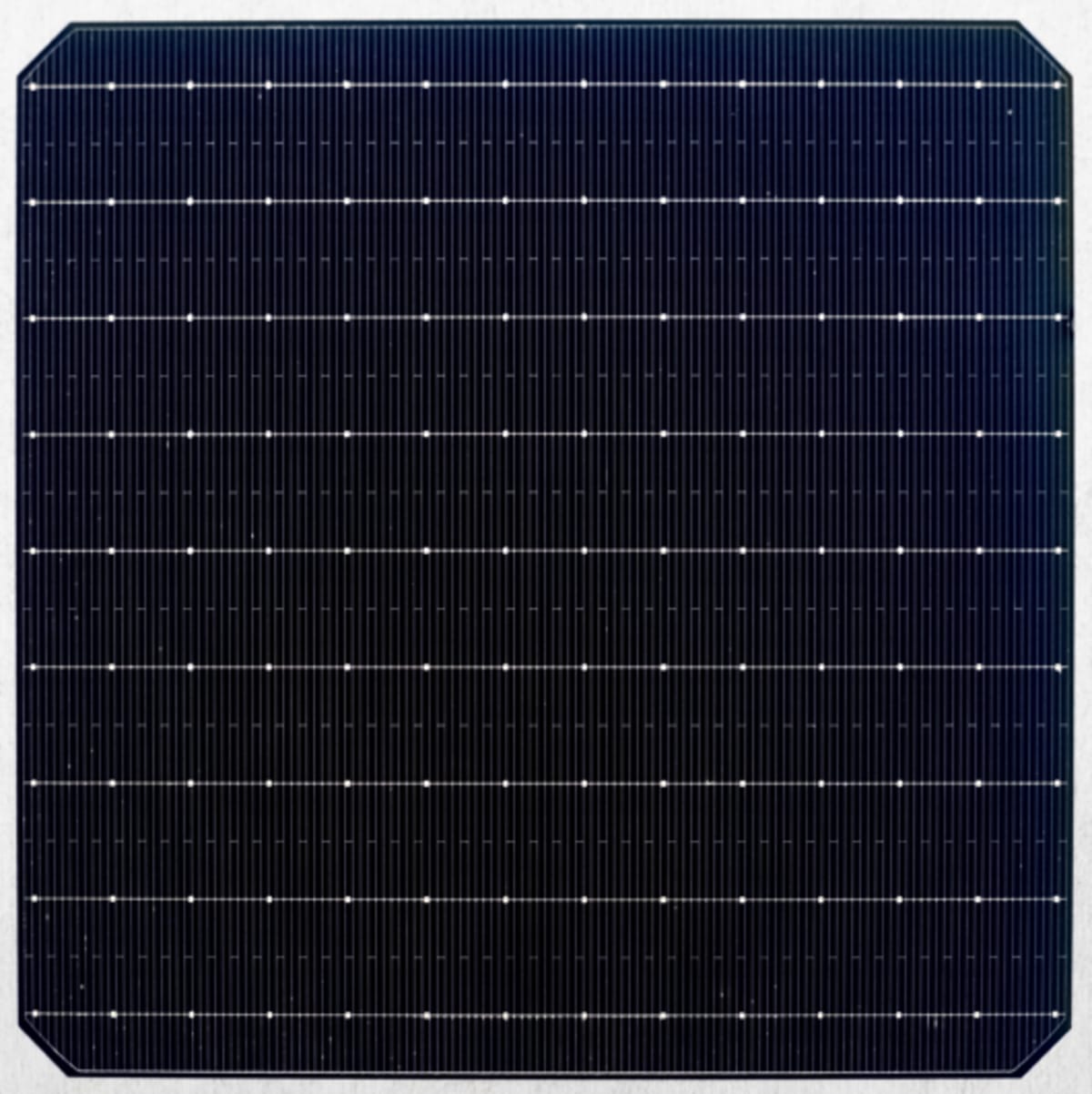
Researchers discovered why affordable perovskite solar cells match expensive silicon panels, opening doors to cheaper clean energy for everyone. The secret lies in tiny structural features that actually help electricity flow better.
Scientists just cracked a puzzle that could make solar power much cheaper for millions of homes.
Researchers at Austria's Institute of Science and Technology figured out why perovskite solar cells work so well despite being "messy" at the molecular level. These cells match the performance of ultra-pure silicon panels but cost far less to make.
The discovery centers on something called flexoelectric domain walls. Think of them as tiny highways inside the material that help electricity flow smoothly. When sunlight hits the perovskite, these walls create internal electric fields that separate positive and negative charges and guide them where they need to go.
What makes this breakthrough exciting is that it flips conventional wisdom on its head. Silicon solar panels require incredibly pure materials and expensive manufacturing processes to work well. Any imperfection hurts their performance.
Perovskites work differently. The structural quirks that might seem like flaws actually help them function better.
Lead researcher Zhanybek Alpichshev explained that his team studied methylammonium lead bromide crystals to understand what makes all perovskites tick. They used special laser techniques to create electrical charges deep inside the crystals, then measured consistent electric currents flowing without any applied voltage.
The measurements revealed internal forces separating charges even in unmodified, freshly grown crystals. Further analysis showed that perovskites contain domain walls where the crystal structure bends slightly, creating helpful electric fields throughout the material.
Co-author Dmytro Rak highlighted the key insight: "While silicon-based technology relies on the absence of impurities, the opposite is true in perovskites."
The Ripple Effect
This discovery explains why perovskite solar cells can be manufactured using simple, low-cost methods instead of energy-intensive processes. You can essentially print them from liquid solutions at room temperature.
The research, published in Nature Communications, also examined methylammonium lead iodide, the most common perovskite used in practical solar panels. The team found similar domain wall behavior, suggesting this mechanism works across different perovskite types.
Understanding exactly how these materials work gives scientists a roadmap for making them even better. They can now design perovskites with optimal domain wall structures to maximize efficiency while keeping costs low.
The findings could accelerate the rollout of affordable solar technology worldwide. Countries and communities that couldn't access expensive silicon panels might soon generate clean electricity using cheaper perovskite alternatives.
This research proves that sometimes nature's imperfections create unexpected advantages that human engineering can harness for good.
More Images


Based on reporting by PV Magazine
This story was written by BrightWire based on verified news reports.
Spread the positivity!
Share this good news with someone who needs it