Scientists Solve Mystery of 2020s Methane Spike
The atmosphere temporarily lost its cleaning power after 2020, letting methane build up faster than ever recorded. Scientists now understand why, and that knowledge could help us tackle climate change smarter.
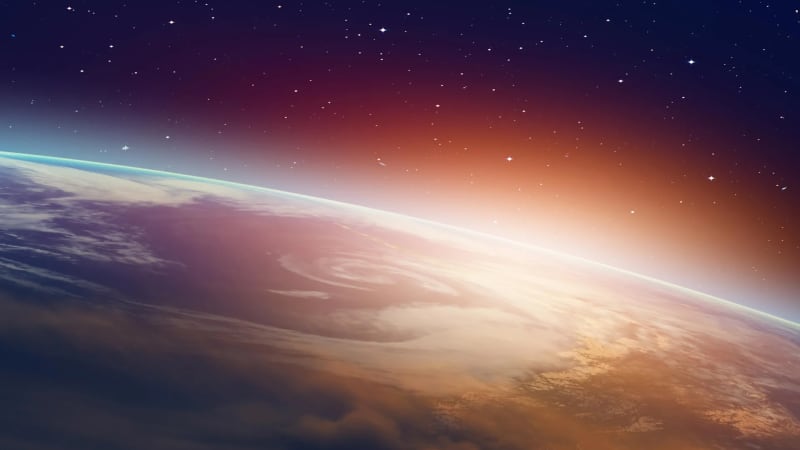
Earth's atmosphere has a self-cleaning system that constantly breaks down methane, but in the early 2020s, something unexpected happened. That natural cleanup crew took an unplanned break, and methane levels shot up at record speeds.
An international team of researchers just cracked the case, and the answer involves some surprising connections. The biggest factor wasn't runaway emissions like many feared. Instead, hydroxyl radicals, the atmosphere's main methane destroyers, dropped sharply during 2020 and 2021.
These chemical cleaners explained about 80 percent of why methane accumulated so quickly. When COVID-19 lockdowns cleared the air of certain pollutants, especially nitrogen oxides from traffic and industry, it accidentally weakened the atmosphere's ability to scrub out methane.
At the same time, Mother Nature turned up the dial on natural methane sources. A prolonged La Niña weather pattern from 2020 to 2023 brought unusually wet conditions across tropical regions. Flooded landscapes became perfect breeding grounds for methane-producing microbes.
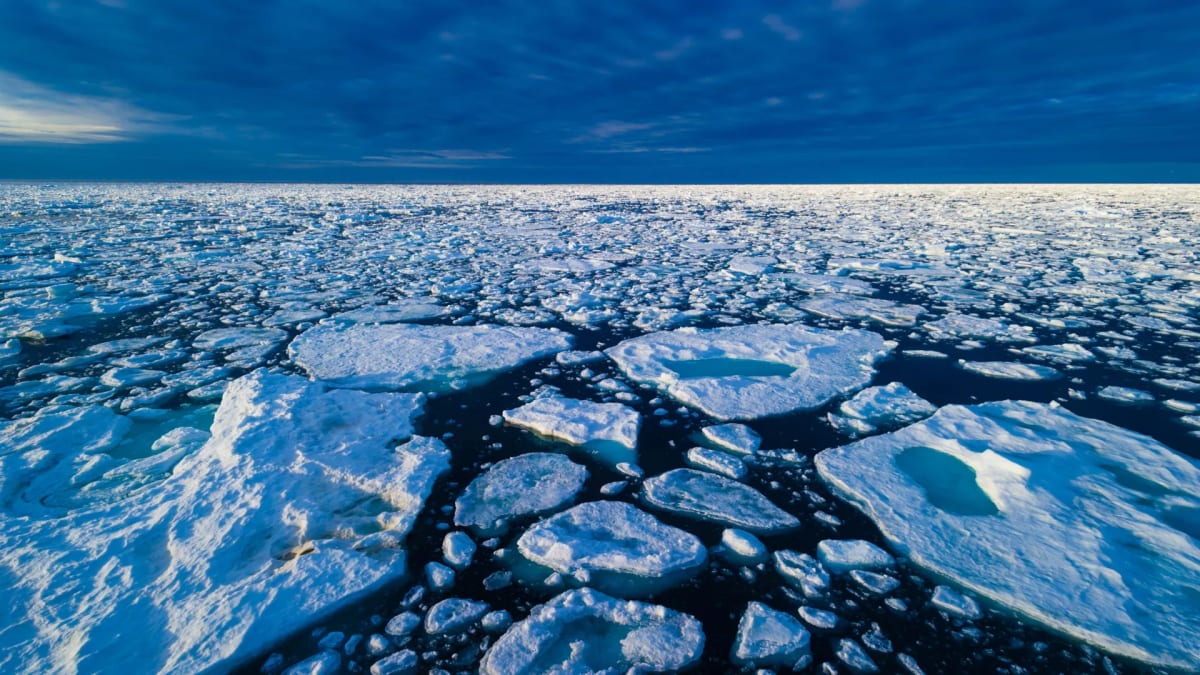
Wetlands, rivers, lakes, and rice paddies across tropical Africa and Southeast Asia released more methane than usual. Even Arctic regions joined in as warmer temperatures woke up dormant microbes in thawing landscapes.
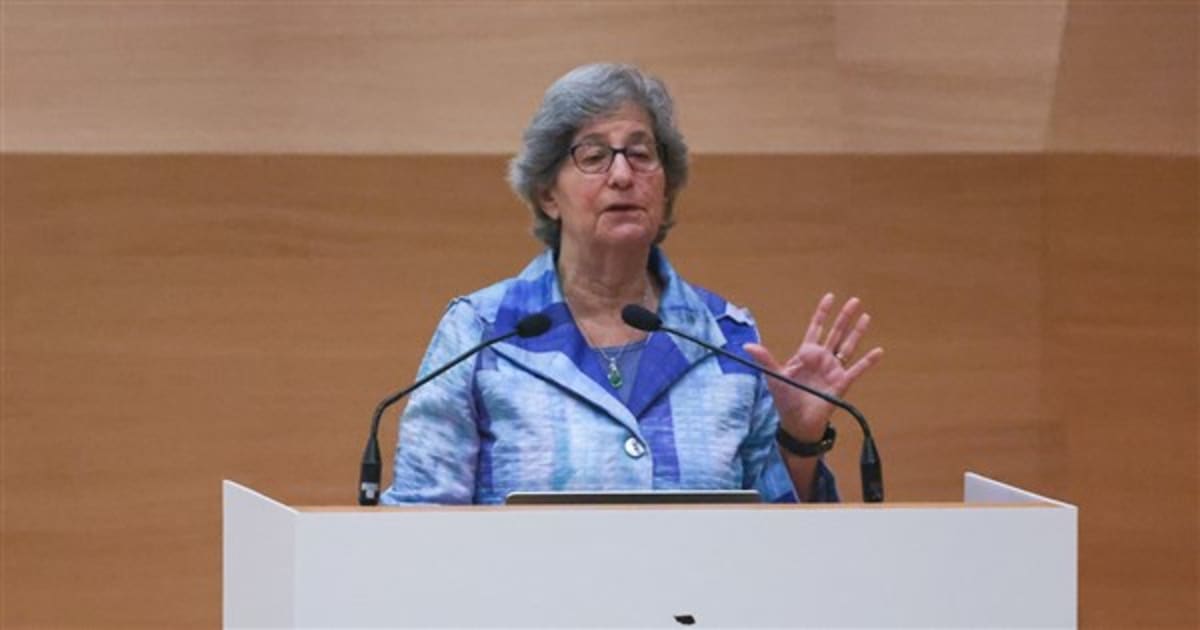
Boston College Professor Hanqin Tian, who led part of the research, used advanced Earth system models to track these connected changes. His team showed that managed environments like rice fields matter just as much as wild wetlands when it comes to methane. These sources often get overlooked in global climate models.
The measurements tell a striking story. Atmospheric methane jumped 55 parts per billion between 2019 and 2023, reaching a record 1,921 ppb. The fastest leap happened in 2021, when levels rose nearly 18 ppb, an increase 84 percent higher than 2019.
What about fossil fuels and wildfires? They played surprisingly small roles in this spike. Chemical fingerprinting showed that microbial sources, not oil and gas leaks or burning forests, drove most of the increase.
The Bright Side
Here's the hopeful twist in this story. Understanding exactly what caused the methane surge gives climate scientists better tools to predict and manage future changes. The atmosphere's cleaning system has already started recovering as air pollution patterns stabilized.
Even better, the research shows that climate action can work in unexpected ways. The same wet tropical regions that released more methane during La Niña saw emissions drop sharply when El Niño brought drier conditions in 2023. Nature responds to climate patterns, and we're learning to read those signals.
The findings also highlight that global efforts like the Global Methane Pledge need to account for both human sources and climate-driven natural emissions. Tian notes that as our planet warms, wetlands and inland waters will increasingly shape near-term climate patterns.
This knowledge empowers smarter climate action, showing us that controlling methane means understanding the whole system, not just turning off industrial taps. Scientists now have clearer roadmaps for where to focus efforts as our climate continues changing.
Based on reporting by Science Daily
This story was written by BrightWire based on verified news reports.
Spread the positivity!
Share this good news with someone who needs it