Scientists Solve Mystery of Same-Sex Bonds in Primates
After eight years of research, scientists have discovered that same-sex behavior in primates isn't a puzzle to solve but a survival advantage that helps animals thrive in harsh environments and complex societies. The groundbreaking study analyzed 491 primate species and found this natural behavior strengthens social bonds that keep animals safe and help them succeed.
Scientists just answered a question that has puzzled biologists for generations, and the findings reveal something beautiful about how nature works.
A new study published in Nature Ecology & Evolution shows that same-sex behavior among primates serves important survival purposes. Far from being an evolutionary mystery, these behaviors help animals build the trust and alliances they need to navigate predators, food scarcity, and challenging social structures.
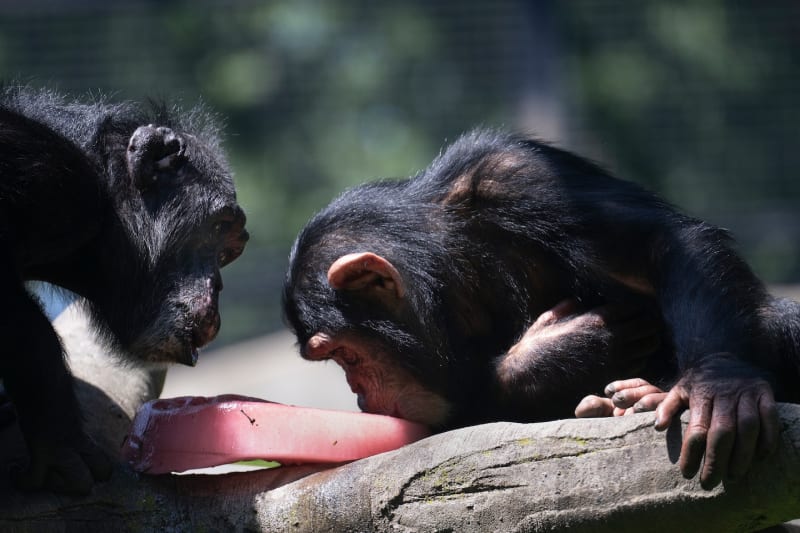
Researcher Vincent Savolainen from Imperial College London spent eight years studying rhesus macaques on Puerto Rico's Cayo Santiago island. His team analyzed data from 491 primate species and found evidence of same-sex behavior in 59 species, with 23 showing repeated occurrence.
The researchers discovered that young animals often engage in same-sex behavior to practice for later mating. But the benefits go far deeper than that.
Same-sex interactions create powerful bonds between individuals in primate groups. These connections make animals more likely to trust each other when warning about predators and defend one another when threatened.
The study found this behavior is more common in species living in harsh, dry environments and those with complex social hierarchies. These bonds can help individuals rise in their group's ranking, which directly improves their chances of survival.
Scientists looked at three evolutionary theories and found that environmental stress, differences between males and females, and social complexity all play roles. Both male and female primates engage in these relationships across dozens of species.
Previous research has documented same-sex behavior in 261 mammal species, including humpback whales, elephants, giraffes, and even a Seychelles giant tortoise. This represents about 4 percent of all mammal species.
Julia Monk, an assistant professor at New York University, praised the study for shifting away from treating same-sex behavior as a problem that needs explaining. Instead, it recognizes these relationships as part of how complex animal societies function and thrive.
Why This Inspires
This research transforms our understanding of nature by showing that behaviors once seen as contradictions actually make perfect evolutionary sense. The study reveals that feeding, fighting, caring for offspring, reproductive sex, and same-sex relationships all work together to help complex societies succeed.
Julie Teichroeb from the University of Toronto explained that the old "Darwinian paradox" no longer holds up. The time and energy animals invest in same-sex relationships pays off through stronger social networks and better survival outcomes.
The findings remind us that nature is far more sophisticated and interconnected than simple survival-of-the-fittest narratives suggest, and that cooperation and bonding are fundamental to thriving in challenging environments.
More Images


Based on reporting by Google News - Science
This story was written by BrightWire based on verified news reports.
Spread the positivity!
Share this good news with someone who needs it