Scientists Study Hidden Ocean Under Antarctica for 4 Years
Researchers just completed a four-year study of the mysterious ocean beneath Antarctica's largest ice shelf, revealing seasonal patterns that could help predict future sea level changes. The instruments they placed survived twice as long as expected in one of Earth's most remote environments.
Scientists have spent four years listening to the heartbeat of an ocean that never sees sunlight, and what they learned could help protect coastal cities around the world.
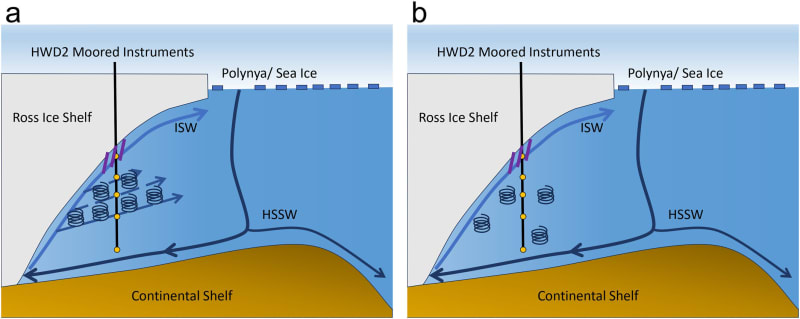
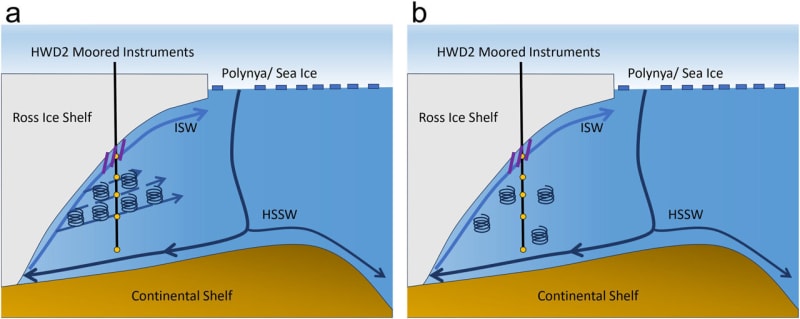
Beneath Antarctica's Ross Ice Shelf lies a hidden ocean cavity twice the size of the North Sea. Until now, researchers could only catch brief glimpses at its edges, like trying to understand a symphony from a single note.
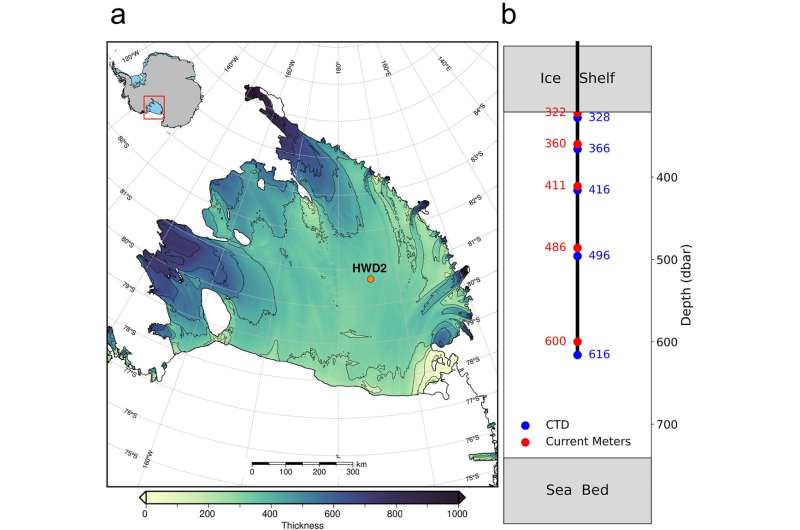
A team of researchers changed that by drilling through 320 meters of ice to reach the ocean below. They lowered precision instruments that measured temperature, currents, and salinity, expecting them to last maybe two years in the extreme cold.
The instruments kept working for over four years, sending data via satellite from one of the least measured places on Earth. That's like getting a weather report from another planet, except this data matters for every coastline.
What they discovered surprised them. The hidden ocean changes with the seasons even though it's hundreds of kilometers from open water and never feels sunlight. These subtle shifts in temperature and salinity reveal how this distant cavity stays connected to the rest of the polar system.
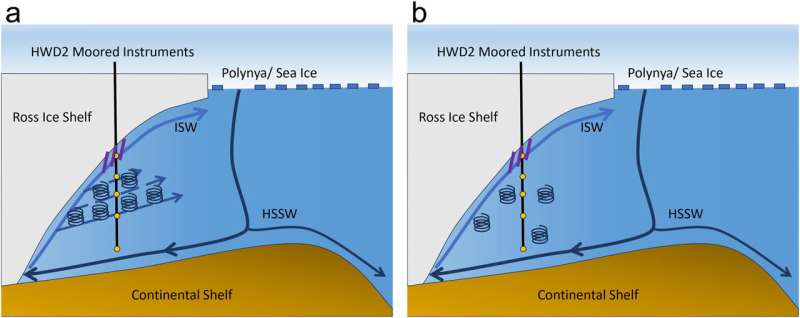
The data also revealed something else: persistent layers of water with different properties stack up like a protective shield. These layers, first detected way back in 1978, appear to block warmer water from reaching the ice shelf's underside.
That layering matters because the Ross Ice Shelf acts as a massive buttress, holding back 30 million cubic kilometers of Antarctic ice. If warm water melts the shelf from below, all that ice could eventually reach the ocean and raise sea levels worldwide.
The Bright Side
This long-term data gives scientists something they've never had before: the ability to spot patterns and predict changes. Instead of guessing how Antarctica's ice will respond to warming oceans, researchers can now model what's actually happening beneath the ice.
The study also revealed an unexpected connection between the cavity and the Ross Sea Polynya, a wind-swept ice-free area hundreds of kilometers away. Understanding this link helps scientists anticipate how changes in sea ice formation will affect the stability of ice shelves.
The research team faced brutal weather and technical nightmares working in such a remote location. But their instruments, built to withstand the harshest environment on Earth, exceeded every expectation by lasting twice as long as planned.
Now other research teams have a roadmap for studying similar cavities beneath other Antarctic ice shelves. Each new measurement helps complete the picture of how our planet's ice responds to climate change, giving coastal communities better information to plan for the future.
Four years of data from an ocean in permanent darkness is helping scientists see more clearly than ever before.
More Images

Based on reporting by Phys.org - Earth
This story was written by BrightWire based on verified news reports.
Spread the positivity!
Share this good news with someone who needs it