Scientists Study Space Reproduction to Enable Future Colonies
Australian researchers are solving the puzzle of how humans might have babies in space, discovering surprising challenges that need solutions before we can settle other worlds. Their groundbreaking experiments reveal both obstacles and paths forward for space-faring families.
Scientists are taking the first steps toward understanding how humanity might reproduce beyond Earth, and their discoveries are opening doors we didn't even know existed.
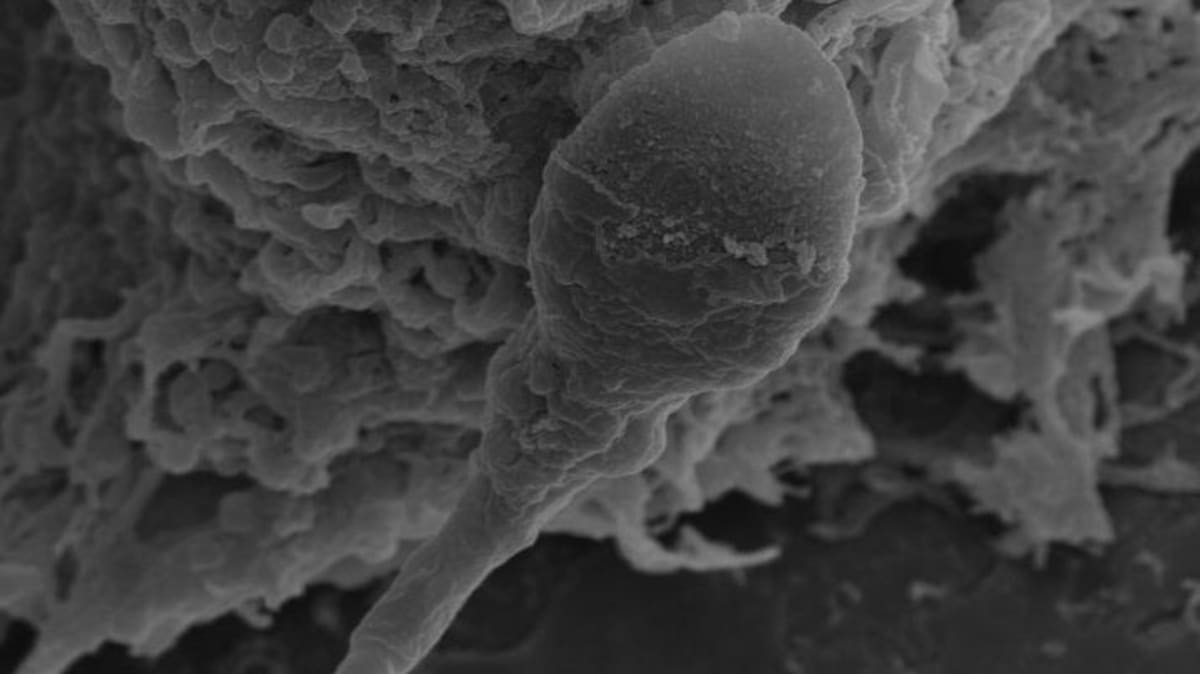
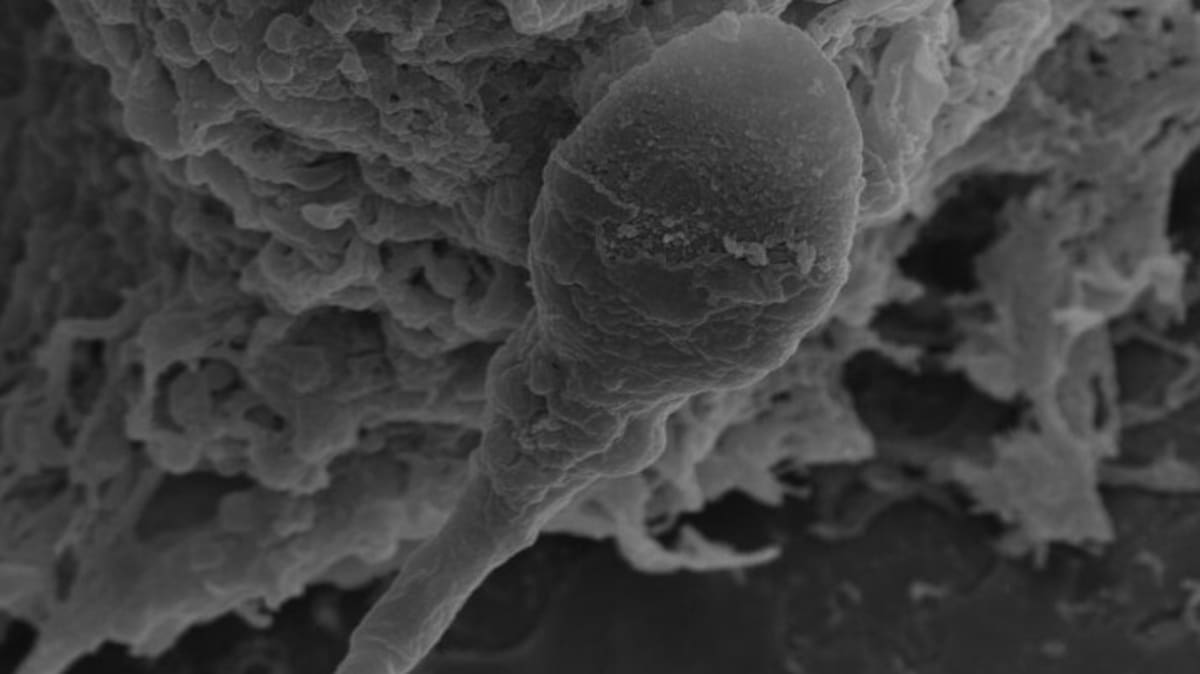
Researchers at the University of Adelaide tested sperm and embryo development in simulated microgravity conditions, mimicking what happens in space. Using samples from humans, mice, and pigs, they created a mini laboratory that spins samples in multiple directions, confusing cells about their position the same way astronauts experience weightlessness.
The findings revealed fascinating patterns. About 30% fewer sperm cells successfully navigated to egg cells in microgravity compared to normal gravity conditions. Sperm apparently rely on gravity to understand where surfaces are and find their way through the reproductive tract.
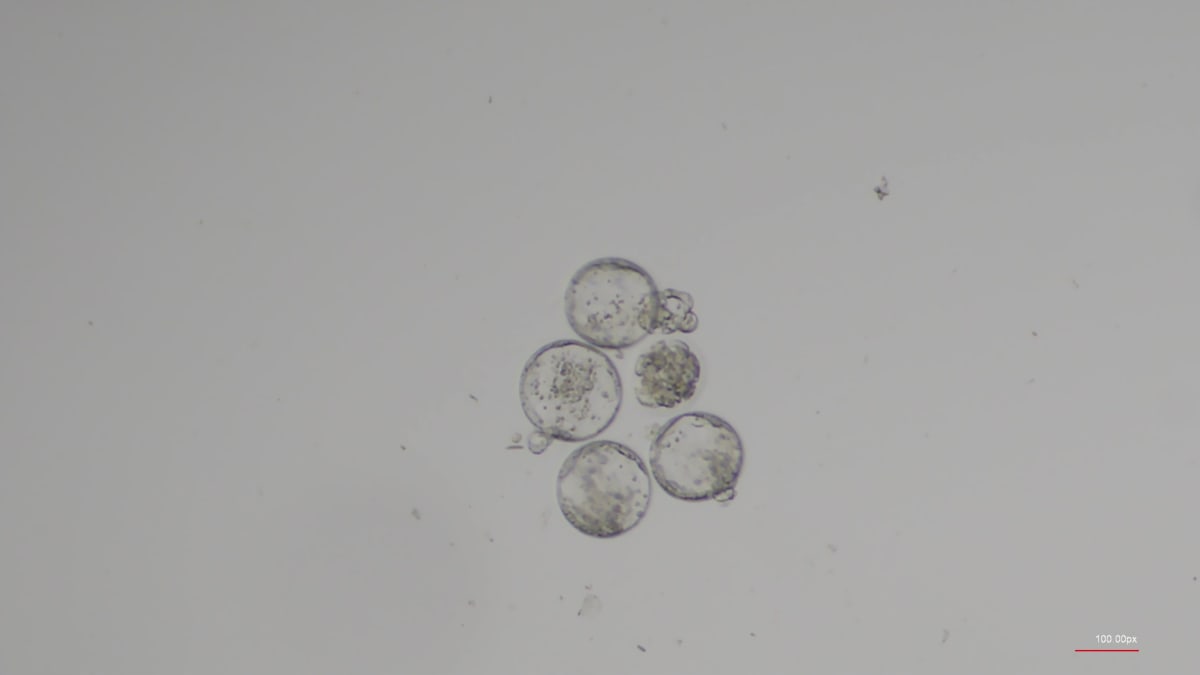
But here's where it gets interesting. The embryos that did form initially appeared stronger than those created in normal gravity. Only the fittest, most determined sperm made it to their destination, creating what seemed like superior early-stage embryos.
However, after 24 hours of continued microgravity exposure, those promising embryos started falling behind their Earth-based counterparts. The absence of gravity appears to disrupt critical processes happening in rapidly dividing cells, including how DNA combines and develops.
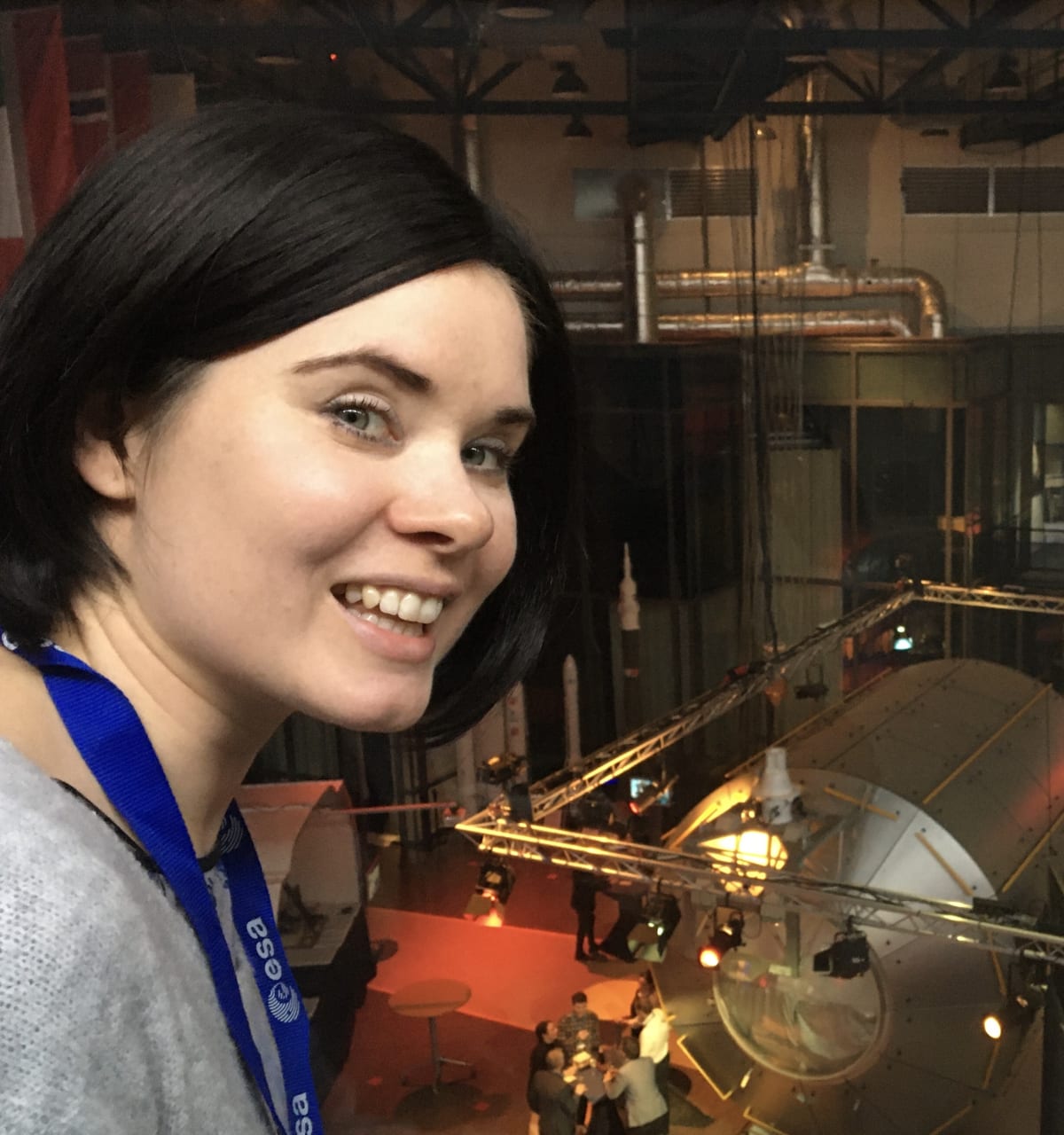
"For us to maintain space settlements without continually colonizing them from Earth, we need to be able to reproduce in space," says Nicole McPherson, the reproductive biologist who led the study. She was inspired to pursue this research after watching a documentary and discussing the future of humanity with her partner.
Why This Inspires
This research represents hope, not limitation. Every challenge identified is a problem scientists can now work to solve. The team plans to test reproduction in partial gravity conditions like those on the Moon or Mars, which might offer the sweet spot between Earth and zero gravity.
Understanding these biological hurdles today means engineers and scientists can design solutions tomorrow. Perhaps future space habitats will include artificial gravity through rotation, or medical interventions will help support healthy conception and development.
The study adds crucial knowledge to our growing understanding of space biology. Rather than discovering an impossible barrier, researchers are mapping the specific challenges we need to address. Each experiment brings us closer to the reality of sustainable human presence beyond Earth.
McPherson's work reminds us that becoming a space-faring species isn't just about rockets and technology. It's about understanding our biology deeply enough to thrive anywhere we choose to call home, ensuring future generations can be born among the stars.
More Images
Based on reporting by Google News - Science
This story was written by BrightWire based on verified news reports.
Spread the positivity!
Share this good news with someone who needs it