
Scientists Test Experiments in Weightlessness Over France
Scientists from around the world are conducting cutting-edge research in zero gravity without leaving Earth's atmosphere. A specially equipped Airbus in Bordeaux lets them experience weightlessness through parabolic flight patterns.
Imagine doing science experiments while floating in mid-air, testing ideas that could change our understanding of physics, biology, and materials science. That's exactly what researchers from across the globe are doing this week in Bordeaux, France.
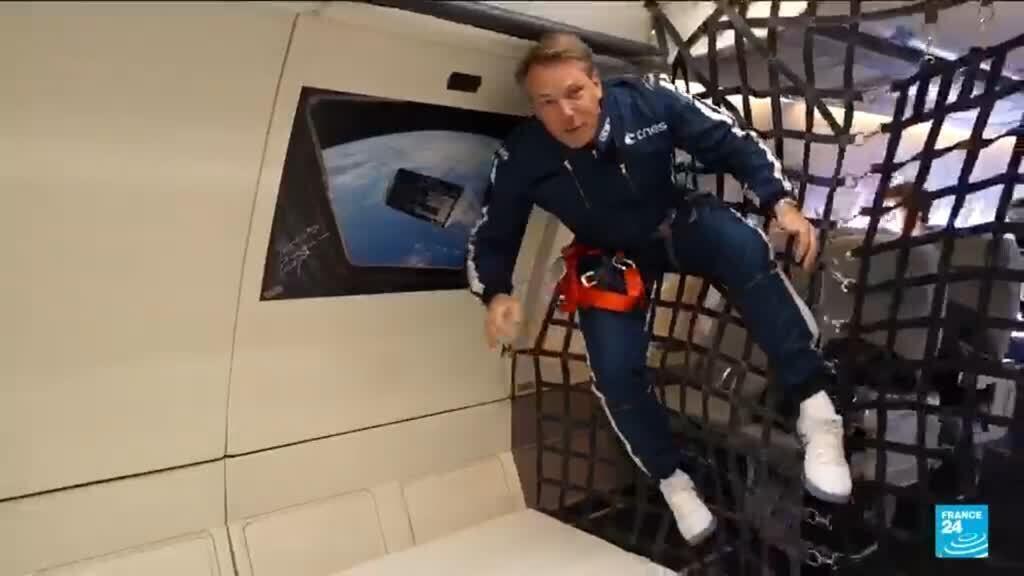
The French space agency CNES launched a microgravity research campaign that brings the conditions of space down to Earth. Scientists board a specially equipped Airbus that flies in parabolic arcs, creating brief periods of weightlessness without the massive expense of launching equipment into orbit.
During each parabolic maneuver, the aircraft climbs steeply before diving back down, creating about 22 seconds of zero gravity. These precious moments let researchers test everything from how fluids behave without gravity to how cells grow in weightless conditions.
The campaign democratizes space research in a way that wasn't possible before. Instead of waiting years for a spot on the International Space Station or spending millions on rocket launches, scientists can now test their theories in days for a fraction of the cost.
Researchers from multiple countries brought their experiments aboard, turning the Airbus into a flying laboratory. The diversity of teams means breakthroughs could come from any field, from medical advances to new manufacturing techniques that only work in zero gravity.
The Ripple Effect
This approach to microgravity research is opening doors for smaller universities and research teams that previously couldn't afford space-based experiments. More scientists testing more ideas means faster innovation in fields that could benefit everyone on Earth.
The insights gained from these flights have already contributed to advances in drug development, materials science, and our understanding of human physiology. Each campaign builds on the last, creating a growing knowledge base that helps prepare for longer space missions and improves life on our planet.
Young researchers get hands-on experience with space conditions early in their careers, inspiring the next generation of scientists. The accessibility of parabolic flights means space research is no longer limited to elite institutions with massive budgets.
France's commitment to making space research more accessible shows how creativity can overcome traditional barriers. Sometimes the biggest breakthroughs come not from going higher, but from finding smarter ways to reach the same heights.
More Images


Based on reporting by France 24 English
This story was written by BrightWire based on verified news reports.
Building Something New? Try the BrightWire Tech Stack Advisor
Compare modern frameworks, cloud hosting, and AI tools tailored to your project budget and scale.
Spread the positivity!
Share this good news with someone who needs it


