Scientists Track 4,500 Animals, Find Surprising Human Impact
Researchers discovered wildlife responds not just to cities and roads, but to people themselves—opening new paths for smarter conservation. The pandemic lockdowns created an unexpected natural experiment that revealed these hidden patterns.
Scientists just uncovered something surprising about how animals react to us: it's not just our buildings and roads that matter, but our physical presence too.
Researchers from UC Santa Barbara, the Smithsonian, and Yale tracked 4,581 mammals and birds across the United States using GPS data. They compared this information with anonymized cellphone location data to see exactly how wildlife responded when people were nearby versus when landscapes were permanently altered by development.
The timing was perfect. COVID-19 lockdowns in 2020 created a rare opportunity to separate these two influences, since people suddenly stopped moving around even though cities and roads remained unchanged.
What they found challenges how we've thought about conservation. About 57% of species studied were affected by both human presence and landscape changes, not just one or the other. For most mammals (67%) and birds (68%), simply having people around changed how much territory they used or how they interacted with their environment.
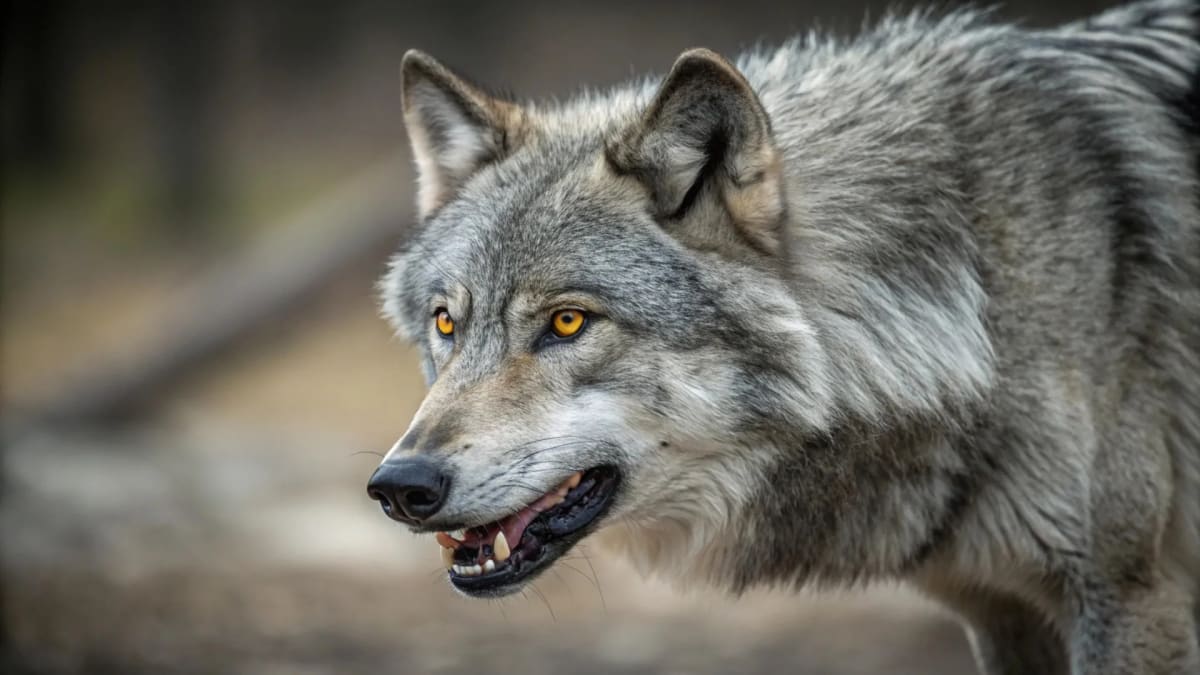
The effects varied dramatically by species. Wolves expanded their habitat use when humans were present, possibly trying to avoid us by spreading out farther. White-tailed deer showed mixed responses, expanding their habitat range in developed areas but contracting it when more people were physically present. Sandhill cranes did the opposite.
The research revealed another key insight: animals in relatively untouched places like national parks were often more sensitive to human presence than those already living near cities. This suggests wildlife in pristine areas may need different protection strategies than animals that have adapted to urban environments.
The Bright Side
This discovery opens doors for much smarter conservation planning. Instead of treating all wildlife the same way, managers can now design targeted strategies based on how specific species respond to both human development and human presence.
Ruth Oliver, the study's co-lead author and UC Santa Barbara professor, emphasized this point: "Every species has different habitat requirements, has its own particular behavioral tendencies and faces unique threats. Effective conservation requires that we understand the particular challenges that each species faces."
The research also demonstrates how valuable cellphone location data can be for conservation science. These datasets are typically held by private companies, but the pandemic made them available to researchers for the first time at this scale.
Understanding these nuanced responses means conservationists can work smarter, protecting wildlife more effectively while accounting for the reality that humans and animals share the same spaces.
Based on reporting by Science Daily
This story was written by BrightWire based on verified news reports.
Spread the positivity!
Share this good news with someone who needs it