Scientists Track Rare Forest Elephants at CAR Gathering
At a remote clearing in Central African Republic, researchers are unlocking secrets of Africa's most elusive elephants through patient observation and sound technology. The work is building a decades-long record of elephant behavior while training local scientists to lead the future.
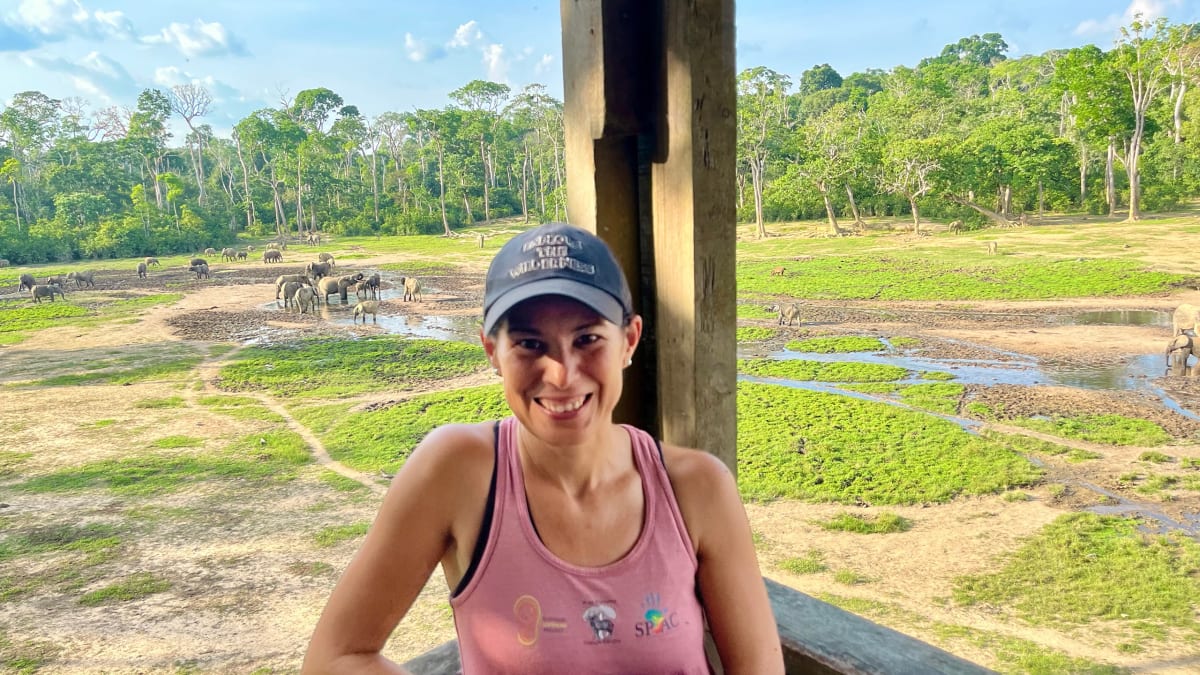
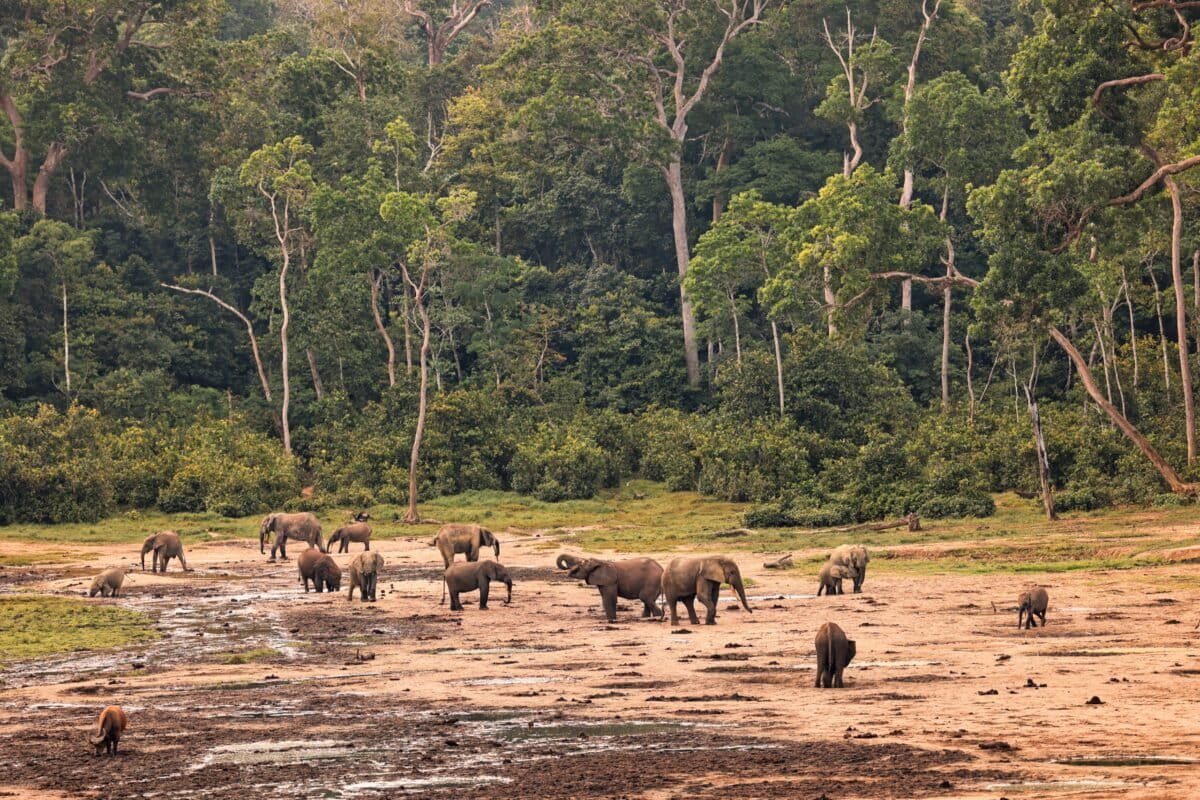
Deep in the Central African Republic's rainforest, elephants emerge from dense trees to gather in numbers almost never seen elsewhere.
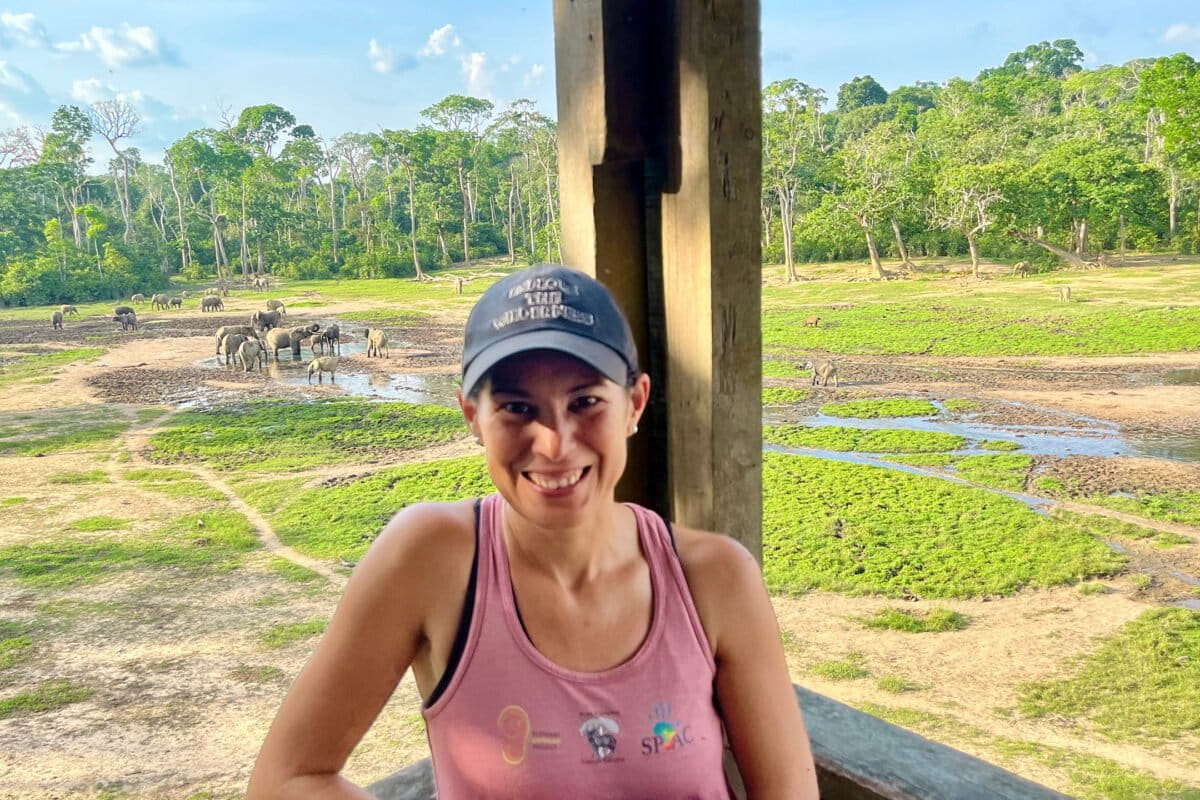
The place is Dzanga Bai, a broad clearing where forest elephants congregate to feed on minerals in the soil. Unlike their savanna cousins, forest elephants normally move in tiny groups through thick jungle, often at night, making them nearly impossible to study.
But at Dzanga Bai, something remarkable happens. Families linger for hours, calves play in full view, and researchers can track the same individuals across years.
Ivonne Kienast leads the Dzanga Forest Elephant Project, part of Cornell University's Elephant Listening Project. Her team counts elephants hourly and identifies individuals, building a detailed picture of how these animals live and interact. Changes in family groups sometimes reveal hidden tragedies, like the loss of a matriarch.
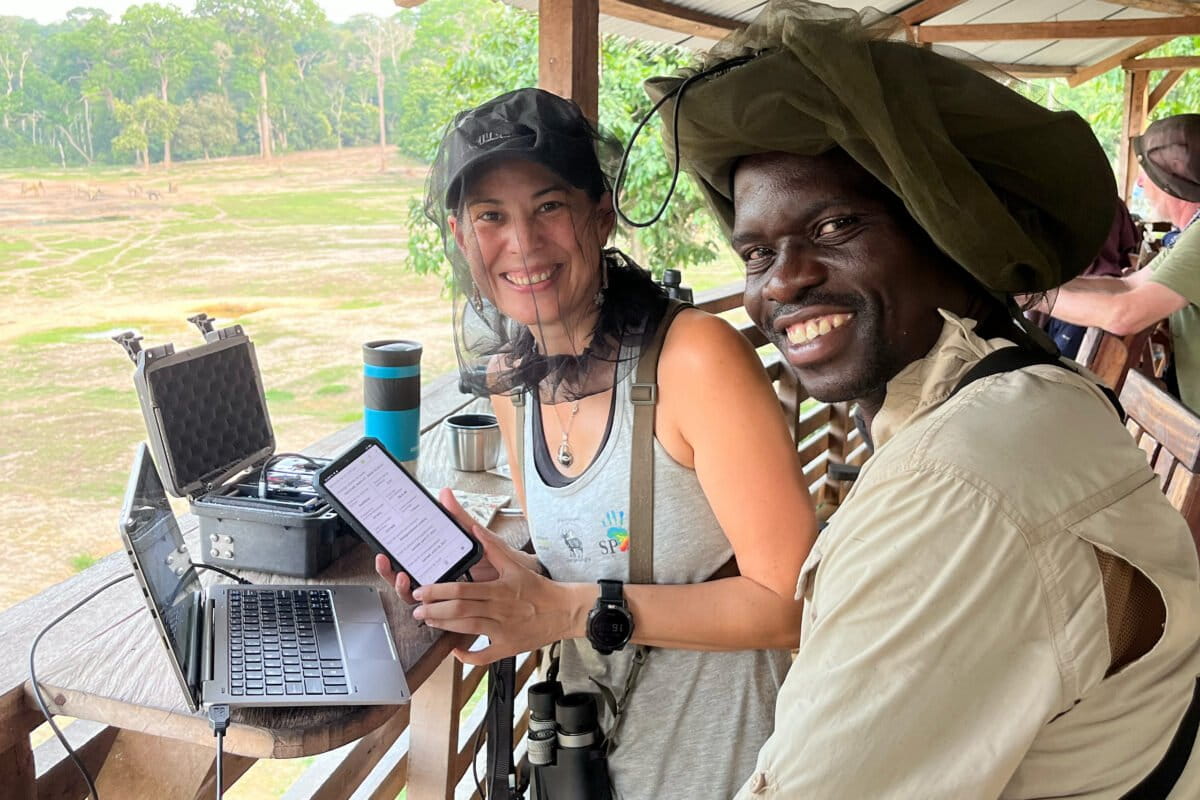
The work goes beyond watching. Acoustic monitoring systems record sounds across the forest continuously, capturing the low-frequency calls elephants use to communicate over long distances. These same systems pick up gunshots, providing early warning of poaching threats.
Forest elephants aren't just visitors to Dzanga Bai. They actually create and maintain it. They dig for minerals, reshape the ground, and keep the space open. Without the elephants, the forest would reclaim the clearing.
The Ripple Effect
The research has helped stabilize the elephant population through better protection. Decades of conservation presence have reduced poaching significantly, allowing families to grow and behaviors to flourish.
But Kienast's most important work may be training local researchers. She's focused on developing independent scientists who can analyze data, write findings, and communicate discoveries, not just assist foreigners. Her measure of success is simple: whether the project can continue without her.
The team is also making acoustic monitoring more accessible. By creating simpler tools with local-language interfaces, they're ensuring conservation technology actually works in the field, where it matters most.
In dense rainforest, tracking elephants means making quick decisions with incomplete information. The work is physically demanding and occasionally dangerous. But the sustained presence has revealed patterns invisible anywhere else: how families organize, how individuals relate, and how populations change over time.
What happens at Dzanga Bai reaches far beyond one clearing. Forest elephants shape entire ecosystems, spreading seeds and creating pathways through dense jungle. Understanding them here helps protect forests across Central Africa.
The elephants keep returning to Dzanga Bai, and so do the researchers building a living record of resilience.
More Images

Based on reporting by Mongabay
This story was written by BrightWire based on verified news reports.
Spread the positivity!
Share this good news with someone who needs it