Scientists Track Space Junk Pollution With New Laser Tech
German researchers are using laser technology to detect and measure pollution from burning satellites and rocket stages in Earth's upper atmosphere. The breakthrough could help protect our ozone layer as space traffic increases.
Scientists just discovered a new way to track how space junk affects our atmosphere, and it's already revealing important information about protecting our planet.
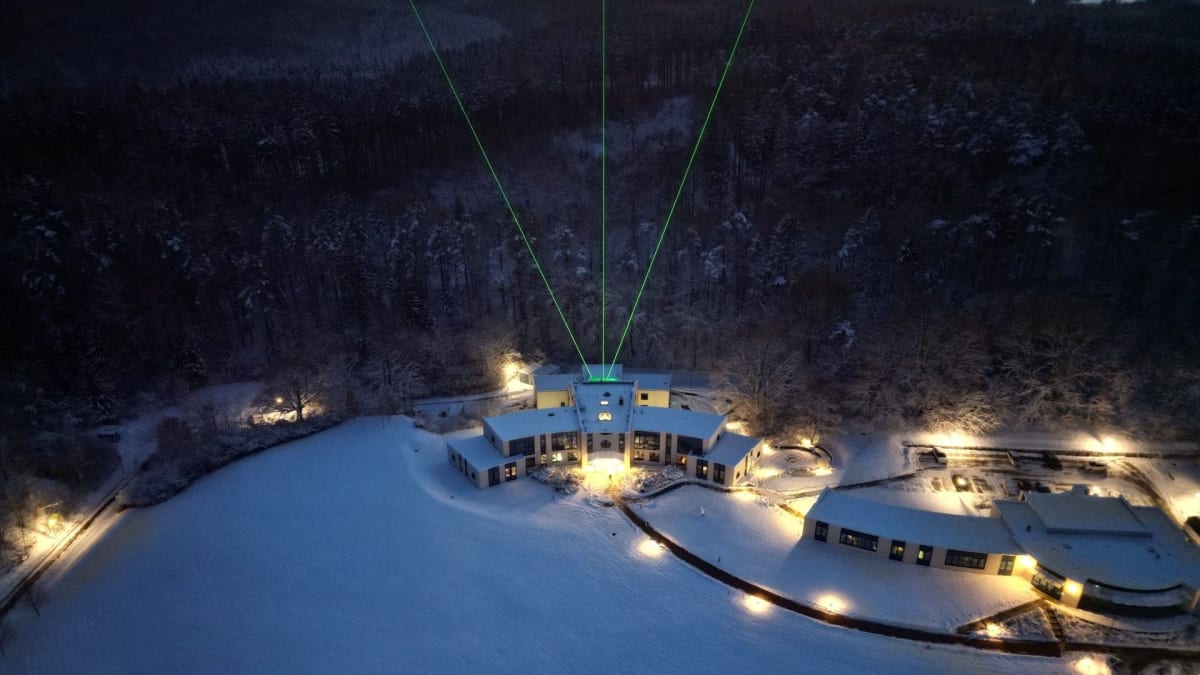
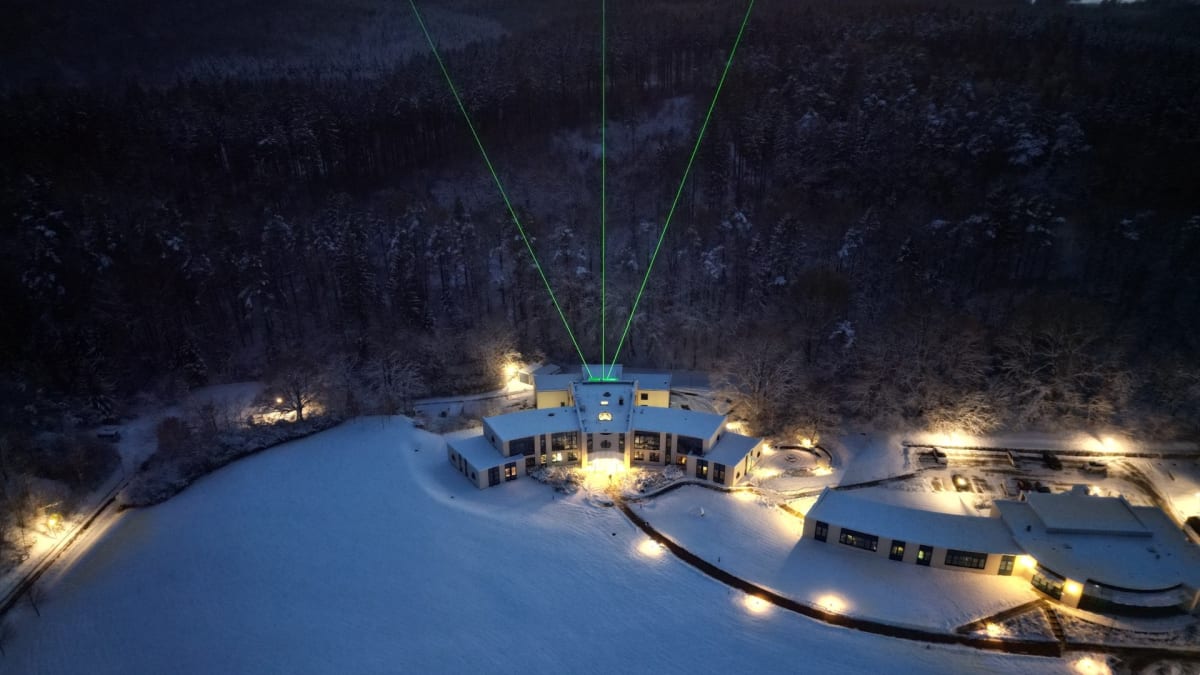
Researchers at Germany's Leibniz Institute of Atmospheric Physics are using advanced laser technology called LiDAR to detect metals and chemicals released when satellites and rocket parts burn up during reentry. Think of it like a powerful flashlight that can spot pollution from space debris 60 miles above Earth.
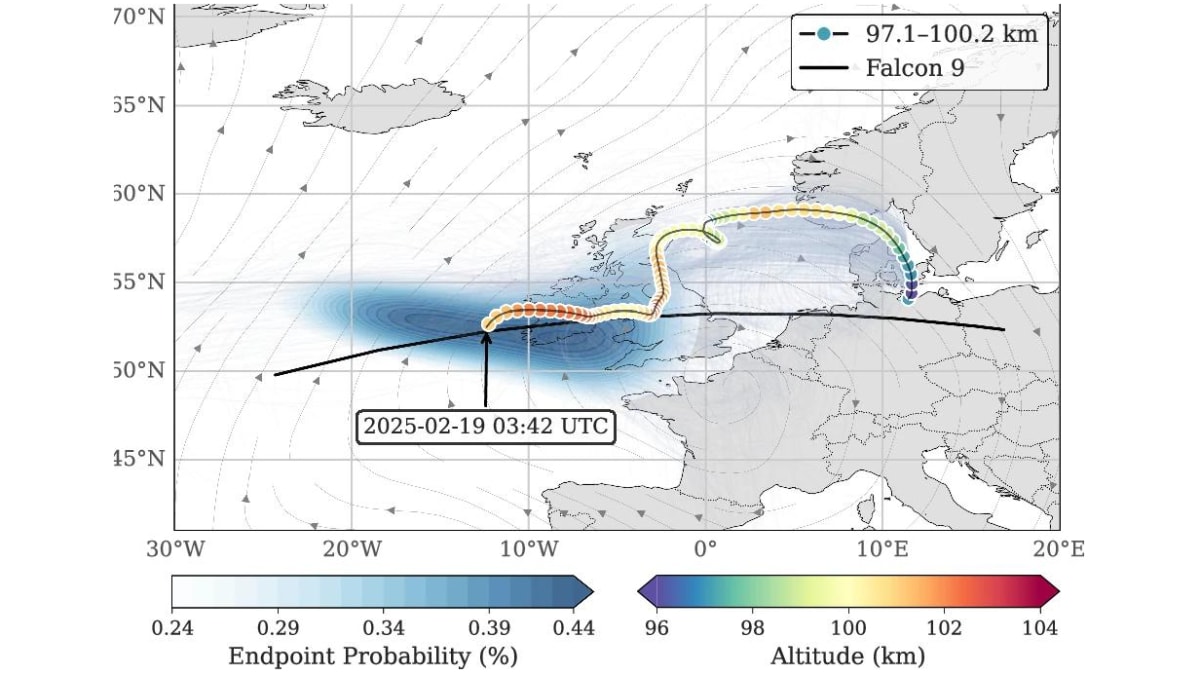
In February 2025, the team made their first breakthrough. They detected a lithium cloud ten times larger than normal in the upper atmosphere and traced it back to a SpaceX Falcon 9 rocket stage burning up west of Ireland. The discovery proved that ground-based lasers could track space debris pollution in real time.
Scientist Michael Gerding presented new findings at the European Geosciences Union conference in Vienna this May. His team has developed a three-channel laser system that can detect copper, aluminum oxide, and hydrogen fluoride, all materials commonly released by burning space hardware.
The timing couldn't be better. With companies launching massive satellite constellations, thousands of spacecraft will eventually burn up in our atmosphere. Understanding this pollution now means we can protect Earth's ozone layer before damage occurs.
The Bright Side
This breakthrough gives us something we desperately need: early warning and measurement tools. Instead of guessing how space activities affect our atmosphere, scientists can now gather hard data and develop solutions before problems escalate.
Researcher Robin Wing told reporters the upgraded laser system is already running test measurements. The technology systematically searches for different spacecraft elements, with copper as the first target. Each successful detection teaches scientists more about protecting our planet.
Leonard Schulz from Technische Universität Braunschweig notes that while natural meteors have always contributed metals to the upper atmosphere, human-made space debris adds new elements in unknown quantities. His May study in Advances in Space Research calls for more detailed observations and ground experiments.
The German team's work represents exactly the kind of proactive environmental monitoring our space age needs. Rather than waiting decades to discover atmospheric damage, scientists are building the tools to track and understand these changes as they happen.
With this laser technology improving and more observation stations potentially coming online, humanity gets a fighting chance to balance our space ambitions with planetary protection.
More Images


Based on reporting by Space.com
This story was written by BrightWire based on verified news reports.
Spread the positivity!
Share this good news with someone who needs it