Scientists Track Tigers by Their Scent, No Cameras Needed
Researchers in India developed a simple way to monitor endangered tigers and leopards using chemical signatures in their waste. The breakthrough could transform how conservationists protect the world's most elusive big cats.
Scientists just made tracking endangered tigers and leopards as simple as following their scent trail.
Researchers at India's National Centre for Biological Sciences discovered they can identify a big cat's age, sex, and even pregnancy status from chemical compounds in urine and scat left behind in the wild. The method offers a game-changing alternative to expensive camera traps and complex genetic testing.
Tigers and leopards are notoriously difficult to study because they're solitary, stealthy, and critically endangered. But these cats constantly communicate with each other through scent markings laced with volatile organic compounds that act like chemical ID cards.
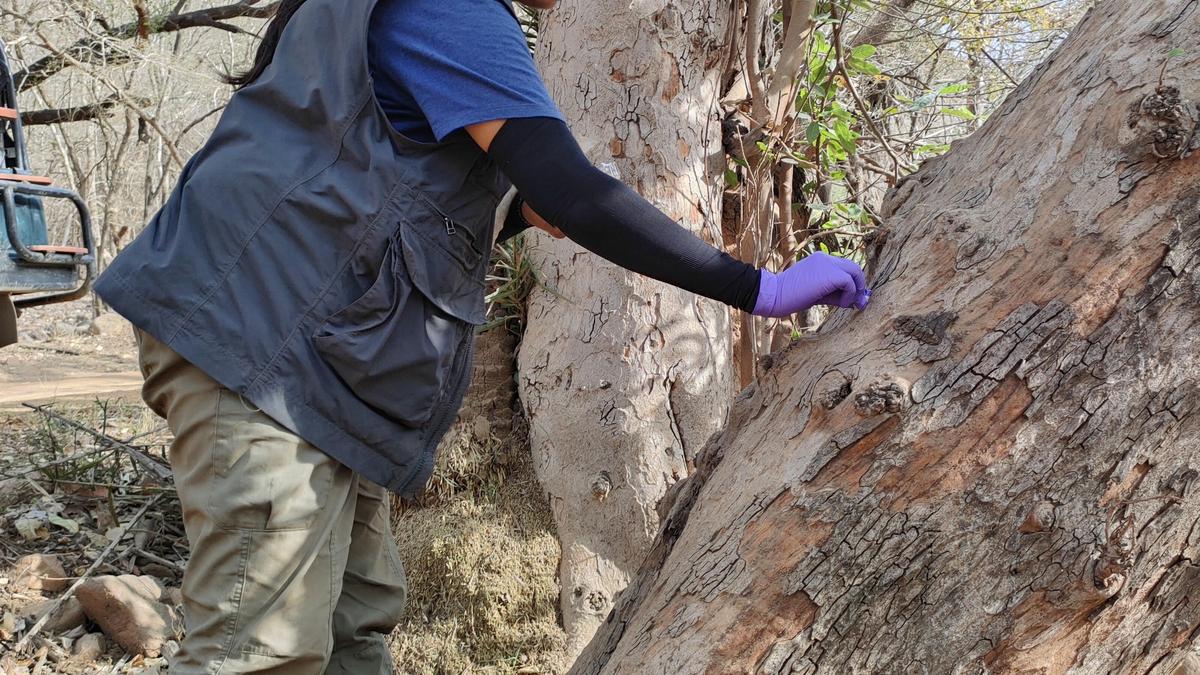
The research team collected samples from nine captive tigers and 15 leopards at zoos in Bengaluru, Ahmedabad, and Vadodara. They also gathered urine directly from 28 wild tigers in Ranthambore Tiger Reserve, marking the first time scientists sampled odors from identified wild tigers.
Using a technique called thermal desorption gas chromatography, the team identified which chemical compounds reliably revealed each cat's vital statistics. The samples successfully distinguished between tiger and leopard scents and could predict sex and age from specific volatile combinations.
The most exciting discovery involved reproductive health. Wild pregnant and nursing tigresses showed dramatically higher levels of a compound called 2-nonanol compared to other females, giving conservationists a powerful tool for monitoring breeding populations.
The researchers even stumbled upon an unexpected finding when a captive tiger being treated for epilepsy showed elevated levels of dimethyl tetrasulphide in its scat. While just one case, it hints that chemical signatures could help zookeepers detect health problems before animals show visible symptoms.
The Ripple Effect
Current monitoring methods can count how many big cats exist in an area, but they struggle to provide the demographic details that matter for conservation planning. Knowing which tigers are breeding, how old the population is, and whether individuals are healthy helps wildlife managers make smarter decisions about protecting threatened populations.
The beauty of this approach lies in its simplicity. Field teams can collect fresh samples without ever seeing the animal, and the analysis is far easier and cheaper than genetic testing that requires specialized labs. Conservation workers in remote areas could soon monitor their local big cat populations with basic equipment and training.
The technique could extend far beyond tigers and leopards too. Any species that communicates through scent could potentially be monitored this way, opening new possibilities for studying elusive wildlife across the globe without disturbing their natural behavior.
India's endangered big cats just gained an invisible guardian watching over them through the scents they leave behind.
Based on reporting by Google News - Researchers Find
This story was written by BrightWire based on verified news reports.
Spread the positivity!
Share this good news with someone who needs it