Scientists Train Soil to Resist Climate Change Effects
Researchers at the University of Lincoln discovered how to help soil naturally adapt to increasing salt levels caused by climate change. This breakthrough could protect crop yields in regions facing rising salinity without adding chemicals or new organisms.
Scientists just found a way to teach soil how to survive one of climate change's biggest threats to our food supply.
Researchers at the University of Lincoln discovered that naturally occurring soil microbes can learn to tolerate saltier conditions. By exposing soil to low levels of salt water over time, these tiny organisms adapt and become resilient enough to keep crops growing strong.
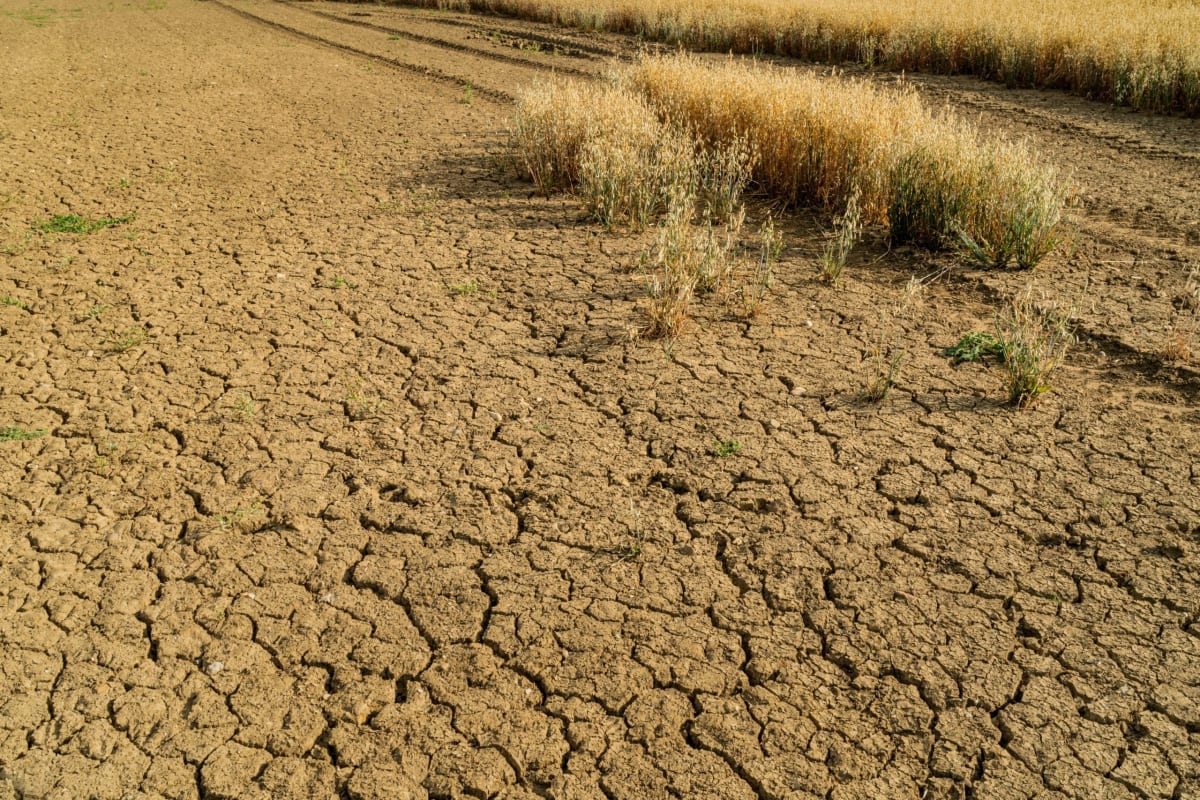
The timing couldn't be better. Rising sea levels, shifting rainfall patterns, and higher temperatures are making agricultural soil saltier across the globe. About 30 percent of farmland worldwide already struggles with excess salt, and experts predict that number will jump to 50 percent by 2050.
Professor Matthew Goddard led the groundbreaking study, funded by UKRI-Biotechnology and Biological Sciences Research Council. His team published their findings in Applied and Environmental Microbiology, offering farmers a practical new tool for climate adaptation.
The solution works like training for soil. Farmers gradually introduce small amounts of salt water through irrigation, giving microbial communities time to adjust. These adapted microbes then help established crops maintain healthy yields even when salt levels rise to normally damaging amounts.
What makes this approach special is its simplicity. Instead of introducing foreign organisms or synthetic chemicals, farmers work with what's already in their soil. The existing microbial communities naturally evolve to handle tougher conditions.
The adapted soil showed remarkable improvements. Researchers observed changes in microbial structure and activity that boosted nutrient turnover and salt tolerance. These microscopic communities became climate-ready versions of themselves.
Professor Goddard emphasized the real-world urgency. "As is all too apparent in the UK at the moment, the heat and lack of rain are having significant effects," he said. His team believes this is the first demonstration of successfully engineering natural agricultural microbiomes to support food production under climate change.
The method offers an additional bonus beyond crop protection. It reduces the amount of fresh water agriculture needs, addressing two climate challenges at once.
The Ripple Effect
This discovery could transform how farmers worldwide prepare for climate change. Rather than waiting for conditions to worsen, growers can now proactively strengthen their soil's resilience. The approach works alongside existing strategies like drought-resistant crop breeding and improved water management.
Regions already experiencing increased salinity stand to benefit immediately. Coastal farmland threatened by rising sea levels could maintain productivity for years longer. Agricultural areas facing changing rainfall patterns gain a buffer against sudden environmental shifts.
The cost-effectiveness matters too. Farmers can implement this training method using their existing irrigation systems without expensive new equipment or ongoing chemical purchases. Small-scale and large-scale operations alike can adopt the technique.
Food security experts see this as a crucial piece of the climate adaptation puzzle. With global population rising and arable land shrinking, every tool that protects crop yields helps ensure stable food supplies for future generations.
This breakthrough proves nature often holds the solutions we need—we just have to give it the right conditions to adapt.
More Images


Based on reporting by Google News - Researchers Find
This story was written by BrightWire based on verified news reports.
Spread the positivity!
Share this good news with someone who needs it