Scientists Turn 10M Tons of Peanut Waste Into Graphene
Australian researchers discovered how to transform discarded peanut shells into high-quality graphene, the wonder material that powers modern technology. The breakthrough could solve two problems at once: reducing 10 million tons of annual waste while making graphene cheaper and greener to produce.
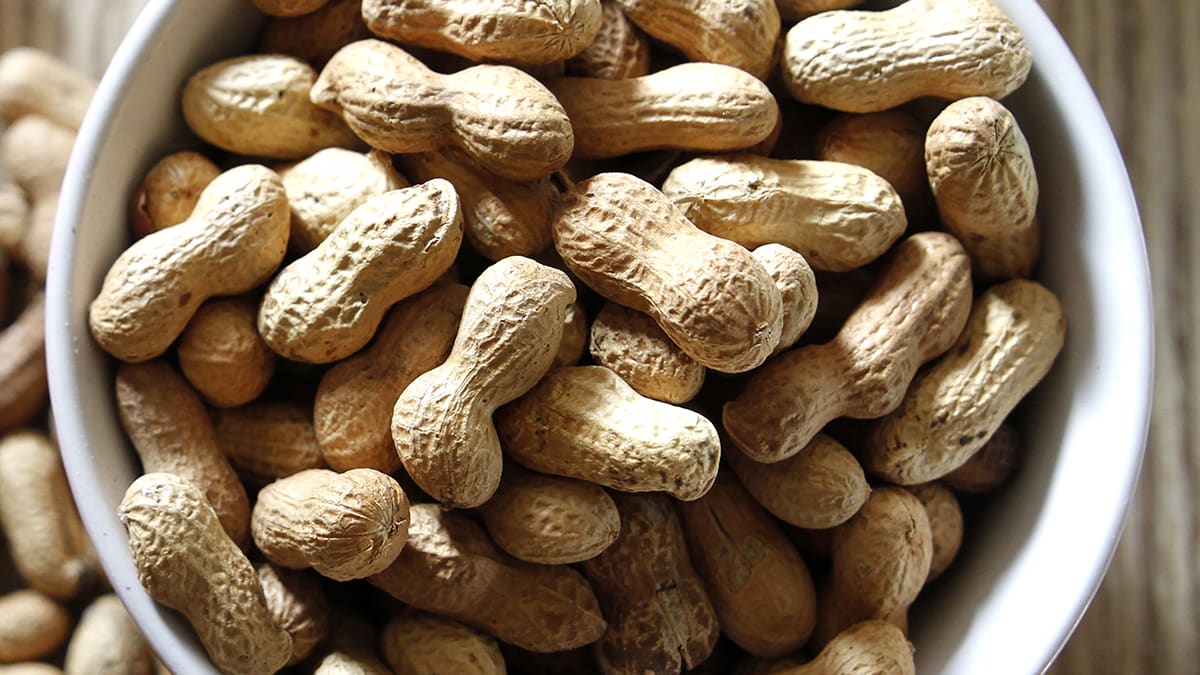
Every year, more than 10 million tons of peanut shells pile up as waste around the world. Now scientists in Australia have figured out how to turn that trash into treasure.
Researchers at the University of New South Wales developed a method to transform humble peanut shells into graphene, one of the most valuable materials on Earth. Graphene is super strong, incredibly light, and conducts heat and electricity better than almost anything else we know.
The problem? It's expensive and difficult to make at the scale we need it. That's where peanut shells come in.
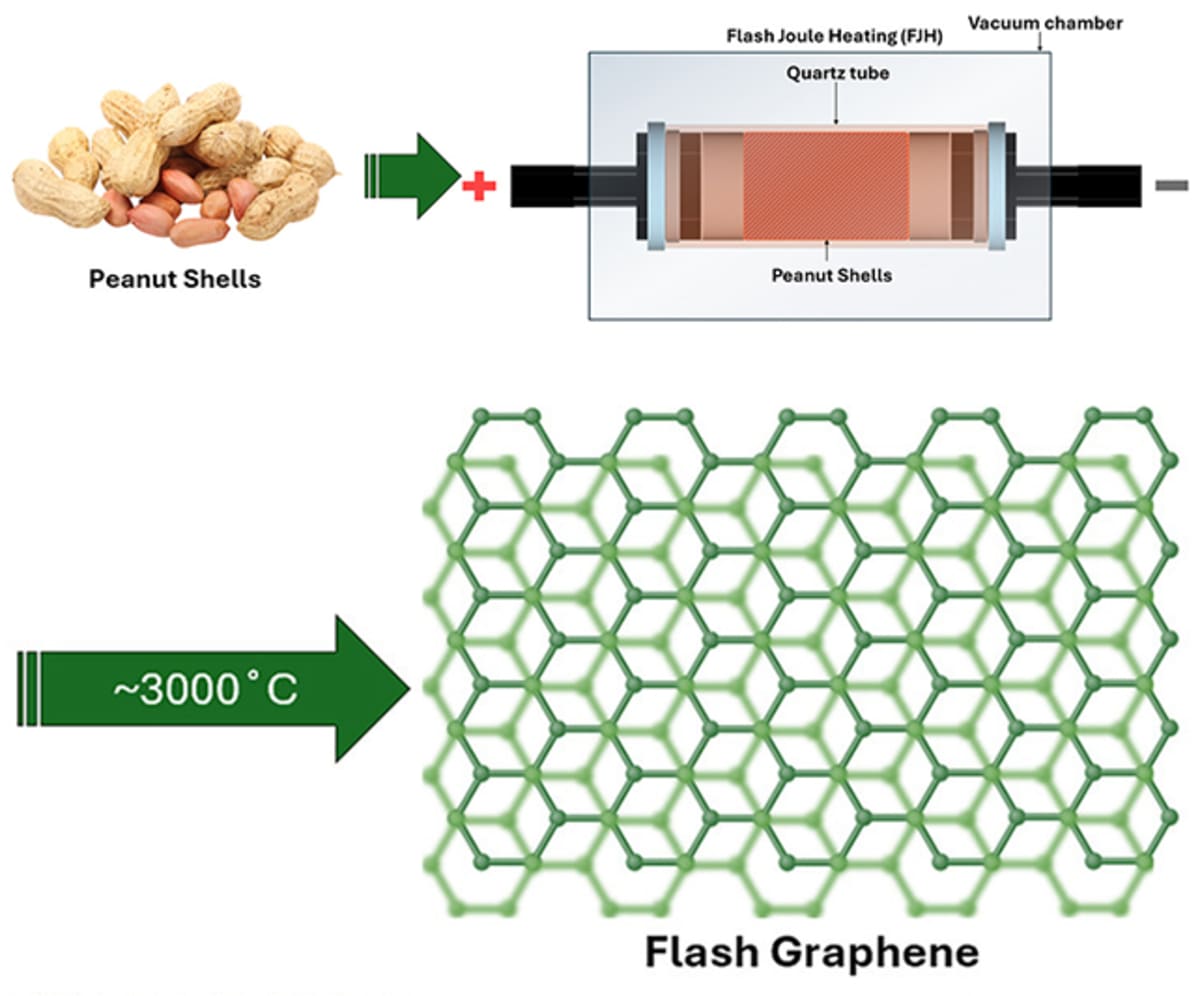
The team discovered that peanut shells are packed with lignin, a natural polymer loaded with carbon. By preparing the shells just right and then blasting them with a flash of electricity called flash joule heating, they can rearrange the carbon atoms into graphene structures.
The heating process reaches temperatures over 3,000 degrees Celsius, but only for milliseconds. This instant blast cooks the shells into high-quality graphene without using any harsh chemicals.
"Most of the waste from the shell is either discarded or recycled into low-value applications that don't maximize their full potential," says UNSW mechanical engineer Guan Yeoh. His team proved that basic peanut shells can become premium graphene using much less energy than conventional methods.
The secret is in the preparation. The researchers tested several approaches and found that heating the shells at 500 degrees Celsius for five minutes first removes impurities and creates char, a carbon-rich material that conducts electricity well. This crucial step ensures the final graphene has minimal defects and the single-layer atomic structure that gives it superior properties.
The Ripple Effect spreads far beyond peanut farming. Graphene could revolutionize consumer electronics, improve energy storage systems, and transform data technology. Making it cheaper and more sustainable means these innovations can reach more people faster.
The team isn't stopping with peanuts either. They're already planning experiments with coffee grounds, banana peels, and other organic waste that could follow the same process from trash to high-tech material.
The technique needs three to four years before it's ready for commercial production. But the lab results show promise for balancing energy efficiency, graphene quality, and economic viability.
Turning agricultural waste into one of the world's most advanced materials represents the kind of creative problem-solving our planet needs. It's proof that solutions to our biggest challenges might be hiding in the most unexpected places.
More Images

Based on reporting by Google News - Scientists Discover
This story was written by BrightWire based on verified news reports.
Spread the positivity!
Share this good news with someone who needs it