Scientists Turn Baker's Yeast Into 3D-Printed Wallpaper
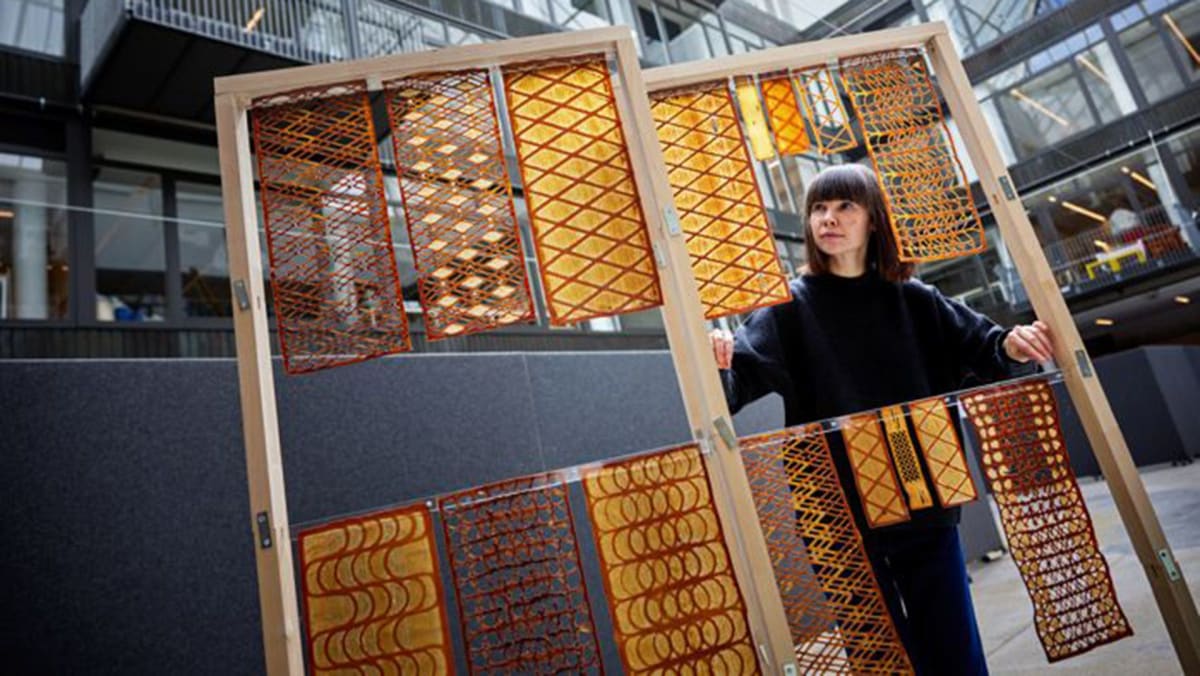
Swedish researchers have created eco-friendly building material from baker's yeast that can be 3D-printed into wall panels, room dividers, and light-filtering screens. The biodegradable innovation could replace plastic-heavy interior products while using waste from brewing and agriculture.
The same yeast that makes your bread rise could soon decorate your walls, thanks to a breakthrough from Swedish scientists who've transformed this humble ingredient into sustainable building material.
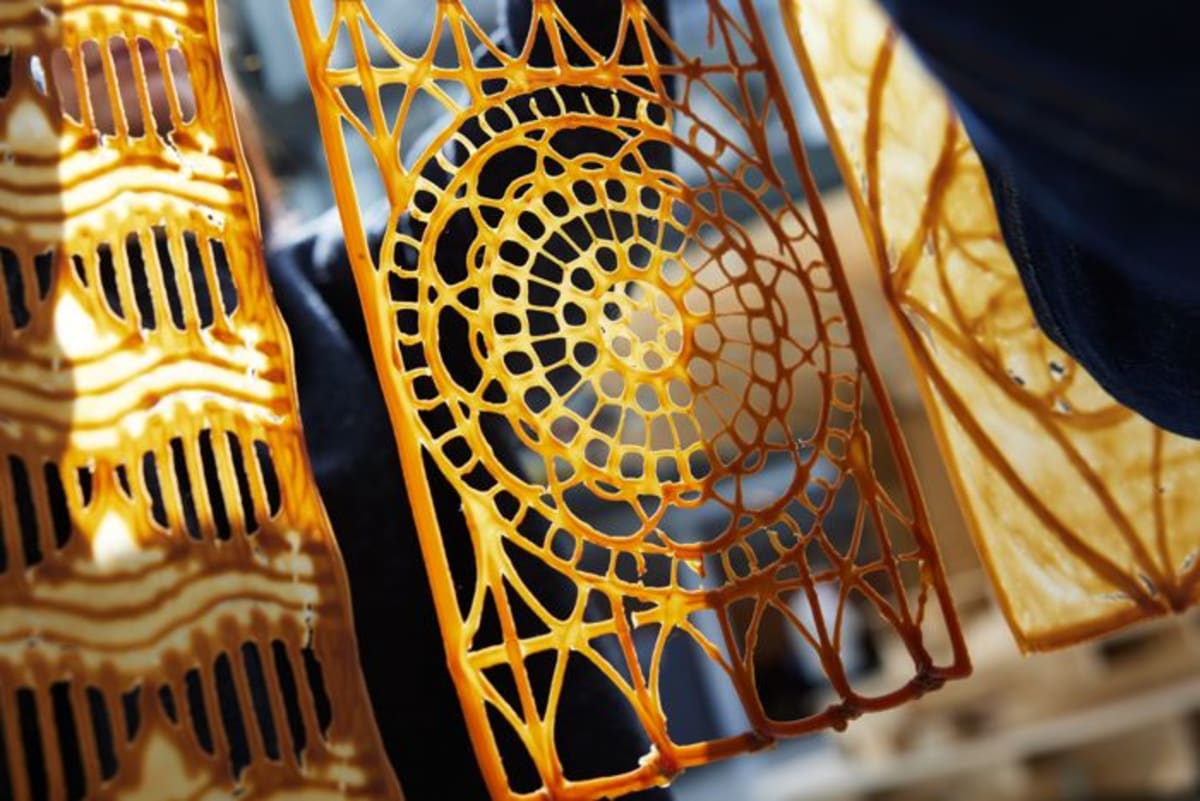
Professor Malgorzata Zboinska and her team at Chalmers University of Technology mixed deactivated baker's yeast with wood cellulose, algae gel, plant sugars, and water to create a printable paste. The result? A lightweight, moldable material that dries at room temperature into panels, screens, and decorative pieces perfect for modern interiors.
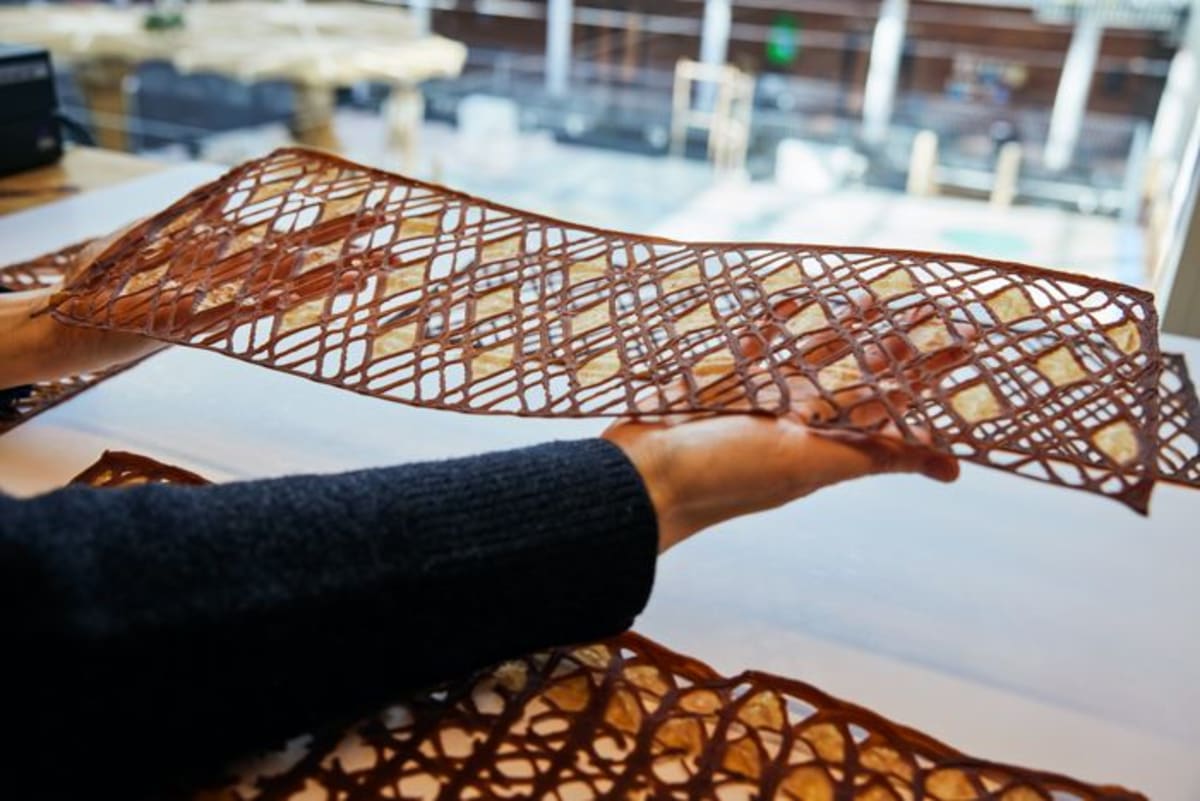
The magic happens through simple 3D printing that requires no energy-intensive heating or extra support structures. After printing, the pieces dry naturally as water evaporates, transforming the soft gel into a stable solid with the tensile strength of fruit leather. While that might not sound impressive, it's exactly what's needed for non-structural interior products like wallpaper, drapes, and room dividers.
The researchers discovered something fascinating about how yeast behaves in the mixture. When yeast cells stay intact, they act as filler, adding volume to the material. But when deactivated through heating, they release internal components that bind everything together like natural glue.
By tweaking the recipe and printing patterns, the team can customize the material's color, texture, and how much light passes through. Their prototypes filter anywhere from 5.6% to 31.6% of light, making them ideal for creating soft, natural lighting in living spaces.
The Ripple Effect
The construction industry devours massive amounts of raw materials and energy, making innovations like this particularly valuable. Unlike concrete, plaster, or petroleum-based plastics that dominate interior design, this yeast material could eventually use industrial leftovers from breweries and farms that would otherwise go to waste.
Timothy Long, a professor at Arizona State University's Biodesign Center, notes that even without perfect recycling systems, biomaterials like this offer environmental advantages. "If biomaterials remain in a biological environment, their decomposition products are more likely to be safer to humans and safer for the Earth," he explained.
The material isn't ready to replace steel beams or concrete foundations. Instead, it targets the fossil fuel-derived products currently used in interior decorating, synthetic tiles, plastic panels, and artificial fabrics that fill our homes and offices.
The team's vision extends beyond just creating a new product. They're demonstrating how circular design thinking, combining renewable resources with digital fabrication, can transform waste streams into beautiful, functional materials. Breweries produce tons of leftover yeast, and agricultural processes generate similar organic waste that could fuel this technology at scale.
This breakthrough shows how rethinking everyday ingredients can lead to extraordinary solutions for our planet's future.
More Images

Based on reporting by Live Science
This story was written by BrightWire based on verified news reports.
Spread the positivity!
Share this good news with someone who needs it