Scientists Turn Biodiesel Waste Into Clean Hydrogen Fuel
German researchers have discovered how to transform glycerol, a waste product from biodiesel production, into valuable hydrogen fuel and industrial chemicals without releasing any carbon dioxide. The breakthrough could help replace petroleum-based processes that currently pump massive amounts of CO₂ into our atmosphere.
Scientists at Johannes Gutenberg University Mainz just figured out how to turn trash into treasure while helping save the planet.
The team developed a new method to convert glycerol, the sludgy byproduct left over from making biodiesel, into two valuable materials: hydrogen fuel for vehicles and formate for chemical manufacturing. The process runs entirely on renewable electricity and produces zero carbon emissions.
Professor Carsten Streb, who led the research published in Advanced Energy Materials, explains the significance. "Processes which currently require considerable amounts of petroleum or natural gas could in future be operated using sustainable electricity," he says.
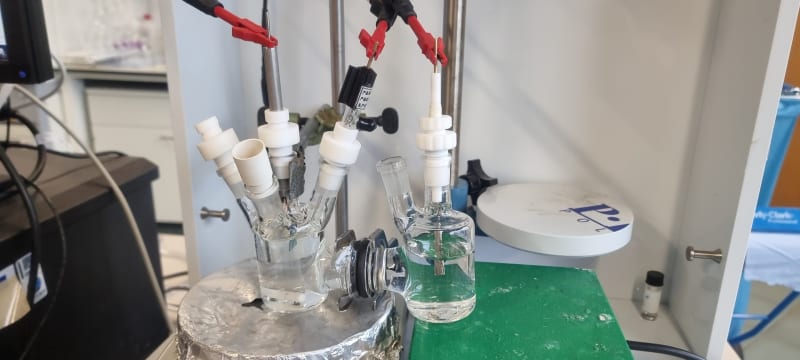
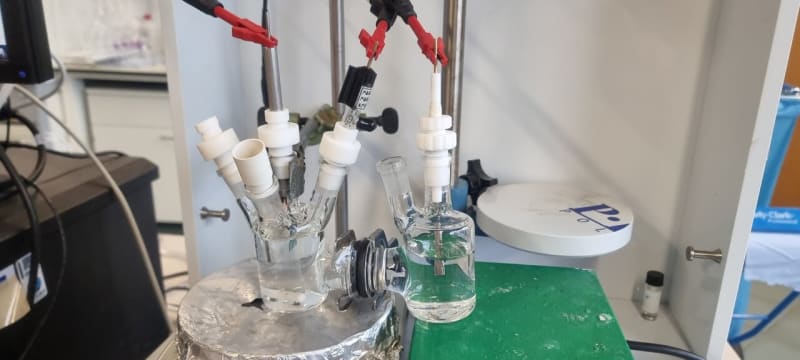
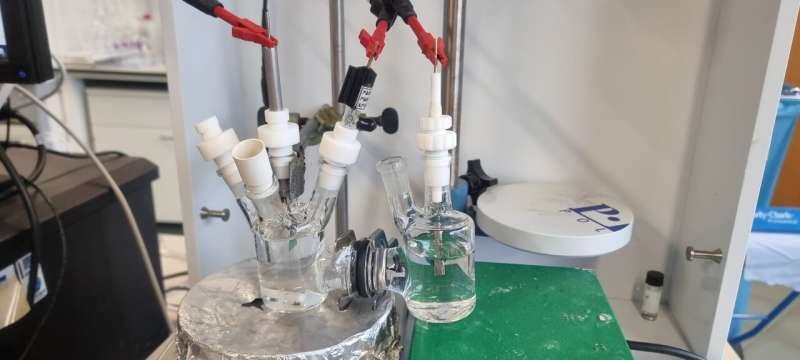
The innovation builds on water electrolysis, the established technique of using electricity to split water into hydrogen and oxygen. But the researchers added a clever twist by introducing glycerol into the mix, creating formate instead of oxygen as the second product.
That matters because formate is currently made from petroleum through processes that release huge amounts of CO₂. Running the new process on green electricity makes it completely carbon neutral.
The secret lies in a new catalyst the team engineered that combines copper and palladium at the molecular level. This tiny innovation allows the system to break down glycerol's three-carbon structure into single-carbon formate molecules efficiently.
The breakthrough addresses a real problem. Biodiesel production generates enormous quantities of glycerol waste, while industries continue burning fossil fuels to make the exact chemicals this waste could provide.
The Ripple Effect
The implications extend beyond just one process. Streb's team is already exploring ways to replace the expensive palladium in their catalyst with more abundant metals, making the technology even more accessible.
They're also working on converting formate into methanol through a second electrolysis step. Since global demand for methanol far exceeds formate, this could multiply the environmental impact significantly.
Researchers at Taiwan's National Taiwan University of Science and Technology contributed theoretical models that helped the team understand exactly how their catalyst works. That knowledge makes future improvements more predictable and faster to develop.
The timing couldn't be better. As industries worldwide search for ways to cut carbon emissions, electrifying chemical production using renewable energy represents one of the most promising paths forward.
This breakthrough shows how creative thinking can transform environmental challenges into opportunities, turning waste streams into valuable resources while cleaning up our air.
More Images

Based on reporting by Phys.org
This story was written by BrightWire based on verified news reports.
Spread the positivity!
Share this good news with someone who needs it