Scientists Turn CO₂ Into Fuel Using Sunlight and Iron
Researchers have created a breakthrough catalyst that converts carbon dioxide into usable fuel using only sunlight, potentially transforming how we fight climate change. By precisely arranging individual metal atoms, they increased fuel production up to 44 times compared to existing methods.
Scientists in South Korea just discovered how to turn the greenhouse gas warming our planet into clean fuel, and it works like artificial photosynthesis powered by the sun.
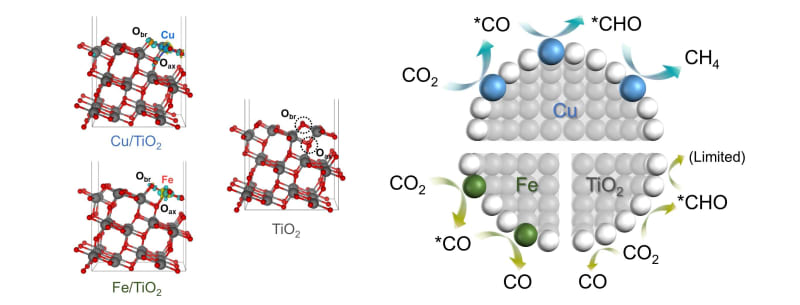
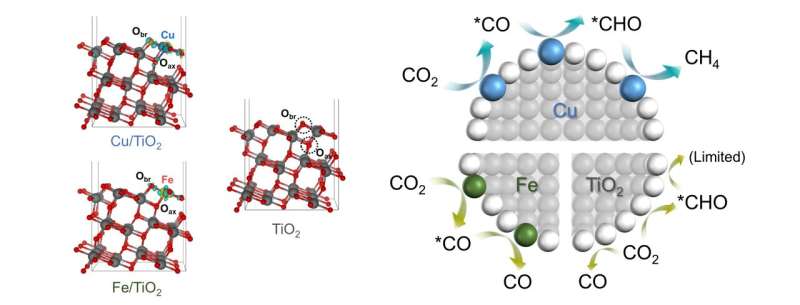
A team at Daegu Gyeongbuk Institute of Science and Technology figured out how to convert carbon dioxide into fuels like methane and ethane by designing catalysts at the atomic level. The secret lies in placing individual iron or copper atoms on titanium dioxide surfaces with extreme precision.
The results surprised even the researchers. When they used iron atoms, carbon monoxide production jumped 55.7 times higher than conventional systems. Copper atoms performed even better, boosting hydrocarbon fuel production by 44.5 times when exposed to light.
Professor Su-Il In and his team didn't just stumble onto this discovery. They used advanced imaging and theoretical calculations to understand exactly how different metal atoms change the electronic structure inside catalysts. This knowledge let them control which products the reaction creates.
The copper version works particularly well because it creates tiny spots on the catalyst surface where oxygen atoms are removed. These spots become perfect locations for carbon atoms to link together, forming the longer chain molecules needed for useful fuels.
Think of it like having a recipe where changing one ingredient completely transforms the final dish. Here, swapping iron for copper shifts the reaction from producing simple carbon monoxide to creating complex hydrocarbon fuels that power vehicles and machinery.
The Ripple Effect
This breakthrough offers something the world desperately needs: a way to simultaneously reduce atmospheric CO₂ while creating clean energy. Traditional carbon capture just stores the greenhouse gas, but this technology transforms it into resources we can actually use.
The timing couldn't be better. As countries race toward carbon neutrality, technologies that convert waste CO₂ into valuable products become game changers. Solar-powered carbon conversion could one day help industries turn their emissions into their fuel supply.
What makes this research truly special is the roadmap it provides. Scientists now have clear design guidelines for building catalysts that produce specific fuels on demand. It's like having a blueprint that works at the scale of individual atoms.
The team used single-atom catalysts, where metal atoms sit individually rather than clumped together. This isolation gives scientists unprecedented control over how electrons move during chemical reactions, which determines what products form.
Professor In believes this approach will become a key strategy for addressing the climate crisis. His team's work proves that by controlling atomic-level interactions between metals and their supports, we can directly design the pathways that CO₂ reduction follows.
The study appears in the journal Advanced Science, where it's already drawing attention from researchers working on solar-driven carbon utilization technologies worldwide.
This isn't science fiction or a lab curiosity that will take decades to implement—it's peer-reviewed research showing practical results now, with clear paths forward for making the technology even better.
More Images



Based on reporting by Phys.org
This story was written by BrightWire based on verified news reports.
Spread the positivity!
Share this good news with someone who needs it