Scientists Turn Dirt Into Power for Underground Sensors
Researchers have created a fuel cell that uses soil microbes to generate electricity, potentially replacing batteries in underground sensors. The paperback-sized device works in wet or dry conditions and could transform sustainable farming technology.
Imagine a world where the dirt beneath our feet powers the technology that helps us grow food and protect the environment.
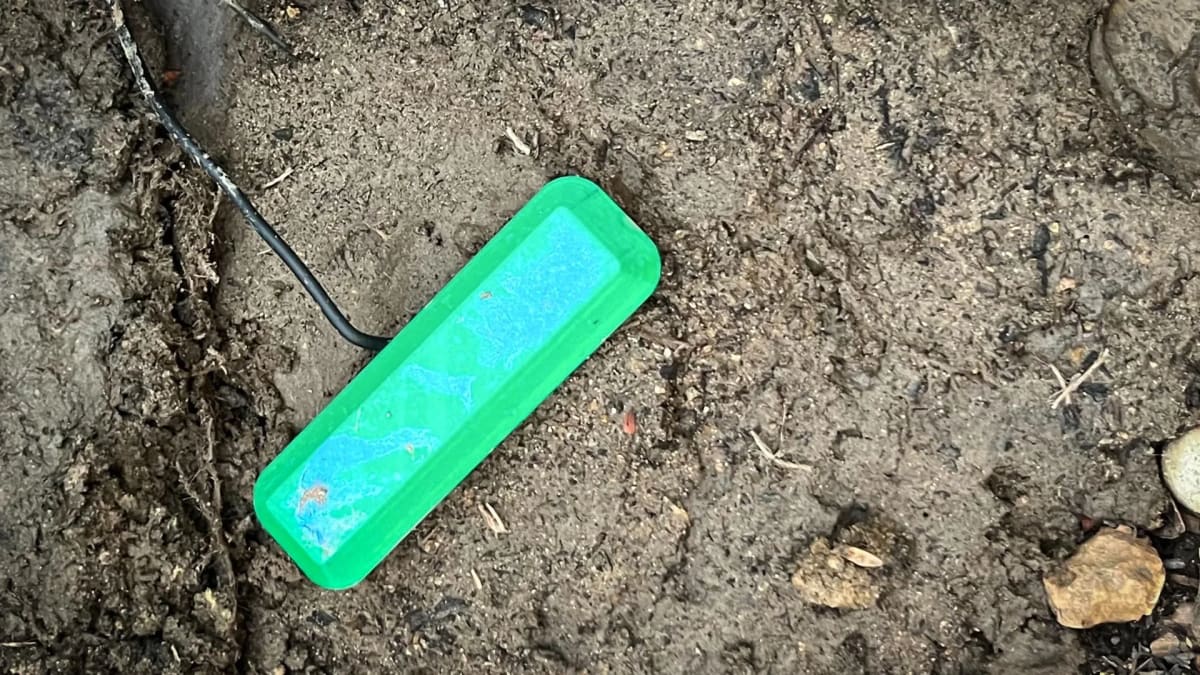
Scientists at Northwestern University just made that vision real. They've developed a fuel cell the size of a paperback book that generates electricity using microbes naturally living in soil. These tiny organisms break down organic material in dirt and release electrons that create a steady electric current.
The team put their invention to work powering underground sensors that measure soil moisture and detect touch. This touch-sensing ability could track wildlife movement across fields. The system even includes a small antenna that wirelessly sends data by reflecting existing radio signals, keeping energy use incredibly low.
The device proved resilient across challenging conditions. It worked in bone-dry soil and flooded environments alike, lasting 120% longer than similar technologies. The researchers published their designs, tutorials and simulation tools publicly so others can build on their breakthrough.
This matters because precision agriculture relies on vast networks of sensors constantly monitoring soil conditions. Farmers use this data to make smarter decisions and boost crop yields. But powering those sensors has always been a headache. Batteries die and replacing them across a 100-acre farm is impractical. Solar panels get dirty, need sunlight, and take up valuable space.
Traditional batteries also carry hidden costs beyond convenience. They contain toxic and flammable materials, depend on complex global supply chains, and add to mounting electronic waste. As the Internet of Things grows toward trillions of devices, we simply can't build them all from lithium and heavy metals.
The secret lies in geometry. Unlike earlier microbial fuel cells that struggled with reliability since 1911, this new design positions the anode and cathode perpendicular instead of parallel. The anode uses carbon felt, an inexpensive and abundant material, to capture electrons from microbes. This simple shift solved the moisture and oxygen challenges that plagued previous versions.
The Ripple Effect
The implications stretch far beyond individual farms. As long as organic carbon exists in soil for microbes to break down, the fuel cell can potentially run forever without maintenance or replacement. This opens doors for sustainable environmental monitoring in wetlands, forests, and remote areas where battery swaps are impossible.
The researchers aren't claiming this will power entire cities. But they've proven we can capture tiny amounts of energy to fuel practical, low-power applications exactly where we need them. The microbes doing the work are already everywhere, waiting to be harnessed by simple engineered systems.
After two years testing four different designs and collecting nine months of performance data, the team found a solution that turns our planet's soil into a clean, renewable power source.
The future of sustainable technology might just be growing beneath our feet.
Based on reporting by Science Daily
This story was written by BrightWire based on verified news reports.
Spread the positivity!
Share this good news with someone who needs it