Scientists Turn Gut Viruses Into Precision Medicine Tools
Researchers discovered gut viruses can attach to human cells using molecular anchors, opening doors to targeted therapies for antibiotic-resistant infections. This breakthrough rewrites what we know about viruses living in our bodies.
Scientists just found something amazing hiding in plain sight inside our bodies: friendly viruses that could become the next generation of precision medicine.
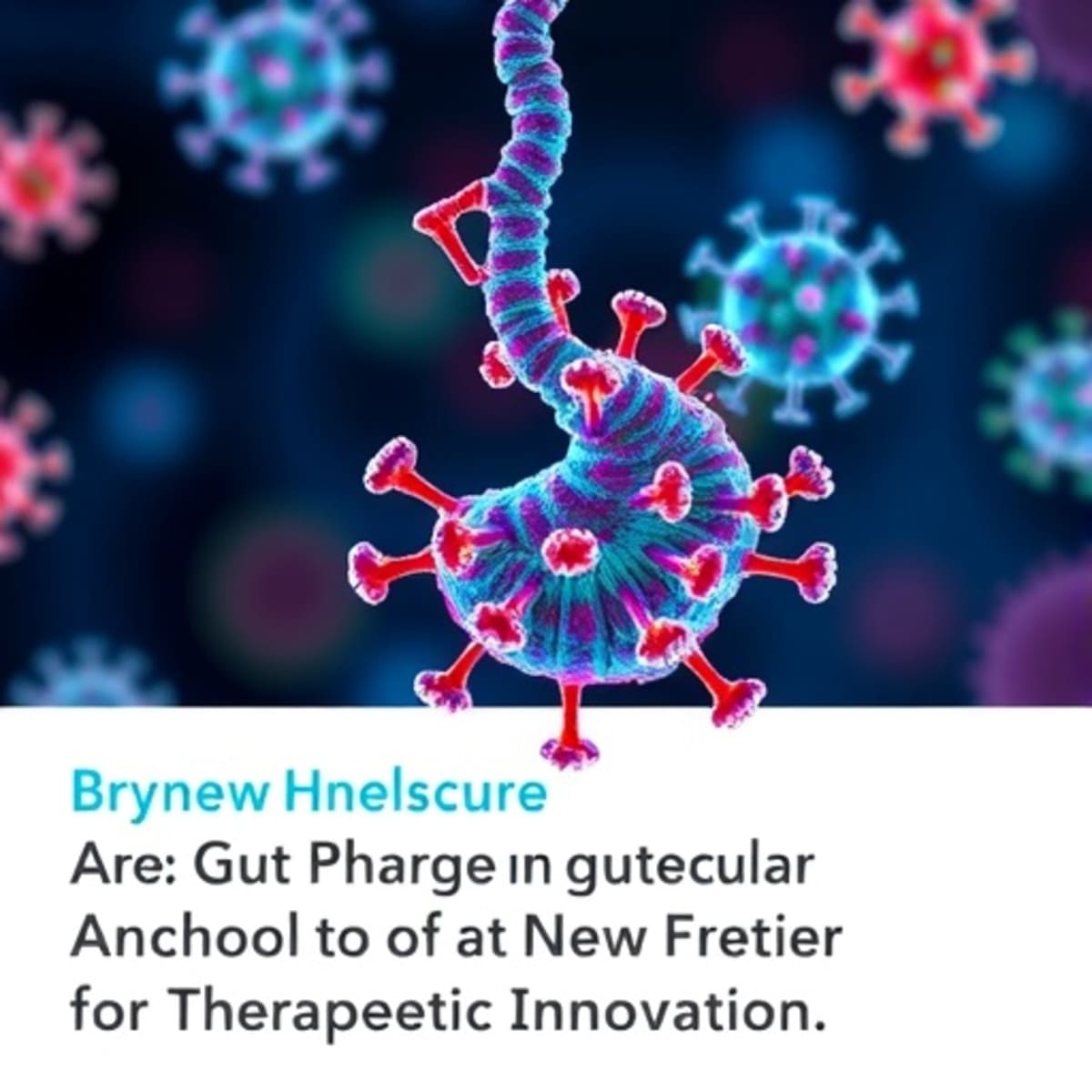
Researchers at Hungary's Biological Research Centre discovered that certain gut viruses called bacteriophages don't just float around attacking bacteria. They actually stick to human cells using specialized proteins that work like molecular anchors.
This changes everything we thought we knew about the trillions of viruses living in our digestive system. For years, scientists believed these viruses only interacted with bacteria, but it turns out they've been communicating with our cells all along.
The team found something even more exciting when they started experimenting. They took these molecular anchors and attached them to other viruses that normally get flushed out of the gut quickly. The engineered viruses suddenly became sticky, lasting much longer and working more effectively.
When these anchor-equipped viruses enter our cells, they travel to specific locations like the Golgi apparatus and endoplasmic reticulum. Unlike harmful viruses that get destroyed, these ones stay intact, suggesting they might be safely delivering important signals we're only beginning to understand.
Led by Bálint Kintses, the research team used advanced microscopy and genetic engineering to watch these interactions happen in real time. What they saw was remarkable: viruses navigating our gut's complex environment with precision, using their anchors to stay exactly where they could do the most good.
Why This Inspires
This discovery opens up a whole new approach to fighting infections that antibiotics can't touch anymore. Imagine engineering therapeutic viruses that seek out dangerous bacteria and stick around long enough to eliminate them completely, all without harming beneficial gut bacteria.
The implications go beyond just treating infections. These molecular anchors appear in the most common and abundant viruses found in healthy people, suggesting they might actually contribute to keeping our guts balanced and working properly.
Scientists can now design custom viruses with specific adhesion properties, essentially creating microscopic delivery vehicles that know exactly where to go. This could revolutionize how we treat everything from gut infections to inflammatory diseases.
The best part? These helpful viruses are already living inside us, doing their work quietly and efficiently. We're just now learning their language and figuring out how to harness their natural abilities for healing.
This breakthrough shows that even in the most studied parts of human biology, there are still wonderful surprises waiting to be discovered.
More Images


Based on reporting by Google News - Innovation Technology
This story was written by BrightWire based on verified news reports.
Spread the positivity!
Share this good news with someone who needs it