Scientists Turn Methane Into Clean Fuel Using Lightning
Researchers at Northwestern University created a breakthrough "bubble reactor" that uses miniature lightning bolts to transform methane into clean-burning methanol in a single step. The innovation could slash carbon emissions from fuel production while capturing harmful methane leaks.
Scientists just figured out how to bottle lightning, and it might help solve one of our biggest climate challenges.
A team at Northwestern University developed a reactor that uses tiny electrical pulses like miniature lightning bolts to convert natural gas into methanol, a cleaner-burning fuel than gasoline or diesel. The breakthrough transforms a messy, energy-intensive industrial process into something remarkably simple.
Traditional methanol production is anything but clean. Factories heat steam to 800 degrees Celsius to break apart methane molecules, then squeeze the pieces back together under crushing pressure to form methanol. The process releases millions of tons of carbon dioxide every year while gobbling up enormous amounts of energy.
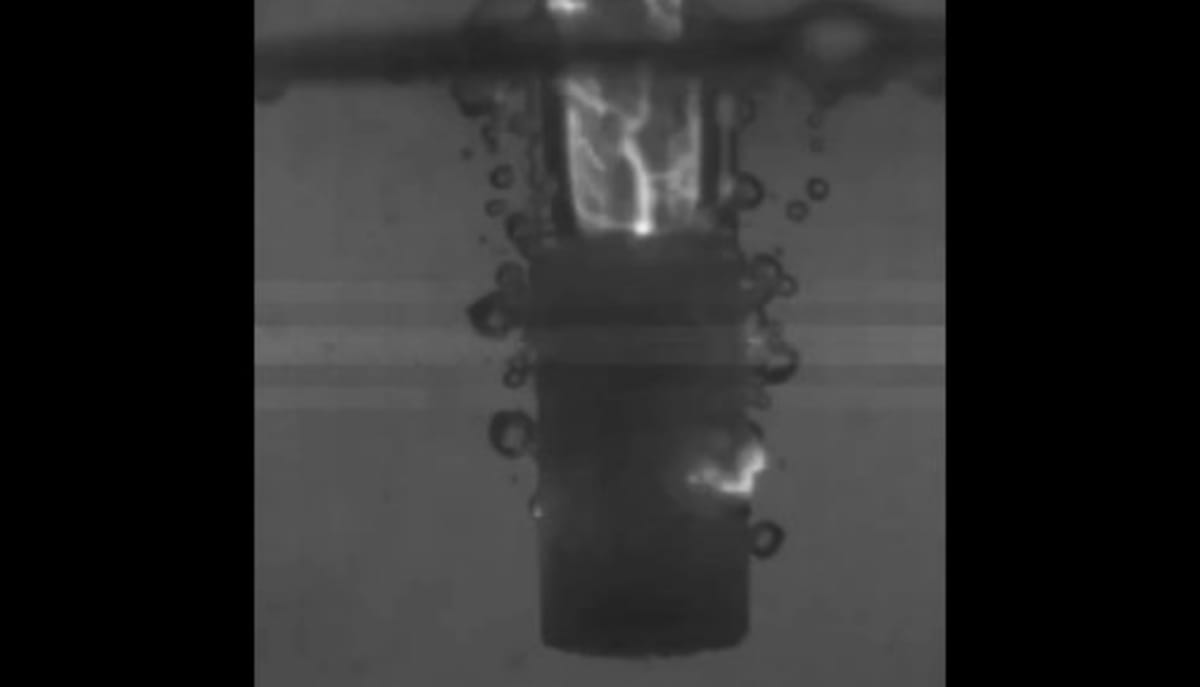
The new approach ditches all that heat and pressure. Instead, methane flows through a glass tube coated with copper oxide while electricity zaps it with controlled plasma bursts at room temperature. Those mini lightning strikes shatter the methane into reactive fragments that immediately recombine as methanol, which water in the reactor captures before it can break down.
"We're taking advantage of that chemistry to break methane's bonds without heating the entire system to extreme temperatures," said co-author Dayne Swearer, describing how the team harnesses the same energy that powers thunderstorms and the sun, just in a much cooler form.
The researchers added a clever twist by including argon gas. Normally inert, argon becomes reactive when electrified in plasma, boosting the process efficiency. The result? A liquid that's 96.8% methanol, with useful byproducts like hydrogen fuel and ethylene for plastic production mixed in.
The Ripple Effect
Beyond cleaner fuel production, this technology could tackle methane leaks that companies currently burn off as waste. Smaller, portable reactors could capture those leaks at the source and transform them into valuable methanol instead of carbon dioxide.
The streamlined process requires far less infrastructure than traditional methanol plants. That means smaller facilities could pop up wherever they're needed, rather than requiring massive industrial complexes.
Methanol already shows promise as a transportation fuel because it produces far fewer harmful particles and sulfur emissions than gasoline. Making it cleanly just removed a major obstacle to wider adoption.
The team is now working on efficiently separating pure methanol from their reactor's output, bringing this laboratory success one step closer to real-world application.
Sometimes the best solutions come from looking at old problems in completely new ways, turning a greenhouse gas into the clean fuel of tomorrow.
Based on reporting by Google News - Renewable Energy Breakthrough
This story was written by BrightWire based on verified news reports.
Spread the positivity!
Share this good news with someone who needs it