Scientists Turn Orange Peels Into Biodegradable Plastic
Researchers worldwide are transforming food waste and natural materials into plastics that actually break down in nature. From orange peels to chicken feathers, these innovations could replace up to 90% of fossil-based plastics.
What if the orange you ate this morning could become your next grocery bag, one that dissolves in seawater without leaving toxic microplastics behind? Scientists around the world are making that vision real.
Researchers led by Takuzo Aida have created a shopping bag made from cellulose, a natural plant material, that completely dissolves in ocean water within hours. Unlike the five trillion plastic bags used globally each year, these bags leave no microplastics to harm marine life or damage ecosystems.
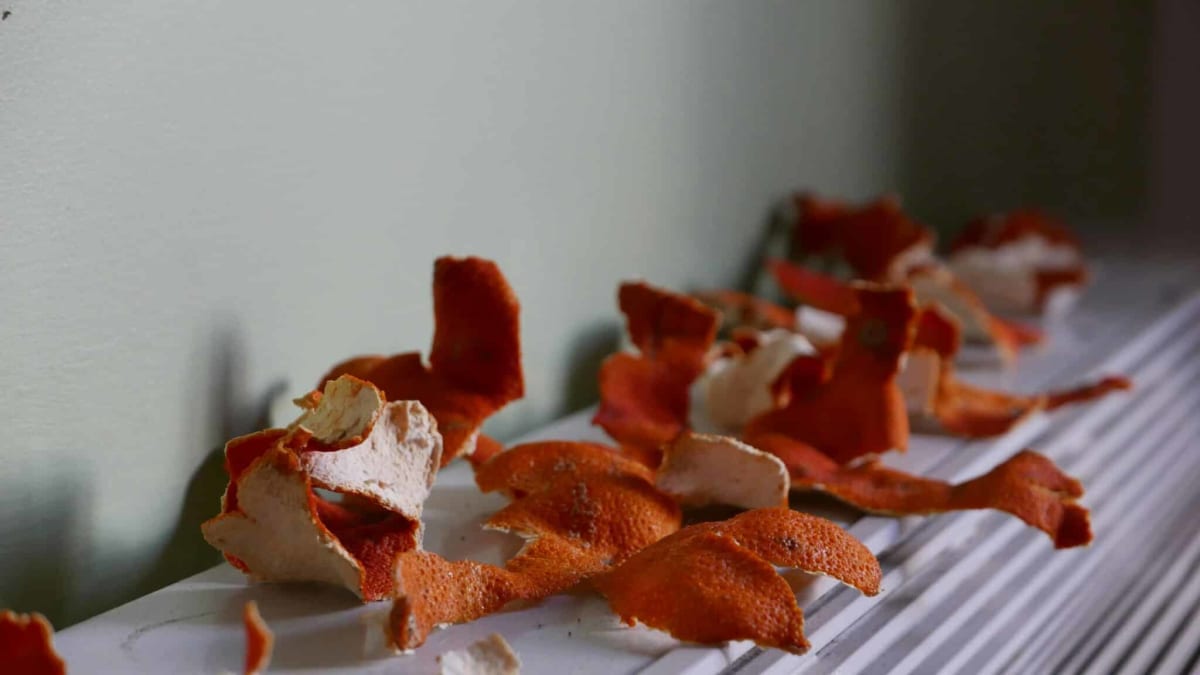
The innovations don't stop there. Scientists are discovering that materials we normally throw away can become tomorrow's sustainable packaging. Orange peels, packed with natural cellulose, can be pulverized and combined with other materials to create a bioplastic that breaks down naturally in just four months.
Chicken feathers from the poultry industry are getting a second life too. The UNLOCK project extracts keratin protein from discarded feathers to create durable, biodegradable plastic alternatives while reducing landfill waste. Rice husks, another agricultural waste product, are being converted into bioplastics that reduce human health impacts by 82% compared to burning them in open air.
Perhaps the most surprising source? Black soldier flies. These insects are already farmed for their larvae, and their protein-rich exoskeletons contain chitin, a biodegradable polymer perfect for making plastic. Using adult flies that would otherwise be discarded means no additional land or crops are needed.
The Bright Side
While these bioplastics aren't perfect solutions, they represent genuine progress toward a circular economy where one product's waste becomes another's raw material. The technology already exists to replace up to 90% of fossil-based plastics, though bioplastics currently make up less than 2% of all plastics produced.
Food waste conversion offers a double win. Instead of rotting in landfills and releasing methane, a powerful greenhouse gas responsible for 58% of emissions from U.S. municipal solid waste sites, food scraps rich in cellulose and starch can become useful products.
The challenges remain real. Growing crops specifically for bioplastics could strain land use and drive up food prices. Recycling facilities for bioplastics aren't widespread yet, and mixing certain bioplastics with traditional plastics can contaminate recycling streams. Scientists acknowledge that even bioplastics have environmental costs during their production and life cycle.
These innovations remind us that creative thinking and scientific progress are chipping away at the plastic problem one breakthrough at a time.
Based on reporting by Google News - Plastic Reduction
This story was written by BrightWire based on verified news reports.
Spread the positivity!
Share this good news with someone who needs it