Scientists Turn Plastic Bottles Into Edible Cookies
Researchers just 3D printed cookies from plastic waste using engineered yeast, opening new doors for tackling pollution while feeding people. NASA is already interested for future space missions.
Plastic waste might soon become the unlikely ingredient in your next snack. Scientists at Southern Illinois University Carbondale have successfully created edible cookies from recycled plastic bottles, proving that tomorrow's food solutions might come from today's trash.
The breakthrough uses specially engineered yeast that literally eats plastic. These microscopic helpers break down common plastics like water bottles into proteins, fats, and acids that humans can safely consume.
Here's how it works: researchers first treat plastic waste with heat, water, and oxygen to break it into smaller pieces. Then the engineered yeast goes to work, transforming those plastic bits into nutritious compounds that get mixed with fiber, starch, and sweetener before being fed into a 3D printer.
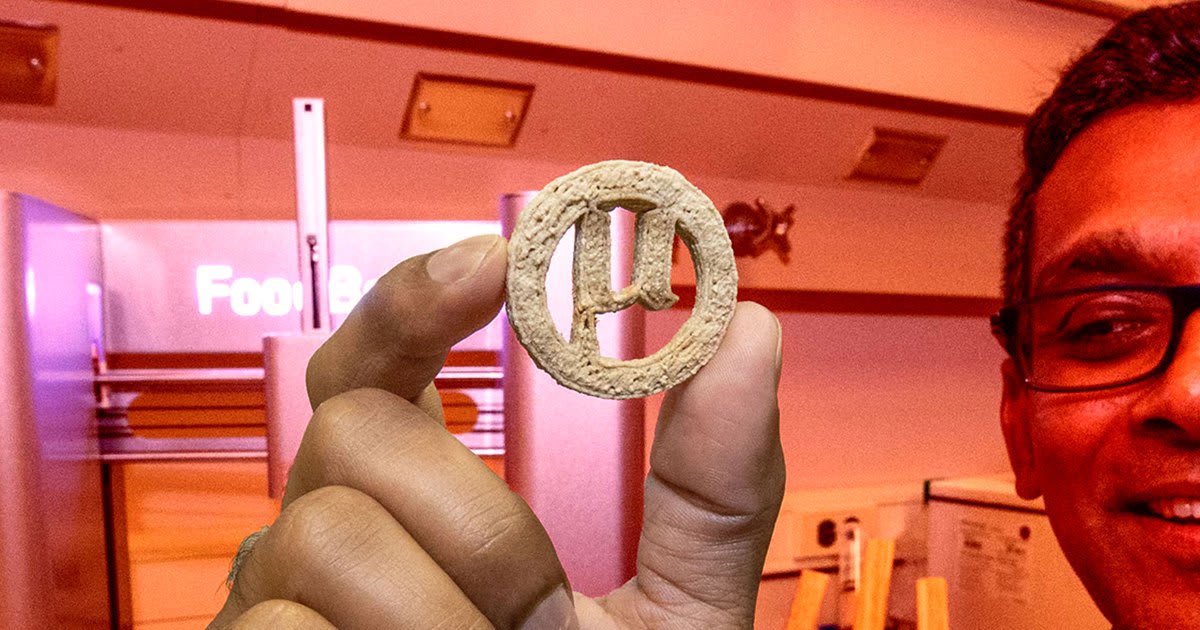
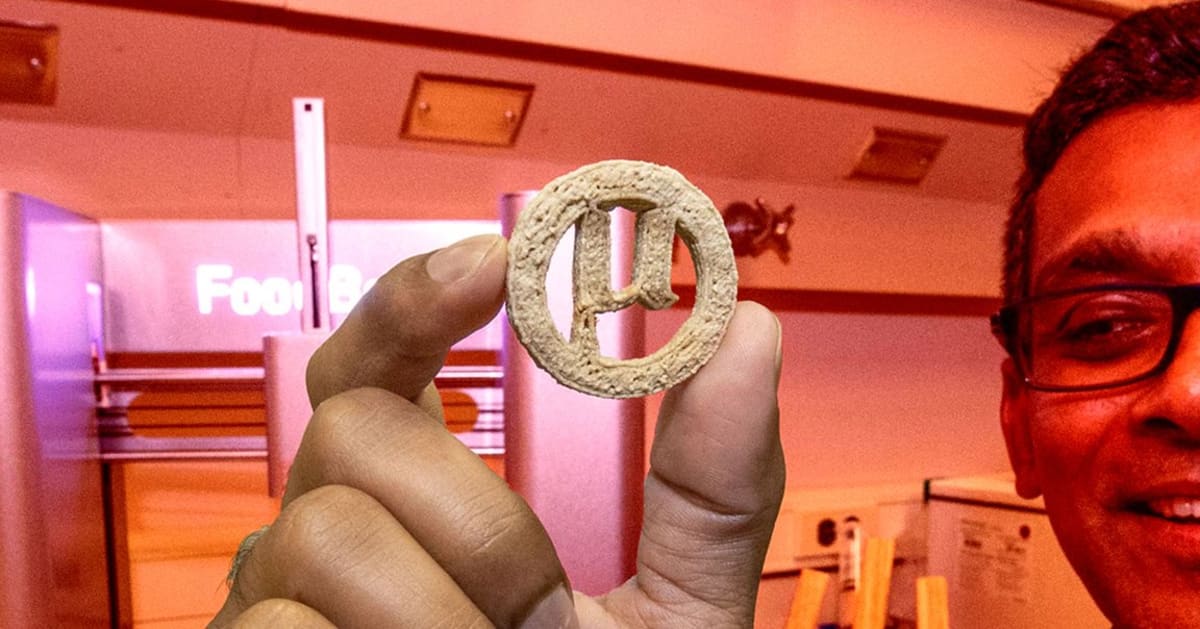
The team shaped their cookies into the Greek letter µ (mu), calling them "µBites." Lead researcher Lahiru Jayakody says they smell like real cookies, though they're still waiting for university approval before taking that first bite.
One yeast strain even produces vanilla flavoring from plant waste. The cookies contain everything you'd expect: proteins, fats, and carbohydrates, all derived from materials that would otherwise sit in landfills for centuries.
Why This Inspires
This innovation tackles two massive challenges at once. The world produces 400 million tons of plastic waste every year, while millions of people face food insecurity. Converting pollution into nutrition feels like science fiction becoming reality.
NASA has already taken notice, funding the research through its Deep Space Food Challenge. Astronauts on lengthy Mars missions could one day eat meals made from recycled materials, reducing the need to pack everything from Earth.
The technology isn't ready for your local grocery store yet. Right now, producing one kilogram of these cookies costs about $60. Some experts doubt we'll ever scale this to handle all the world's plastic waste.
But the proof of concept matters. The team used CRISPR gene editing to reprogram the yeast, showing that biotechnology can transform our relationship with waste. What was once garbage could become sustenance.
The cookies won't solve the plastic crisis alone, but they represent a shift in thinking. Instead of seeing waste as the end of the line, scientists are turning it into something valuable, nutritious, and yes, even tasty.
Progress starts with proving the impossible is actually possible.
More Images
Based on reporting by Futurism
This story was written by BrightWire based on verified news reports.
Spread the positivity!
Share this good news with someone who needs it