Scientists Turn Rust Into Better, Greener Batteries
German researchers have created batteries using rust-filled carbon spheres that are safer, more powerful, and easier to recycle than current lithium-ion technology. The breakthrough could make renewable energy storage both cleaner and more accessible.
Batteries powered by rust might sound like a bad idea, but German scientists just proved it could revolutionize how we store clean energy.
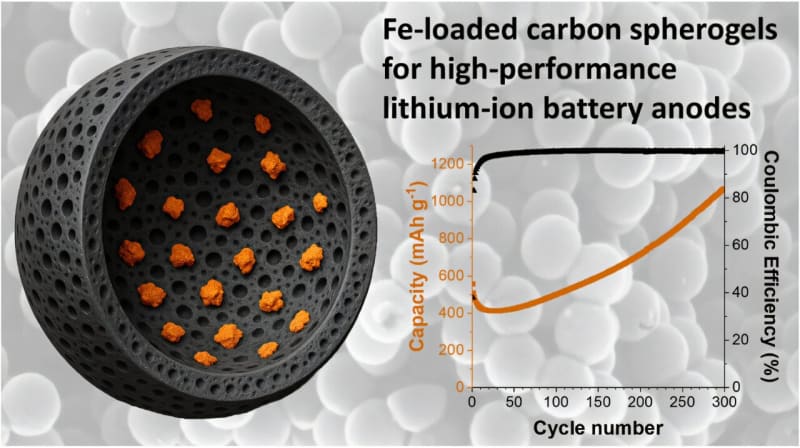
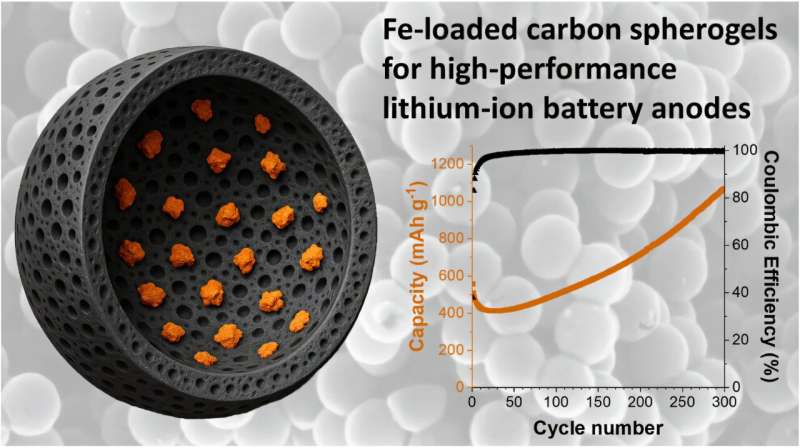
Researchers at Saarland University have developed a new battery material using iron oxide (commonly known as rust) packed inside tiny hollow carbon spheres. The result? Batteries that store more energy than conventional designs while avoiding toxic materials like cobalt and nickel.
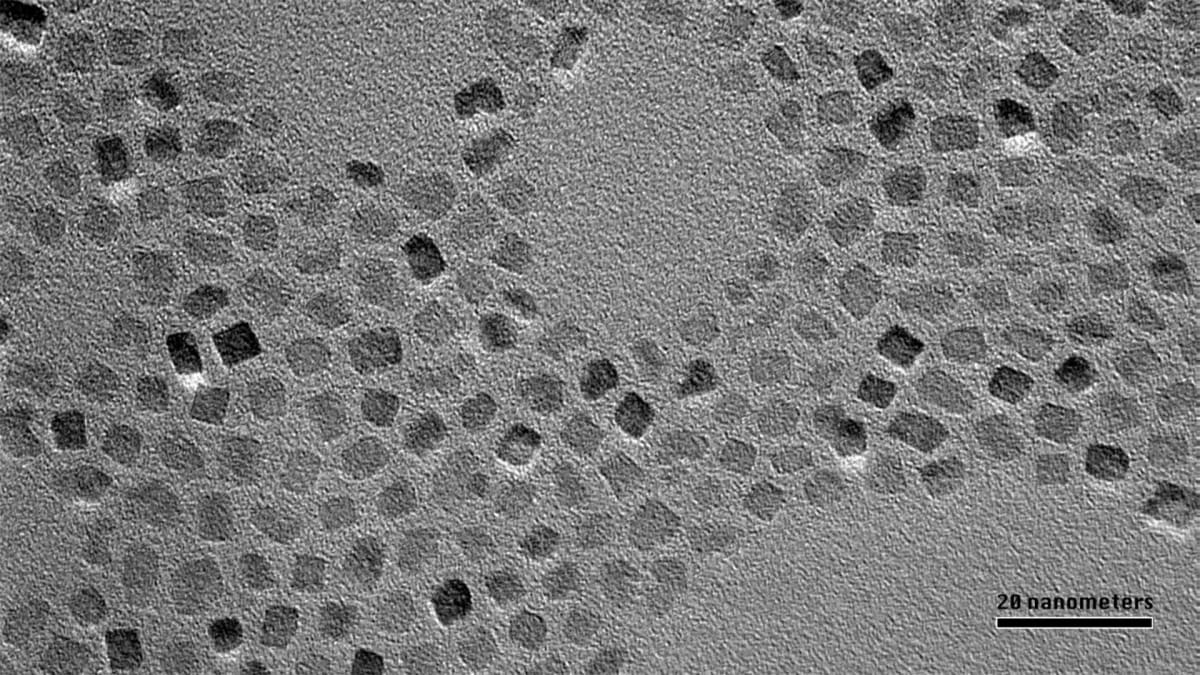
The carbon spheres, developed by researchers at the University of Salzburg, measure just 250 nanometers across. Think of them like microscopic chocolates with a hollow center that can be filled with different materials.
After initial tests with titanium dioxide showed limited storage capacity, materials scientist Stefanie Arnold and her team tried iron oxide. The choice made perfect sense: iron is abundant worldwide, easy to recycle, and theoretically offers high storage capacity.
The results exceeded expectations. The batteries actually got better with use, increasing their storage capacity over time as the metallic iron gradually converted to iron oxide. After about 300 charge-discharge cycles, the batteries reached their maximum capacity.
The Bright Side
This technology addresses two critical challenges at once. Current lithium-ion batteries rely on scarce materials like cobalt, often mined under problematic conditions, and use toxic solvents during manufacturing. The new rust-based approach uses abundant, environmentally friendly materials instead.
Professor Volker Presser, who leads the Energy Materials research department at Saarland University, sees huge potential for renewable energy storage. As solar and wind power expand globally, better battery technology becomes essential for storing that clean energy when the sun sets or the wind stops blowing.
The team isn't stopping with lithium-ion batteries either. They're already testing the materials for sodium-ion batteries, which Chinese automakers are beginning to adopt. The hollow carbon spheres can be filled with various substances, creating a versatile platform for multiple applications.
Arnold is also working on the EnFoSaar project to develop better battery recycling methods. Her goal is creating closed-loop material systems that minimize waste and resource consumption throughout the battery supply chain.
The technology still needs work before reaching industrial scale. The activation process needs to speed up so batteries reach full capacity faster, and researchers still need to develop a compatible cathode to complete the battery cell.
But the foundation is promising: safer materials, better performance, easier recycling, and a path toward truly sustainable energy storage.
More Images


Based on reporting by Phys.org - Technology
This story was written by BrightWire based on verified news reports.
Spread the positivity!
Share this good news with someone who needs it