Scientists Turn Traffic Jams Into Computers to Save Energy
Researchers in Japan discovered how to use real city traffic as a computing system, potentially slashing the massive energy costs of artificial intelligence. The breakthrough could transform roads into giant, self-powered computers.
Your morning commute might soon be doing double duty as a supercomputer.
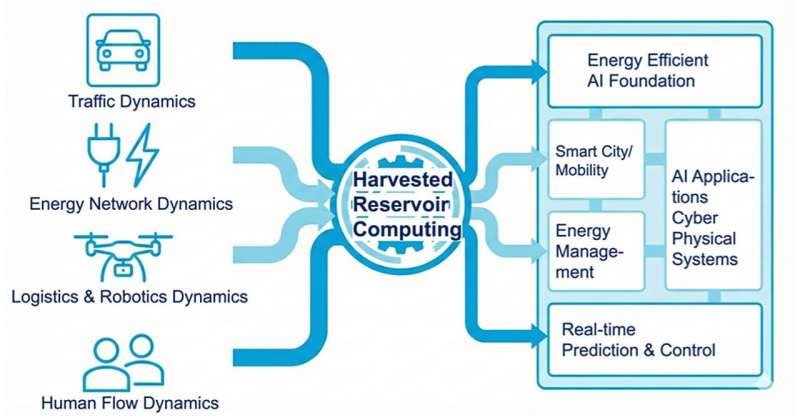
Scientists at Tohoku University have found a way to harness the natural flow of traffic on city streets to power artificial intelligence systems. Instead of building more energy-hungry data centers, their "Harvested Reservoir Computing" approach treats the movement of cars itself as a computational resource.
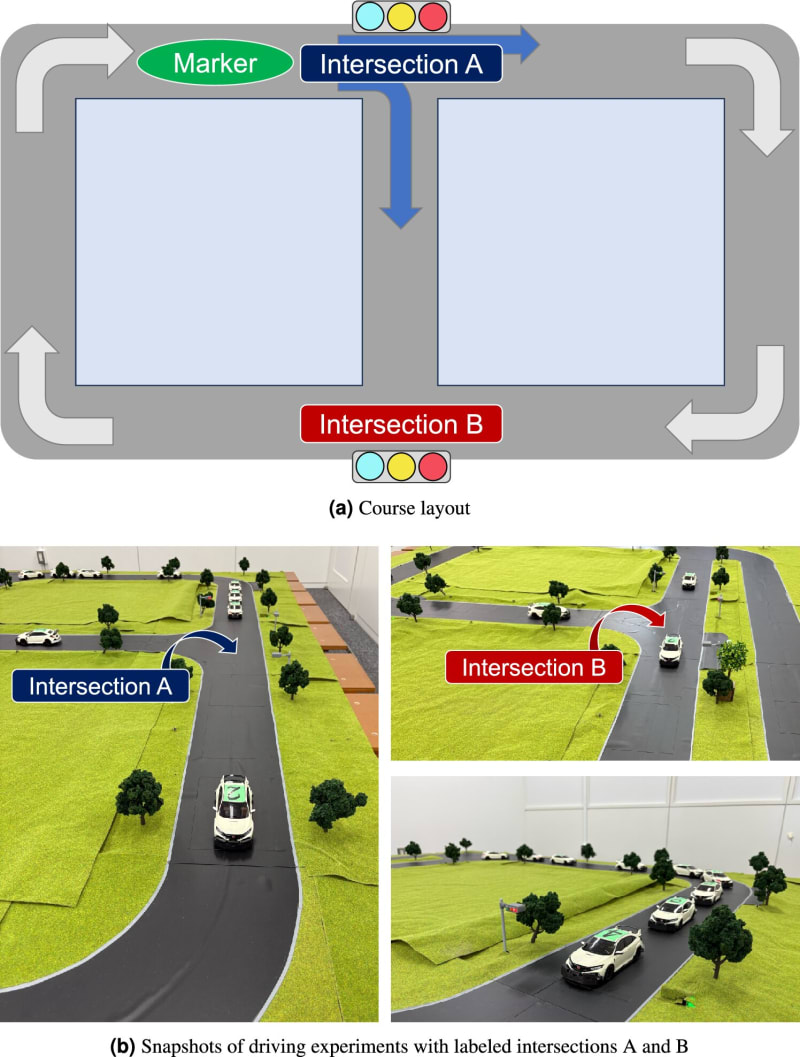
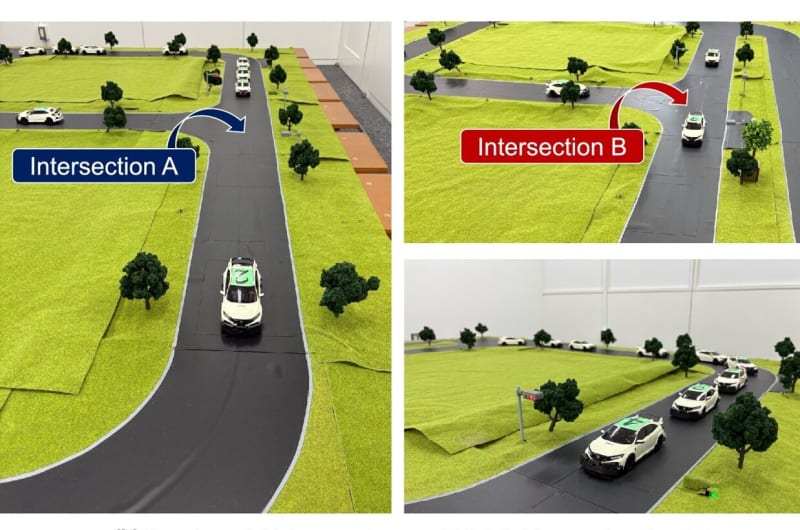
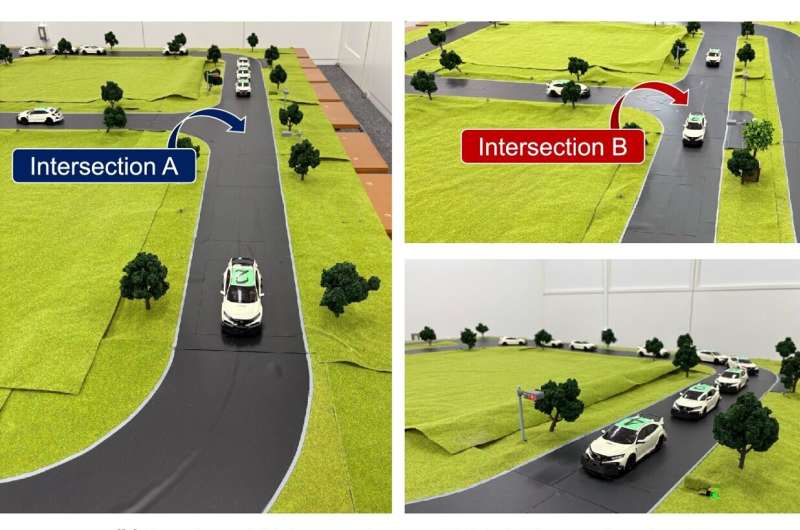
The concept sounds like science fiction, but the team proved it works using tiny autonomous cars on a miniature road network. They discovered something surprising: traffic works best as a computer not when roads are empty or completely gridlocked, but right at that sweet spot just before congestion hits.
At that critical density, traffic flow becomes incredibly dynamic and information-rich. The system naturally processes incoming data about movement patterns, making it possible to predict future traffic conditions with impressive accuracy.
Here's what makes this exciting. Traditional AI systems for traffic prediction require massive computing power and gulp enormous amounts of electricity. This new method needs no specialized hardware at all. It simply taps into sensors and cameras already installed on roads, turning existing infrastructure into a vast, always-on computing network.
Professor Hiroyasu Ando, who led the research published in Scientific Reports, sees this as just the beginning. "Computation does not have to be confined to silicon chips," he explains. "By recognizing and harnessing the rich dynamics already present in our environment, we may build AI systems that are both powerful and sustainable."
The implications stretch far beyond traffic lights. The same principle could apply to smart city planning, energy grid management, and adaptive transportation systems. Any physical system with complex, flowing dynamics could potentially be "harvested" for computational power.
The Ripple Effect
This breakthrough challenges how we think about artificial intelligence itself. Instead of endlessly building bigger, more power-hungry server farms, we might integrate the physical world directly into our computing systems. Cities could become living computers, using the energy already spent on daily activities to power the intelligence managing those same activities.
The environmental benefits could be substantial. AI and machine learning currently consume staggering amounts of electricity. Data centers worldwide use about 1% of global electricity, with projections climbing as AI expands. A shift toward harvesting computation from existing systems could dramatically reduce that footprint while making cities smarter and more responsive.
For urban residents, this could mean better traffic flow, optimized signal timing, and reduced congestion without any new infrastructure costs. The roads you drive on every day might soon be thinking right alongside you, making your commute smoother while saving the planet a little energy.
The future of computing might not be in a lab, but already flowing through the streets outside your window.
More Images
Based on reporting by Phys.org - Technology
This story was written by BrightWire based on verified news reports.
Spread the positivity!
Share this good news with someone who needs it