Scientists Unite to Stop ALS Before Symptoms Start
University of Miami researchers are pioneering a radical shift in ALS research: preventing the disease years before it strikes. Their work on early biomarkers could transform how we fight Alzheimer's, dementia, and other brain diseases too.
Scientists at the University of Miami are moving beyond treating ALS to something more ambitious: stopping it before it starts.
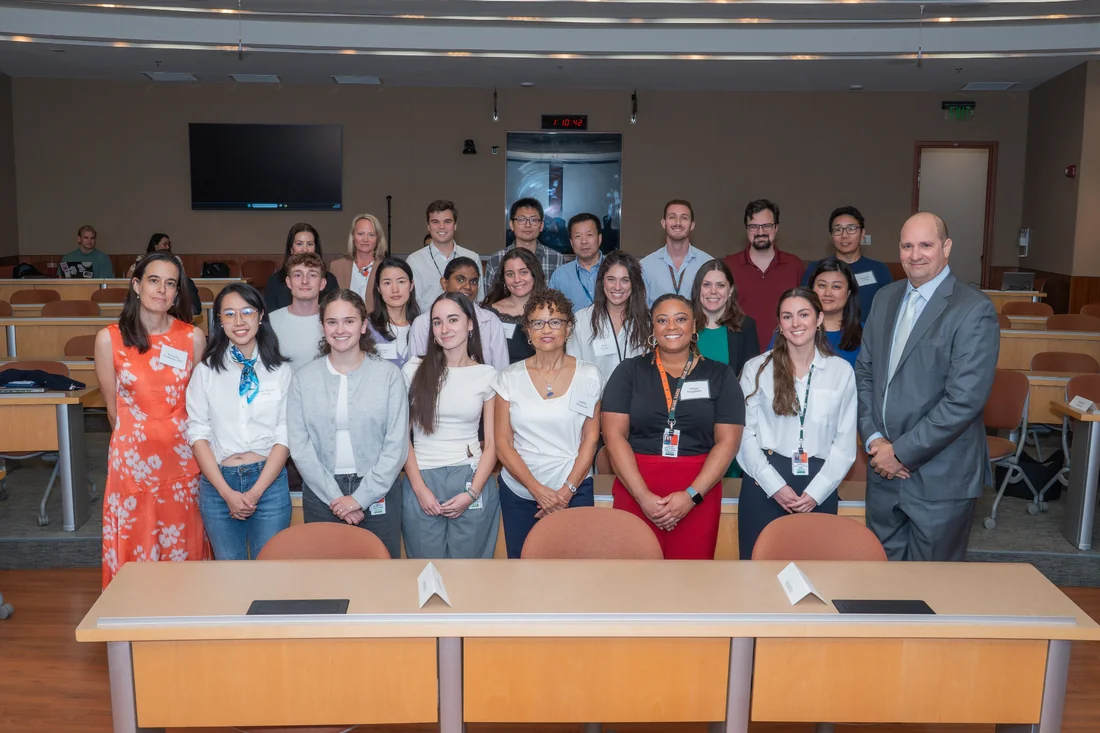
At the university's first ALS Symposium in October, leading researchers from Stanford, Johns Hopkins, and Boston University gathered to share a breakthrough approach. Instead of studying neurodegenerative diseases separately, they're discovering the biological mechanisms these conditions share.
Dr. Michael Benatar leads the University of Miami ALS Center in conducting the field's first prevention trial. His team targets people with genetic mutations that cause ALS, searching for ways to intervene before irreversible damage occurs.
"One of the major focuses of our research is whether it's possible for us to prevent the emergence of ALS," said Dr. Benatar, who holds the Walter Bradley Chair in ALS Research.
The key lies in biomarkers: biological signals that reveal disease activity years before symptoms appear. Researchers at the Miller School of Medicine are developing tests that could predict risk, monitor progression, and evaluate whether new therapies work.
This matters for more than just ALS. Discoveries about how proteins misbehave in ALS are now informing research into Alzheimer's disease and frontotemporal dementia. When scientists crack one puzzle, they illuminate pathways to solving others.
The university launched the ALS FastTrack Clinic, which connects potential patients with specialists in weeks instead of months. Speed matters when every day of delay means lost brain cells.
Dr. Leonard Petrucelli, founding director of the Neuroscience Institute, believes bringing together experts in genetics, artificial intelligence, and clinical medicine creates unprecedented opportunities. His team connects specialists who might never otherwise collaborate.
The Ripple Effect
The symposium represents more than academic collaboration. For decades, families watched loved ones decline from ALS with no hope of intervention. Now researchers are building infrastructure to identify at-risk individuals before symptoms emerge.
The University of Miami recently launched an NIH-funded initiative targeting people with C9orf72 gene mutations, laying groundwork for future prevention trials. These studies don't guarantee cures yet, but they open doors that remained locked for generations.
When researchers share findings across disciplines, progress accelerates. A biomarker discovered for ALS might unlock earlier diagnosis for dementia. A protein pathway mapped in one disease could reveal therapeutic targets for another.
This collaborative approach transforms how science tackles brain disease: not one disorder at a time, but as interconnected challenges requiring combined expertise.
The shift from treatment to prevention marks a turning point in neuroscience, and researchers are writing that future now.
More Images


Based on reporting by Health & Wellness Desk
This story was written by BrightWire based on verified news reports.
Reset Your Focus With Today’s Daily Affirmations & Mood Check
Take a 60-second mindful pause with curated daily affirmations and our private positivity mood tracker.
Spread the positivity!
Share this good news with someone who needs it

