Scientists Unite to Track Super El Niño, Save Lives
Climate scientists are using cutting-edge forecasting models to predict and prepare for an unprecedented El Niño event, giving communities months of advance warning to protect crops, secure water supplies, and save lives. This level of climate prediction was impossible just decades ago.
Climate scientists have achieved something remarkable: they can now predict major weather events months in advance with 90% accuracy, giving the world unprecedented time to prepare and protect vulnerable communities.
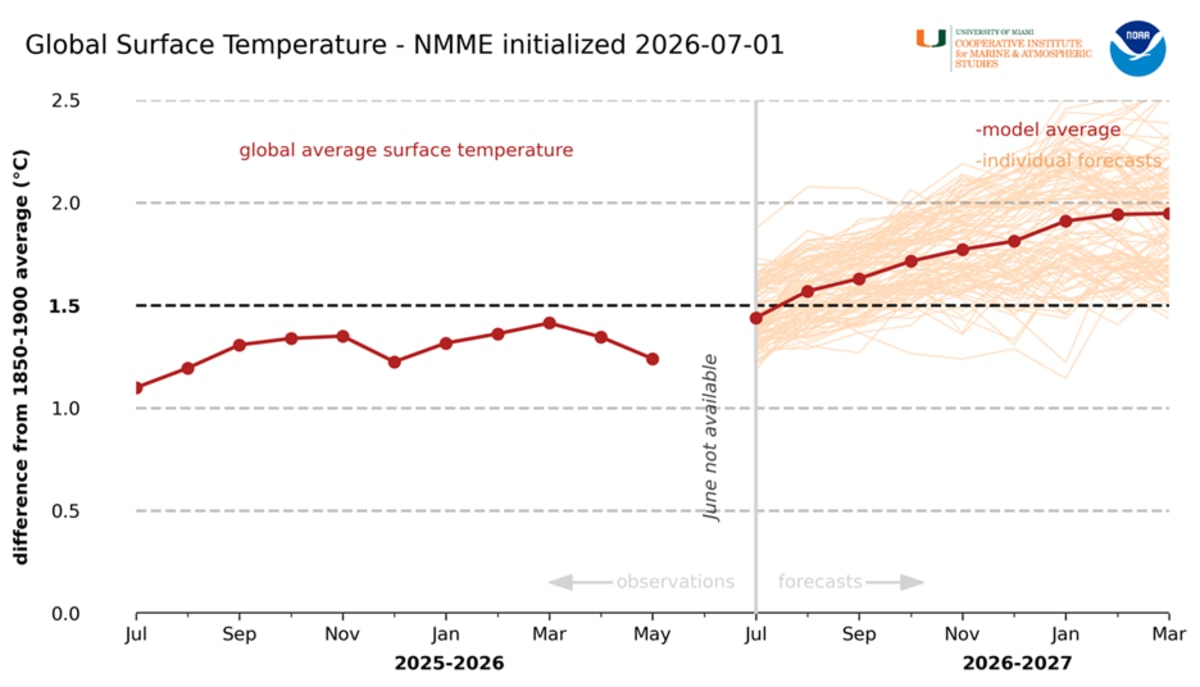
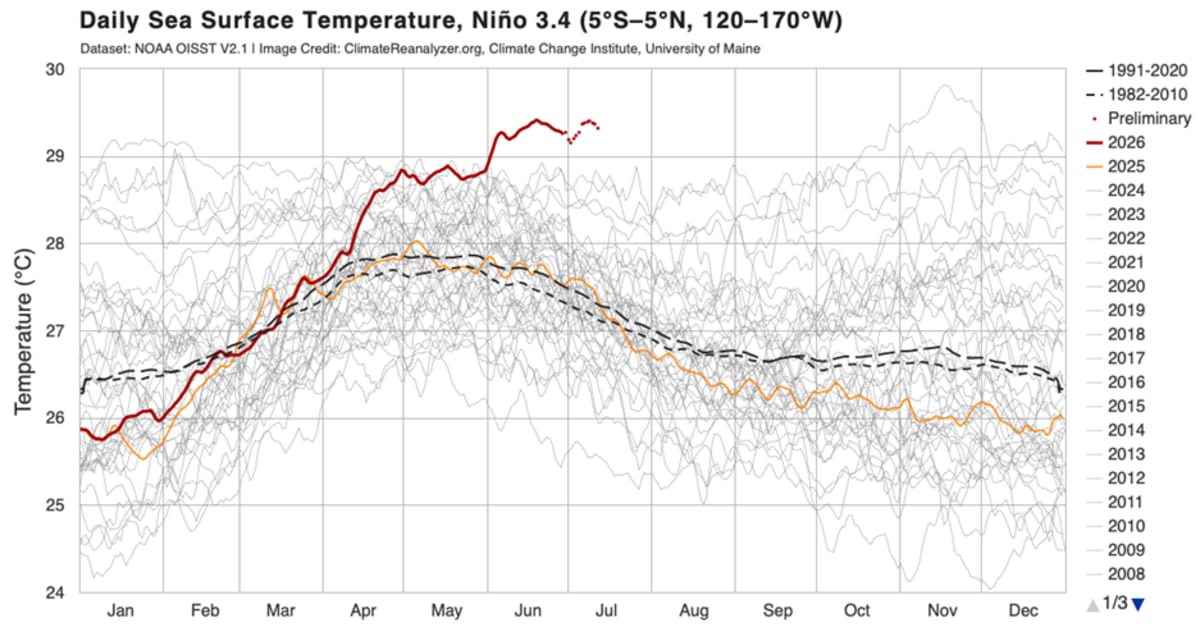
Nearly every major forecasting model available to researchers is tracking the development of what could become the strongest El Niño in recorded history. Thanks to advances in climate science and modeling technology, meteorologists spotted the pattern developing back in April and have been monitoring it closely ever since.
This early warning system represents a massive win for humanity. Countries dependent on agriculture can now adjust planting schedules, reinforce infrastructure, and stockpile resources months before extreme weather arrives. Water management agencies can prepare for droughts or floods. Coastal communities can shore up defenses against storm surges.
The North American Multi-Model Ensemble, a collaboration of scientists across institutions, is tracking ocean temperature changes in real time. Their sophisticated models analyze data from thousands of ocean buoys, satellites, and weather stations to predict how global temperatures will shift through March 2027.
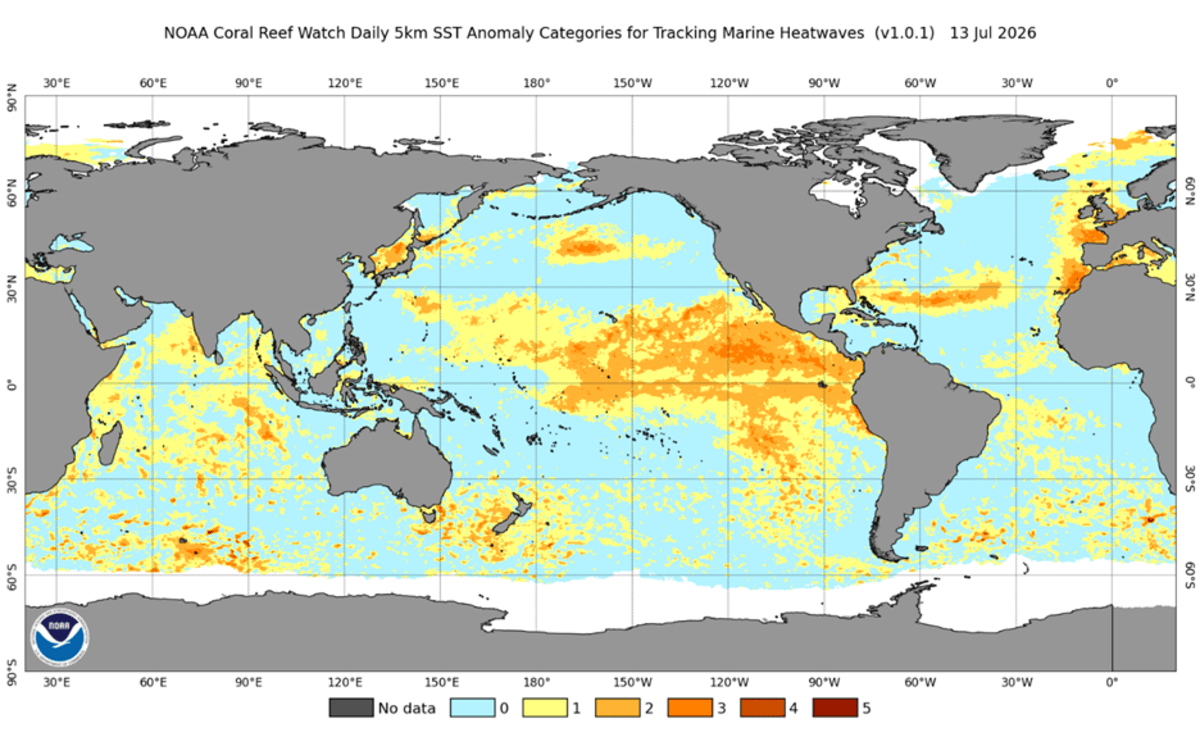
Marine scientists at NOAA have deployed an extensive network of coral reef monitors and ocean sensors tracking temperature changes across all major ocean basins. These tools didn't exist a generation ago. Now they're providing daily updates that help protect marine ecosystems and the communities that depend on them.
The international scientific community has built an impressive early warning infrastructure. The same monitoring systems tracking El Niño development are also identifying marine heatwaves affecting nearly 40% of the world's oceans, giving marine biologists and fisheries managers crucial time to respond.
The Bright Side
What's truly inspiring is how far climate science has come. Just 30 years ago, scientists could barely predict El Niño events weeks in advance. Today's forecasting models give us months of lead time to prepare, adapt, and protect the most vulnerable populations.
This predictive power is saving lives. When Europe experienced record temperatures last summer, advance warnings allowed cities to open cooling centers, check on elderly residents, and activate emergency response plans. Similar preparations are now possible for regions that will be affected by the super El Niño.
The global collaboration behind these forecasting systems shows what humanity can achieve when scientists work together across borders. Research institutions in North America, Europe, Asia, and Australia are sharing data in real time, creating the most comprehensive picture of Earth's climate ever assembled.
Communities worldwide now have something previous generations never had: time to prepare. Farmers can choose drought-resistant crops. Cities can upgrade stormwater systems. Governments can position emergency supplies. All because scientists can see months into the future.
More Images

Based on reporting by Google News - World Record
This story was written by BrightWire based on verified news reports.
Spread the positivity!
Share this good news with someone who needs it