Scientists Unlock Bacteria's Defense System for Better Tests
Researchers in Lithuania have figured out how a powerful bacterial defense system called SPARDA works, opening doors to better medical diagnostic tests. The discovery could make detecting diseases like flu and COVID faster and more accurate than current methods.
Scientists just cracked the code on a bacterial defense system that could revolutionize how we test for diseases.
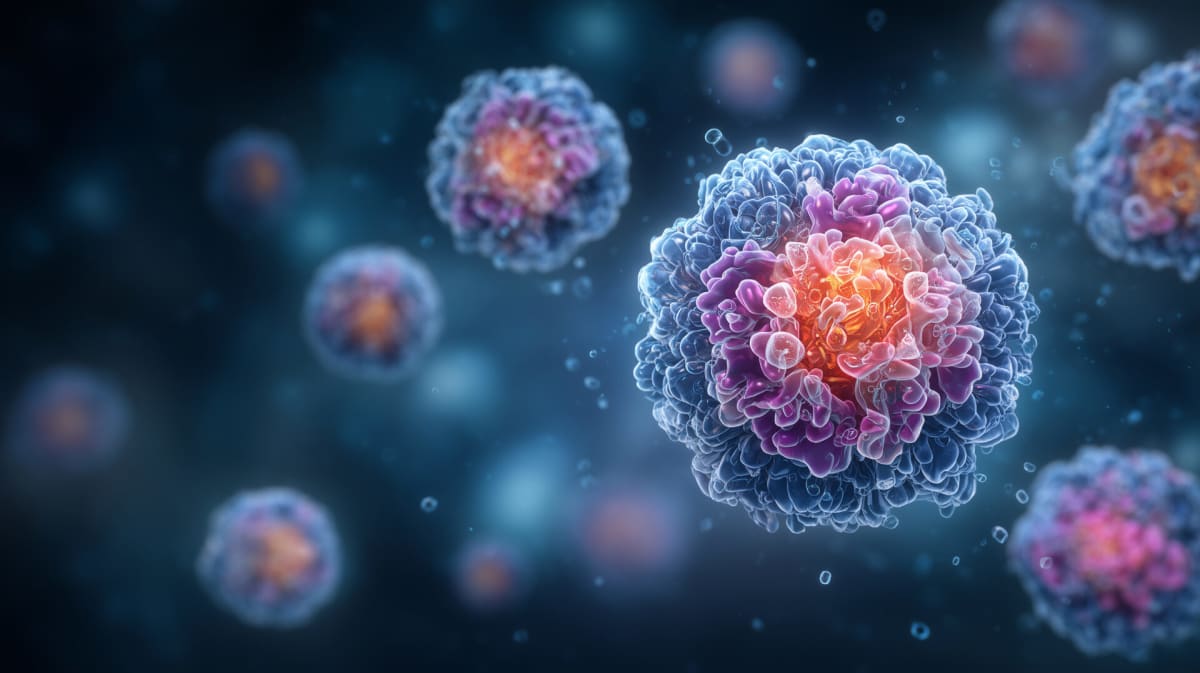
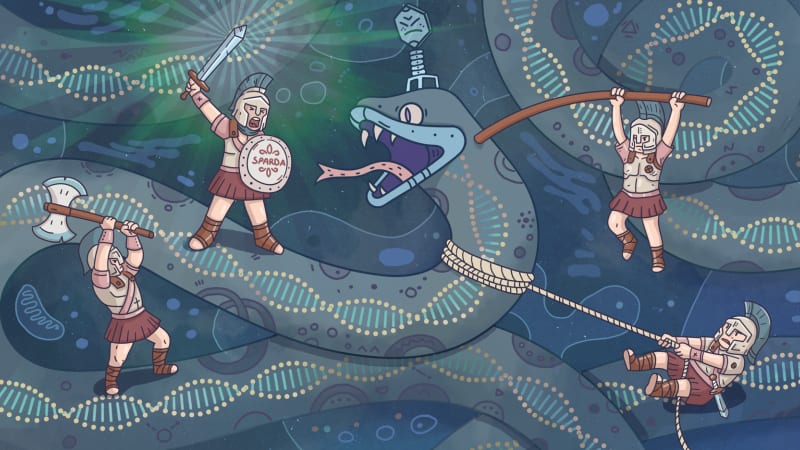
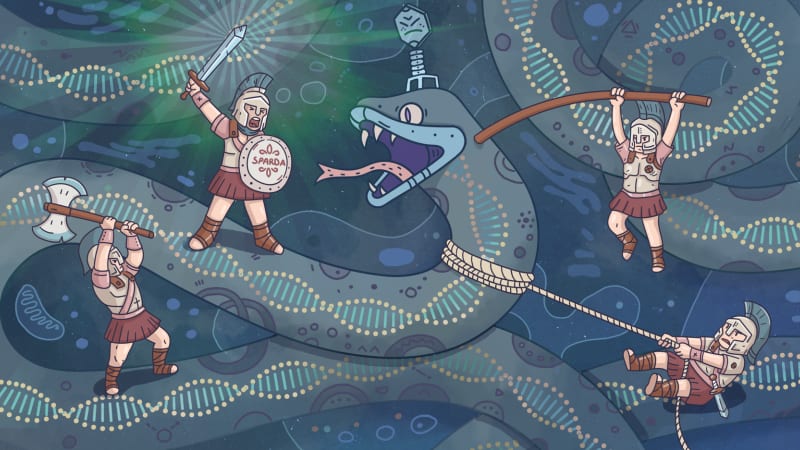
Researchers at Vilnius University in Lithuania have mapped out exactly how SPARDA works, a kamikaze-like immune system that bacteria use to protect themselves from viruses. When bacteria detect an invader, SPARDA proteins line up like soldiers and destroy everything around them, sacrificing the infected cell to save the larger colony.
Biochemist Mindaugas Zaremba and his team used AlphaFold, an AI tool that predicts protein shapes, to understand SPARDA at the molecular level. They discovered the system includes tiny switches called beta-relays that flip between "on" and "off" states, similar to electrical relays in machinery.
When these switches detect a threat, they trigger the proteins to form long, spiraling chains that chop up any DNA they encounter. It's an extreme response, but incredibly precise. The system only activates when it's absolutely certain an infection is present.
That precision is what makes SPARDA so promising for human medicine. The researchers tested SPARDA systems from two different bacteria: one from soil and another from a Michigan lake. Both worked the same way, suggesting this defense mechanism is universal.
Why This Inspires
SPARDA could solve a major limitation in current CRISPR-based diagnostic tests. Right now, these tests only work when specific DNA sequences called PAM sequences are present, like needing the right prongs on a plug to fit a socket. SPARDA doesn't need these sequences, making it like a universal adapter.
This flexibility means future tests could detect a wider range of germs more easily. Whether identifying flu, COVID, or other infections, SPARDA-based diagnostics could give doctors faster, more accurate results without requiring multiple different test types.
The discovery adds to a growing toolkit of bacterial defense systems being adapted for human use. CRISPR revolutionized gene editing after scientists repurposed it from bacteria, and SPARDA could be next in line to transform medicine.
Nature has spent billions of years perfecting these microscopic defense systems, and we're just beginning to unlock their potential for healing.
More Images


Based on reporting by Live Science
This story was written by BrightWire based on verified news reports.
Spread the positivity!
Share this good news with someone who needs it
%2Fhttps%3A%2F%2Ftf-cmsv2-smithsonianmag-media.s3.amazonaws.com%2Ffiler_public%2Fb8%2F5e%2Fb85ec0c4-468f-4a60-9021-4a6d41a63e39%2Falfie-bailey.png)