Scientists Unlock Genes That Could Regrow Human Limbs
Researchers studying salamanders, zebrafish, and mice discovered two genes that control the ability to regrow limbs and organs. The breakthrough could one day help millions of amputees grow back real arms and legs.
Scientists just cracked a genetic code that could transform the lives of 65 million people worldwide living with limb loss.
Researchers at Wake Forest University, Duke University, and the University of Wisconsin-Madison discovered two genes that act like master switches for regeneration. When these genes turn on, animals can regrow entire limbs, tails, and even parts of vital organs.
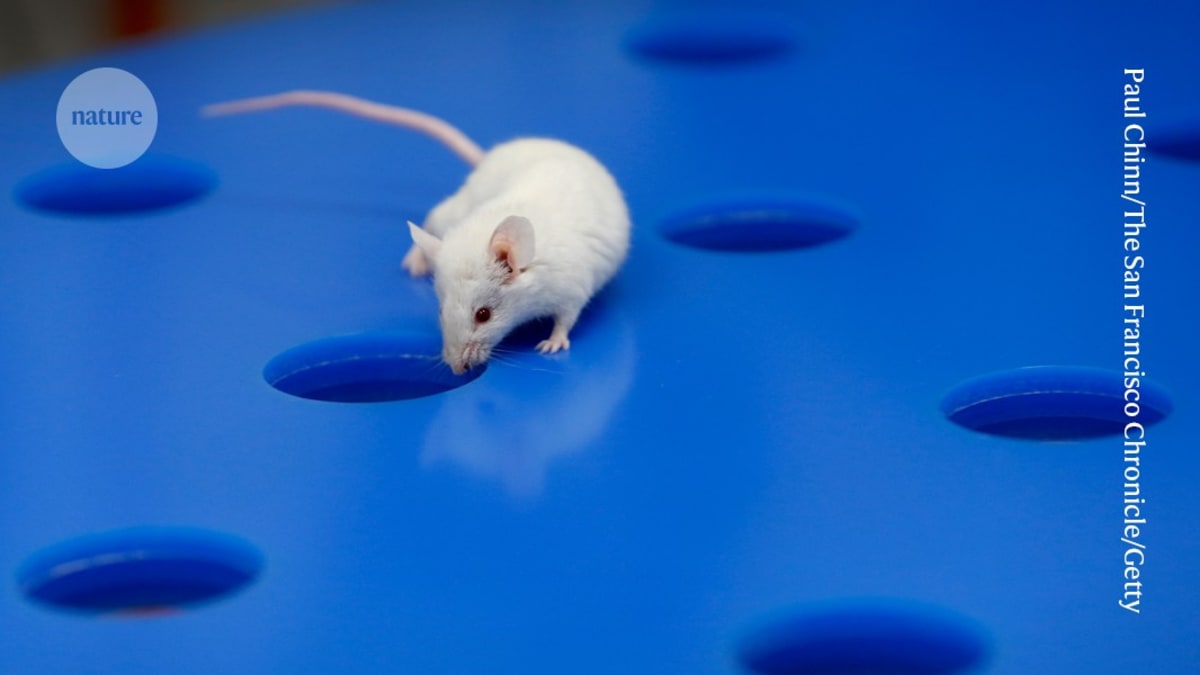
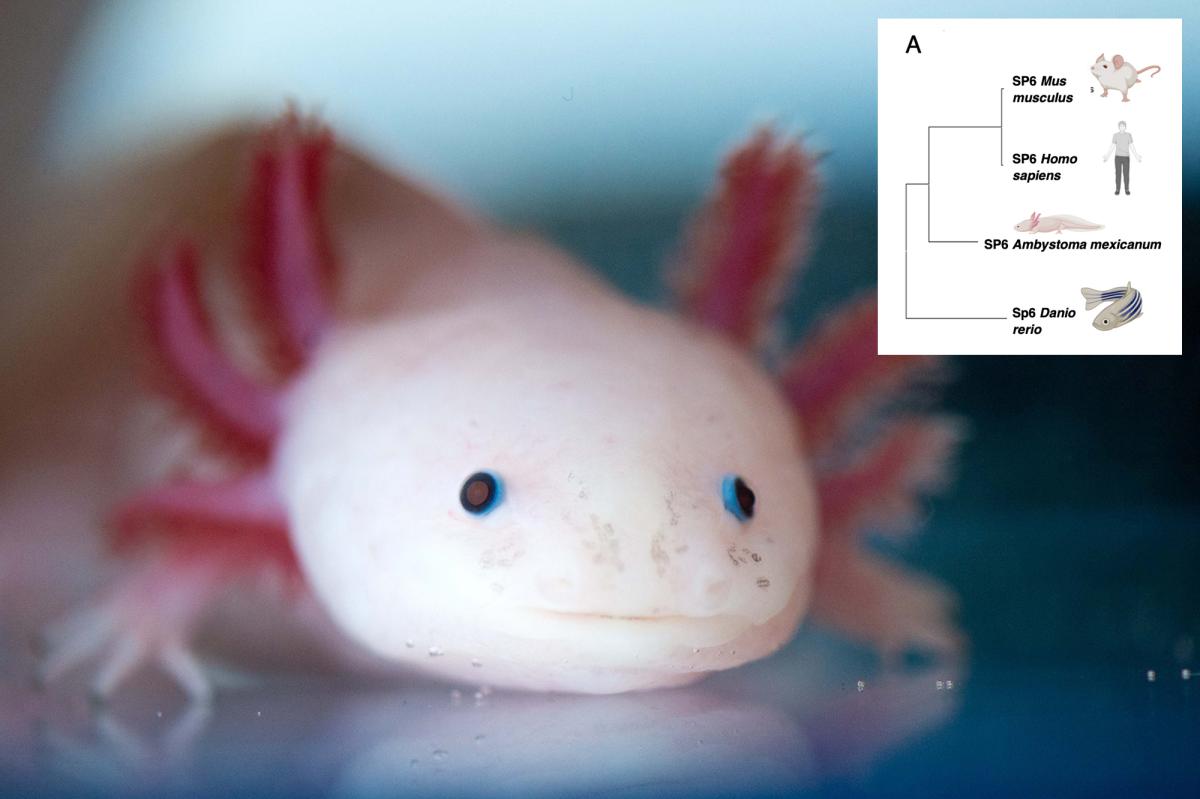
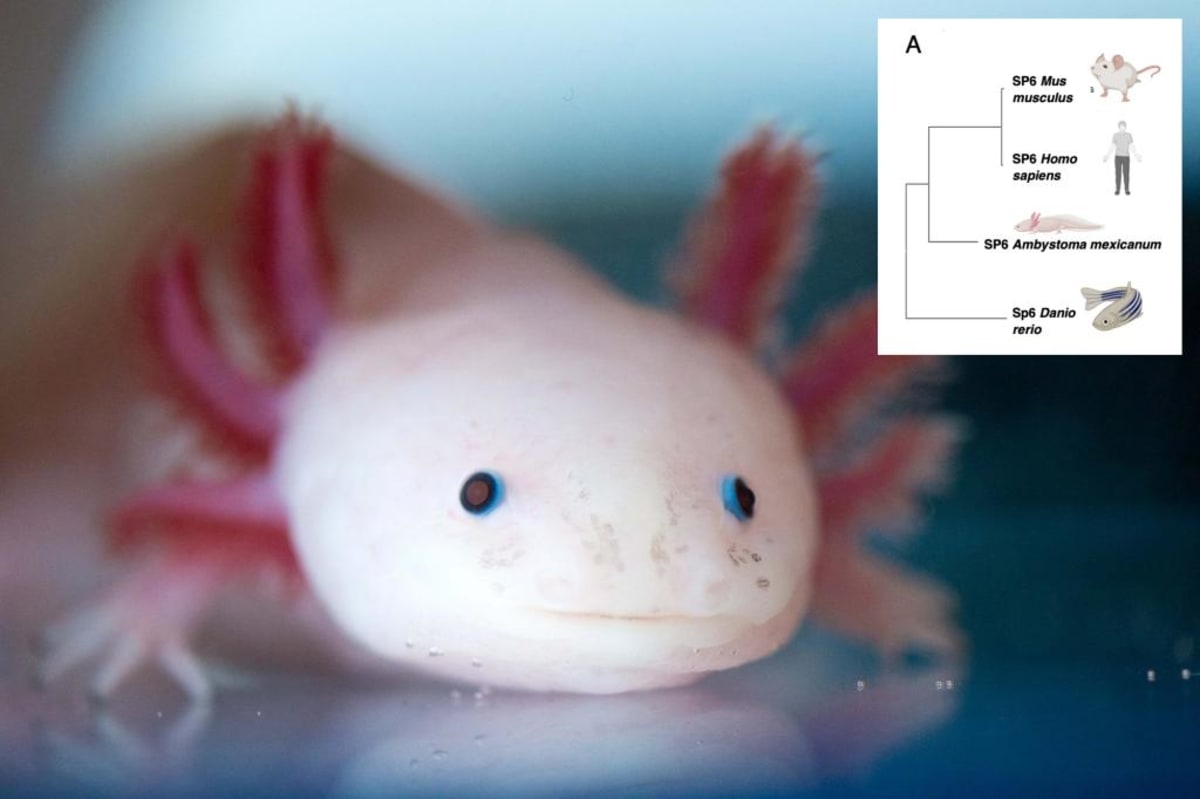
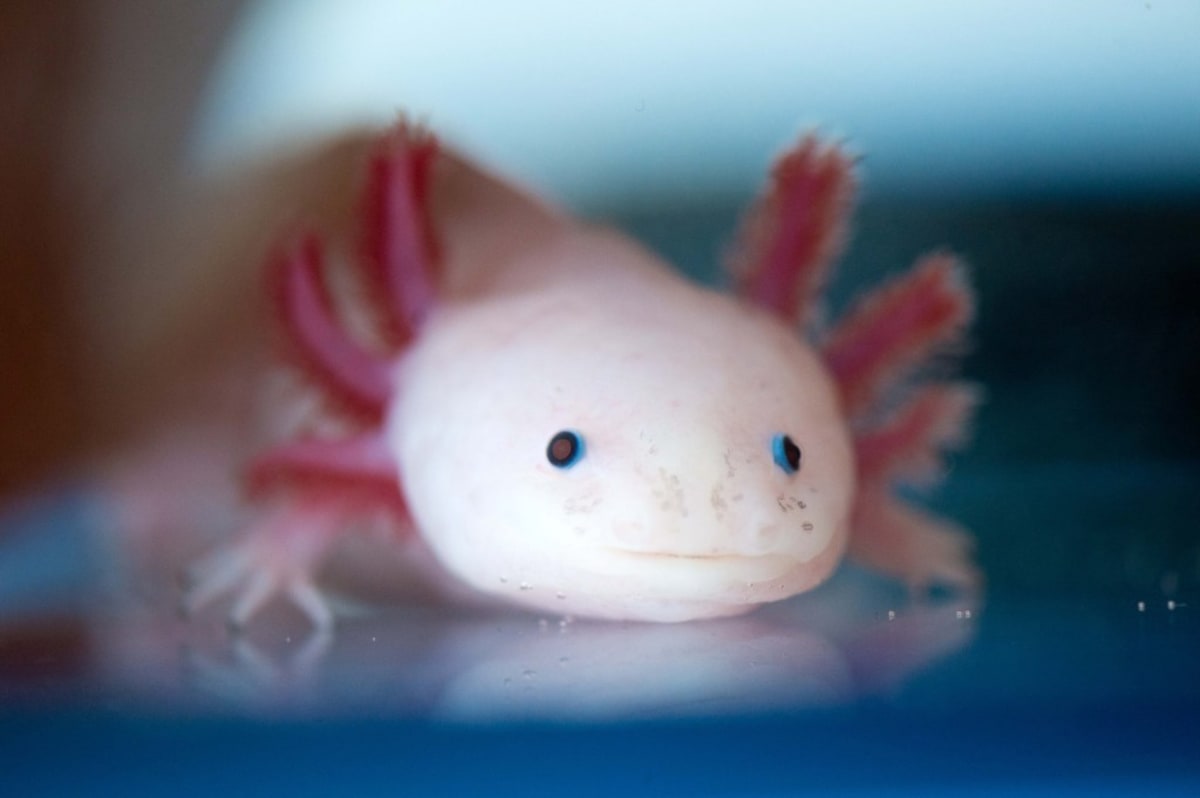
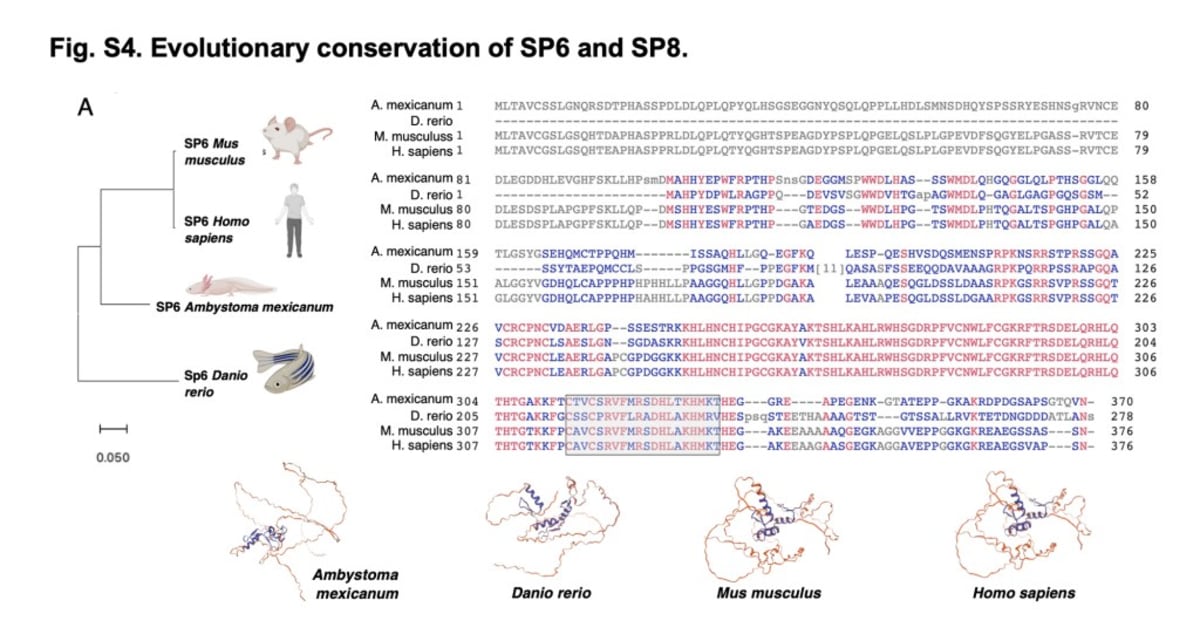
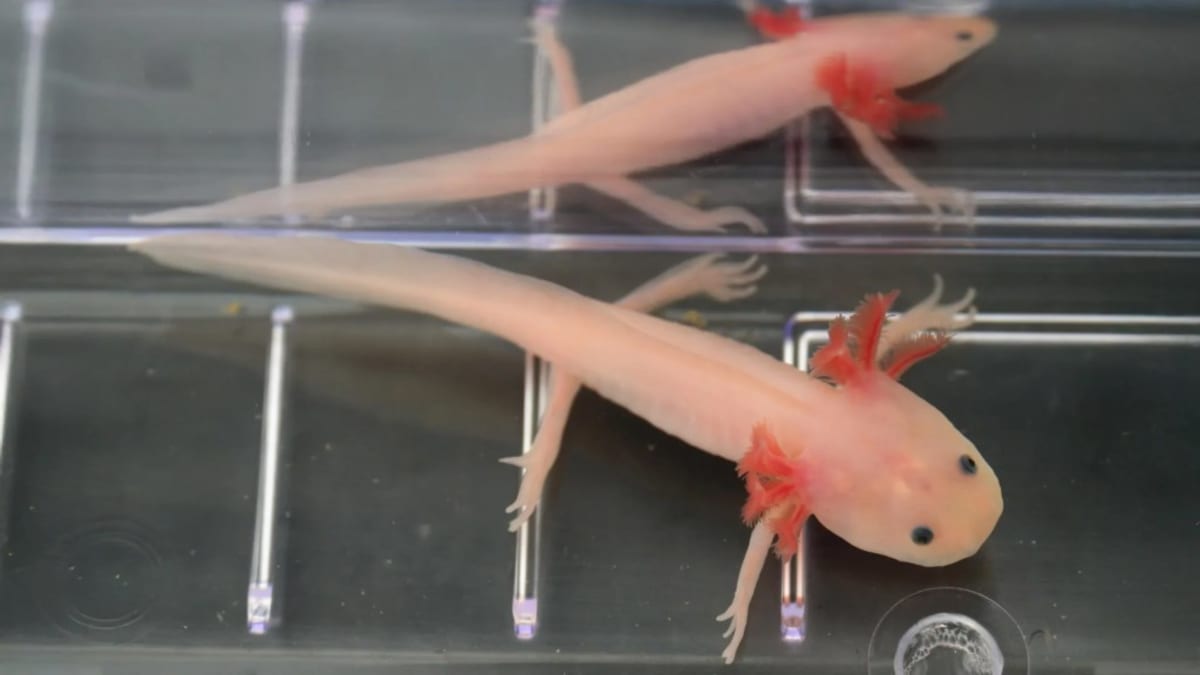
The team studied three very different creatures. Mexican axolotl salamanders can regrow entire arms, legs, tails, and portions of their heart, brain, and liver. Zebrafish repeatedly regrow damaged fins and repair their hearts, kidneys, and pancreas. Mice can regenerate the tips of their digits, much like humans sometimes regrow fingertips if the nailbed stays intact.
The breakthrough centered on two genes called SP6 and SP8. When scientists used CRISPR technology to remove SP8 from axolotls, the salamanders suddenly lost their ability to regrow limb bones. The same thing happened in mice.
Then came the exciting part. Using DNA-altering technology, researchers partially restored bone regrowth in mice that had lost their regenerative powers. If it works in mice, it could work in humans too.
Why This Inspires
More than 1.5 million amputations happen every year worldwide, mostly from diabetes complications. Right now, human bodies cannot regrow lost arms or legs. But this research suggests we might still carry ancient regeneration programs from 350 million years ago, just waiting to be switched back on.
The three labs worked together across different species to prove these genetic programs are universal. What controls regeneration in a salamander uses the same biological language as a mouse or potentially a human.
Wake Forest biologist Josh Currie calls gene therapy a new avenue that could complement other approaches. The path to regrowing human limbs will likely require multiple scientific breakthroughs working together, but this study just opened a door that seemed permanently locked.
The technology exists to edit these genes in humans. Scientists can already turn regeneration on and off in laboratory animals. The question is no longer if we can reactivate human regeneration, but when and how safely we can do it.
For millions living with limb loss, prosthetics may not be the only future anymore.
More Images
Based on reporting by Google News - Scientists Discover
This story was written by BrightWire based on verified news reports.
Spread the positivity!
Share this good news with someone who needs it