Scientists Unlock Hidden Regeneration Powers in Mammals
Texas researchers have discovered mammals may not have lost the ability to regrow body parts after all. A two-step treatment successfully restored bone, joints, and tendons in animal studies by redirecting healing away from scar tissue.
For the first time, scientists have shown that mammals might actually be able to regrow lost body parts—the ability was just switched off, not gone forever.
Researchers at Texas A&M University developed a groundbreaking two-step treatment that helped animals regenerate bone, joints, ligaments, and tendons after amputation. Instead of forming scar tissue like mammals normally do, the healing process was redirected toward actual regrowth.
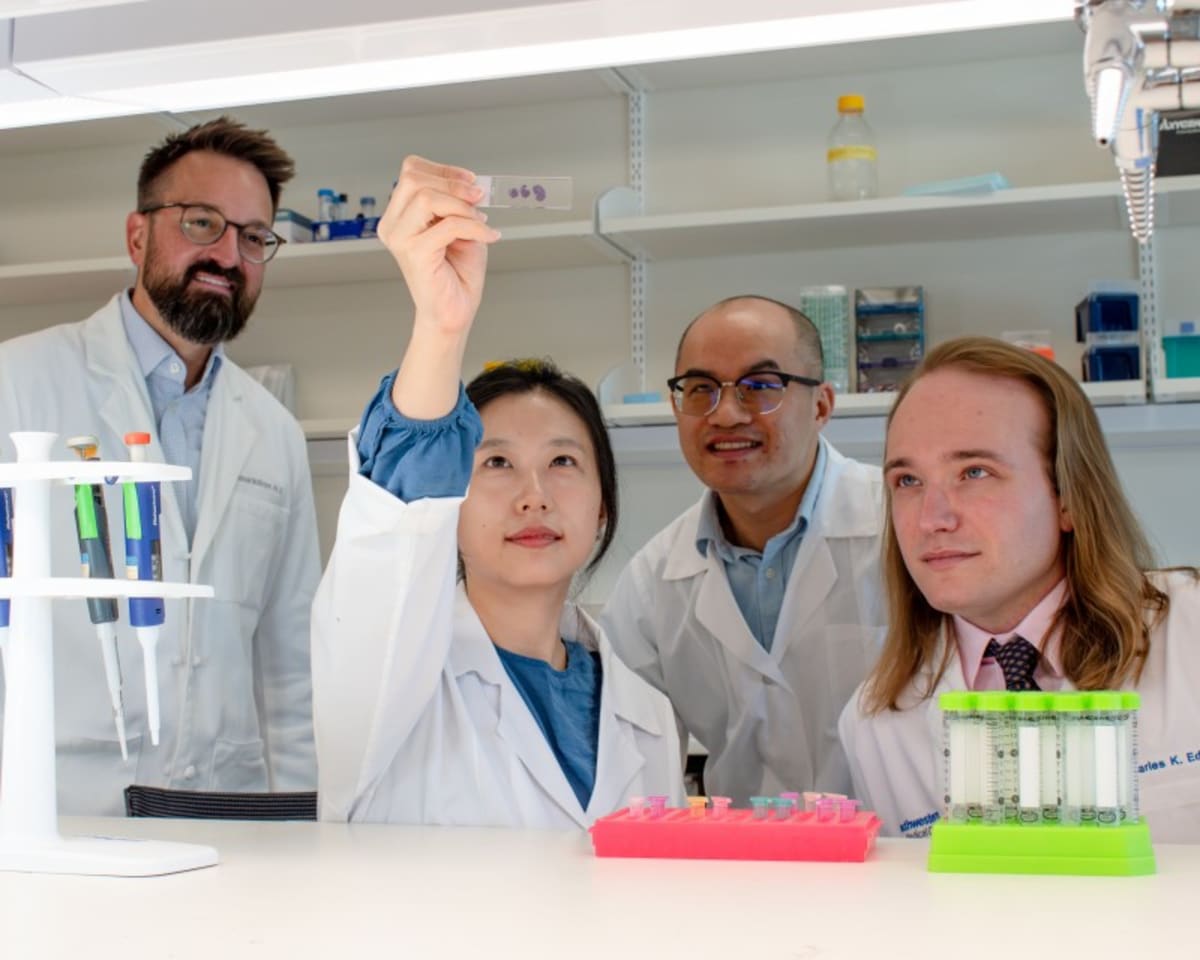
"Why some animals can regenerate and others, particularly humans, can't is a big question that has been asked since Aristotle," said Dr. Ken Muneoka, who led the study published in Nature Communications. His team found the key lies in fibroblast cells, which usually rush to close wounds and create scars.
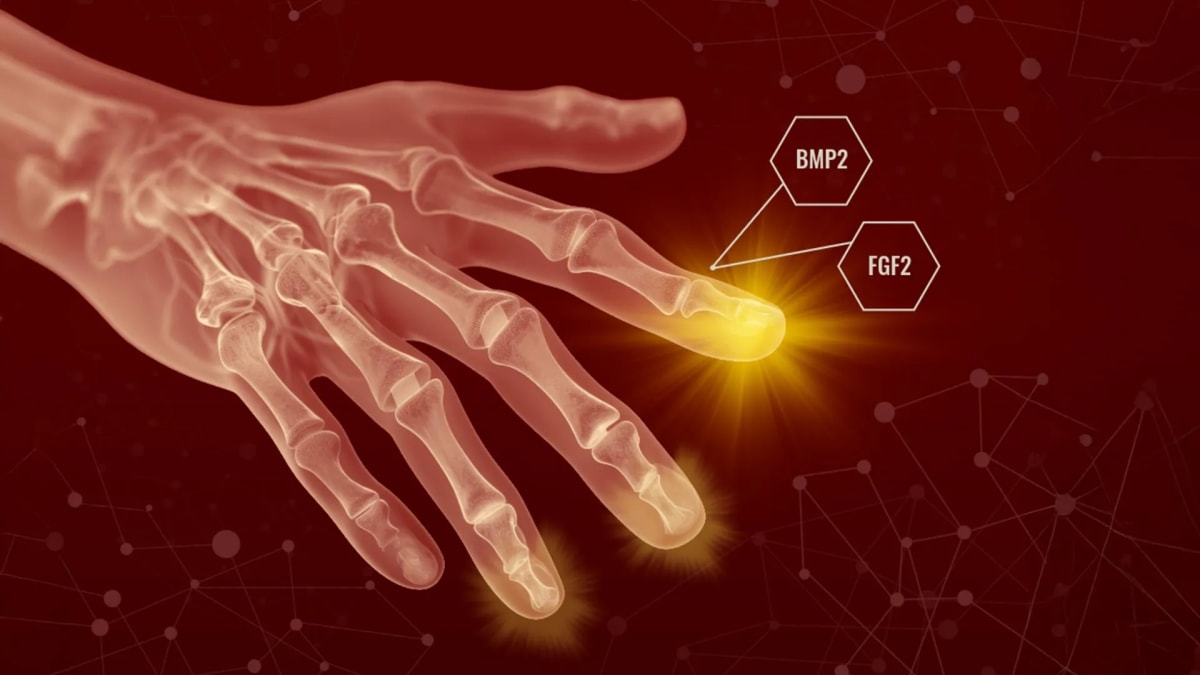
The treatment works by applying two growth factors in sequence. First, researchers waited for the wound to heal naturally, then applied FGF2 to encourage cells to form a blastema—a structure salamanders use to grow new limbs. Several days later, they added BMP2 to signal those cells to start building tissue.
The results challenged what scientists thought was possible. The cells that create scars can be redirected to build new structures instead, and they're already present in our bodies—no stem cell transplants needed.
"The capacity is not absent—it's just obscured," said Dr. Larry Suva, another researcher on the team. The regrown tissues weren't perfect copies of the original anatomy, but they contained all the major components that had been removed during amputation.
Why This Inspires
This discovery means the regenerative abilities we've envied in salamanders might actually exist in humans too, just waiting to be activated. Rather than accepting scar tissue as the only option after injury, we could one day redirect our own healing toward genuine repair.
Even before complete regeneration becomes possible for humans, this approach could dramatically reduce scarring and improve healing outcomes. The research opens doors that scientists once thought were permanently closed.
The future of healing just got a whole lot brighter.
Based on reporting by Google News - Science
This story was written by BrightWire based on verified news reports.
Spread the positivity!
Share this good news with someone who needs it