Scientists Unlock Human Regeneration Using 2 Growth Factors
Texas researchers successfully triggered bone and tissue regeneration in mice by reprogramming scar-forming cells to rebuild lost structures instead. The breakthrough suggests humans may have always had regenerative abilities like salamanders, just blocked by our body's scarring response.
Scientists at Texas A&M University may have cracked a mystery that's puzzled researchers since Aristotle's time: why salamanders can regrow entire limbs while humans cannot.
The answer isn't that we lack the ability. Our bodies just prioritize survival over regeneration by quickly forming scar tissue that seals wounds but prevents regrowth.
Dr. Ken Muneoka and his team published groundbreaking research in Nature Communications showing they successfully regenerated bone, joints, and ligaments in mice using a simple two-step treatment. Even more exciting, they did it without adding any external stem cells.
"The cells are already there. You just need to learn how to get them to behave the way you want," Muneoka explained.
Here's how it works. When mammals get injured, fibroblast cells rush to close the wound and create scar tissue. In salamanders, those same cells instead form a blastema, a temporary structure that enables tissue regrowth.
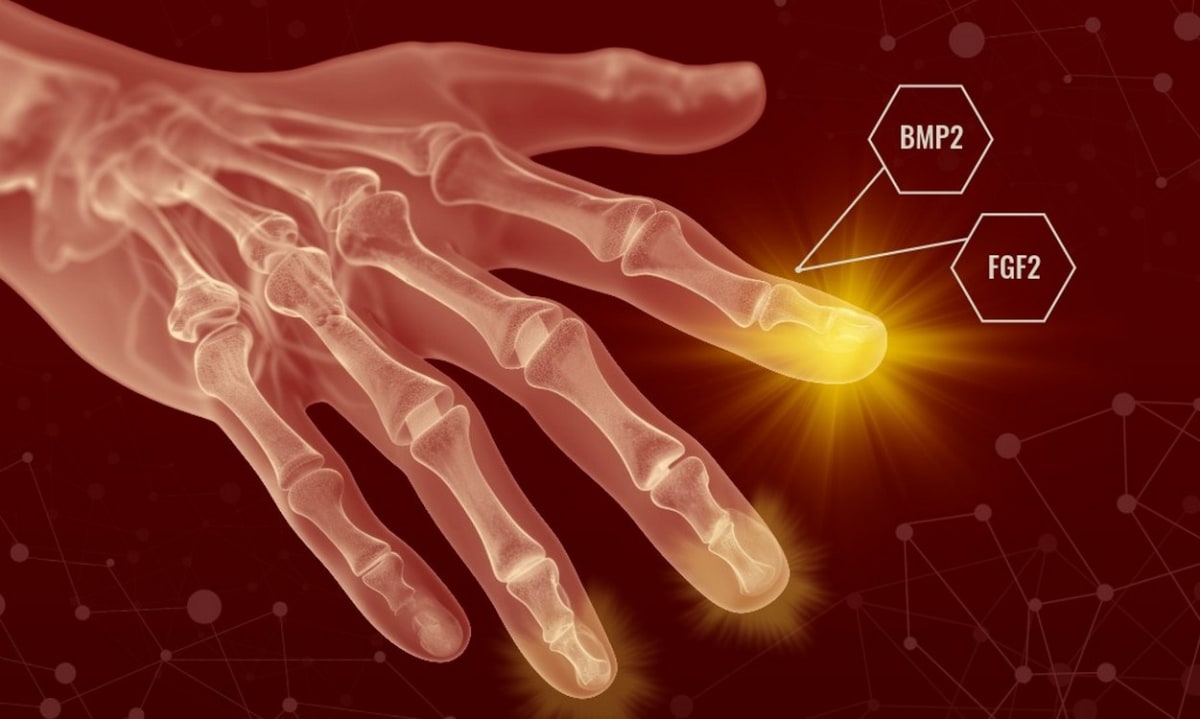
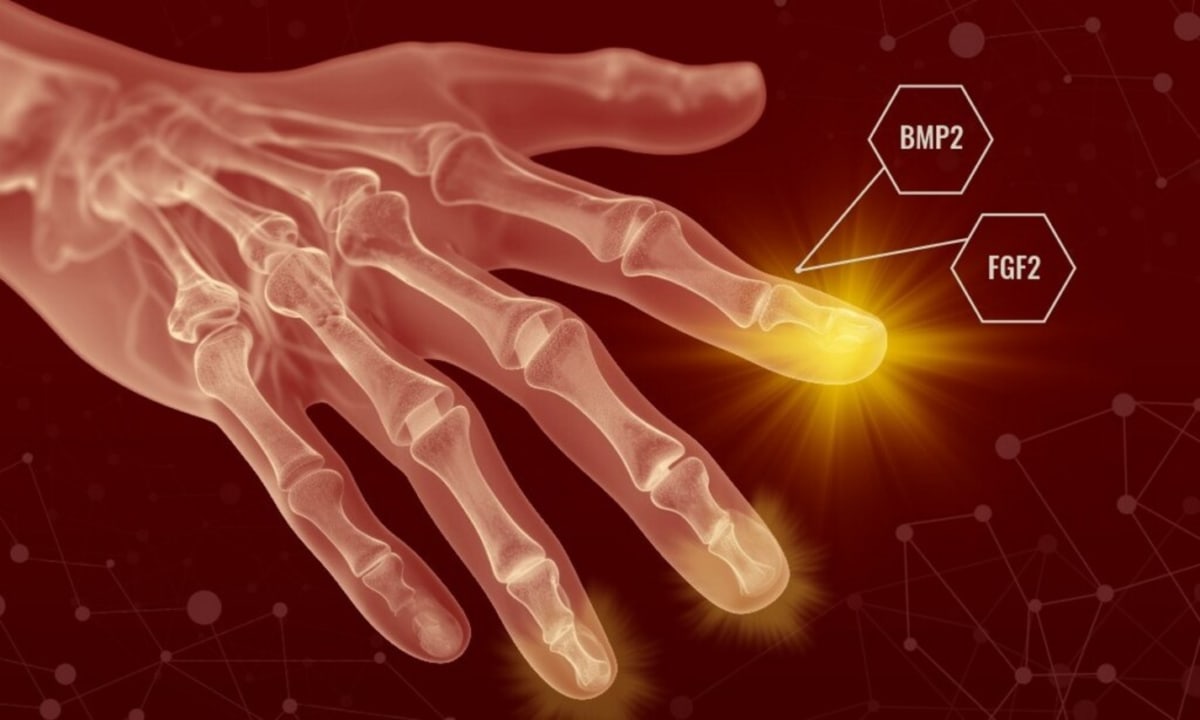
The Texas team figured out how to redirect mammalian cells down the regeneration path instead. First, they applied fibroblast growth factor 2 (FGF2) after a wound closed, shifting cells away from scarring. Days later, they used bone morphogenetic protein 2 (BMP2) to signal those cells to start building new structures.
The regenerated anatomy wasn't perfect, but researchers successfully restored all the components removed during amputation: bone, tendon, ligament, and joint. The structures formed in ways that reflected natural organization.
Why This Inspires
This discovery challenges everything we thought we knew about human healing limitations. We're not fundamentally different from regenerative species. We just needed to learn how to flip the right switches.
The pathway to human trials looks surprisingly accessible. BMP2 already has FDA approval for medical uses, and FGF2 is currently in multiple clinical trials for other applications.
Muneoka believes the immediate application won't be regrowing entire limbs but dramatically improving how wounds heal. Even slightly reducing scarring and improving tissue repair after amputations could transform recovery for countless patients.
After decades of research, Muneoka finally has his answer: "Regenerative failure in mammals can be rescued."
More Images


Based on reporting by Good News Network
This story was written by BrightWire based on verified news reports.
Spread the positivity!
Share this good news with someone who needs it