Scientists Unlock Material That Could Power Quantum Computers
Japanese researchers discovered a new superconducting material that can switch between three different states, bringing us closer to ultra-powerful quantum computers. The breakthrough could help create more stable quantum computers that don't lose information as easily.
A team at Okayama University and the University of Tokyo just made quantum computing more real, discovering a material that acts like a Swiss Army knife for future computers.
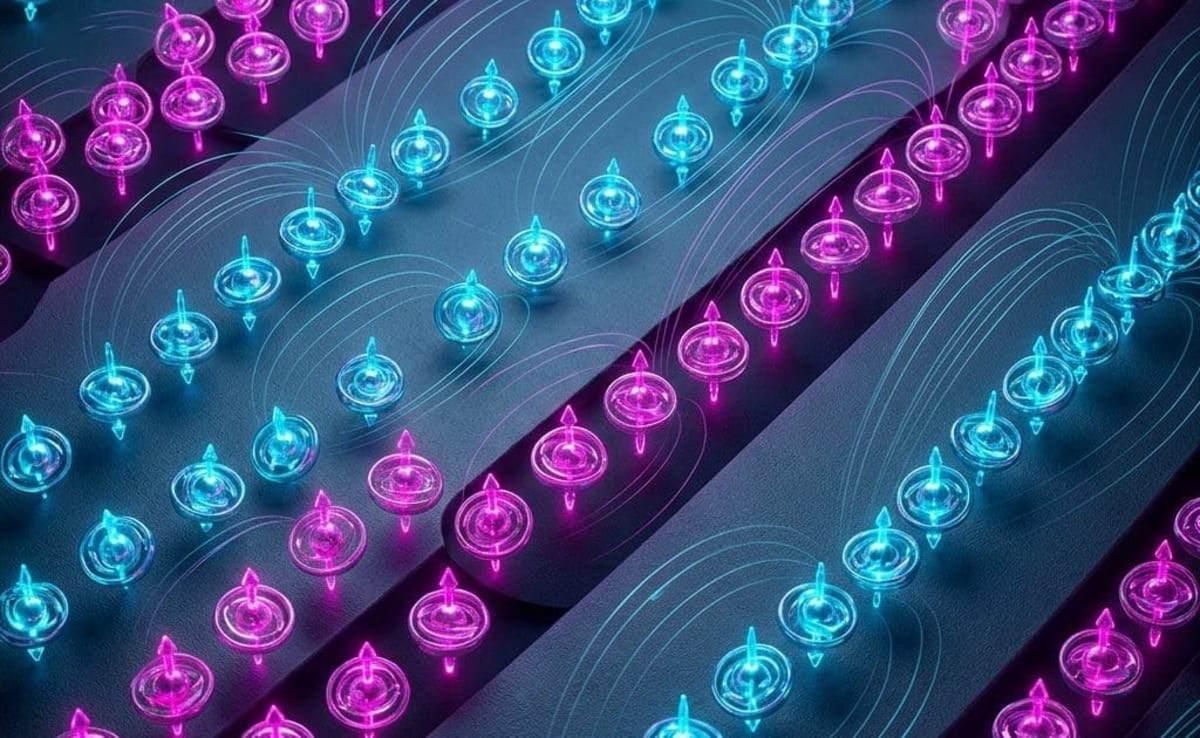
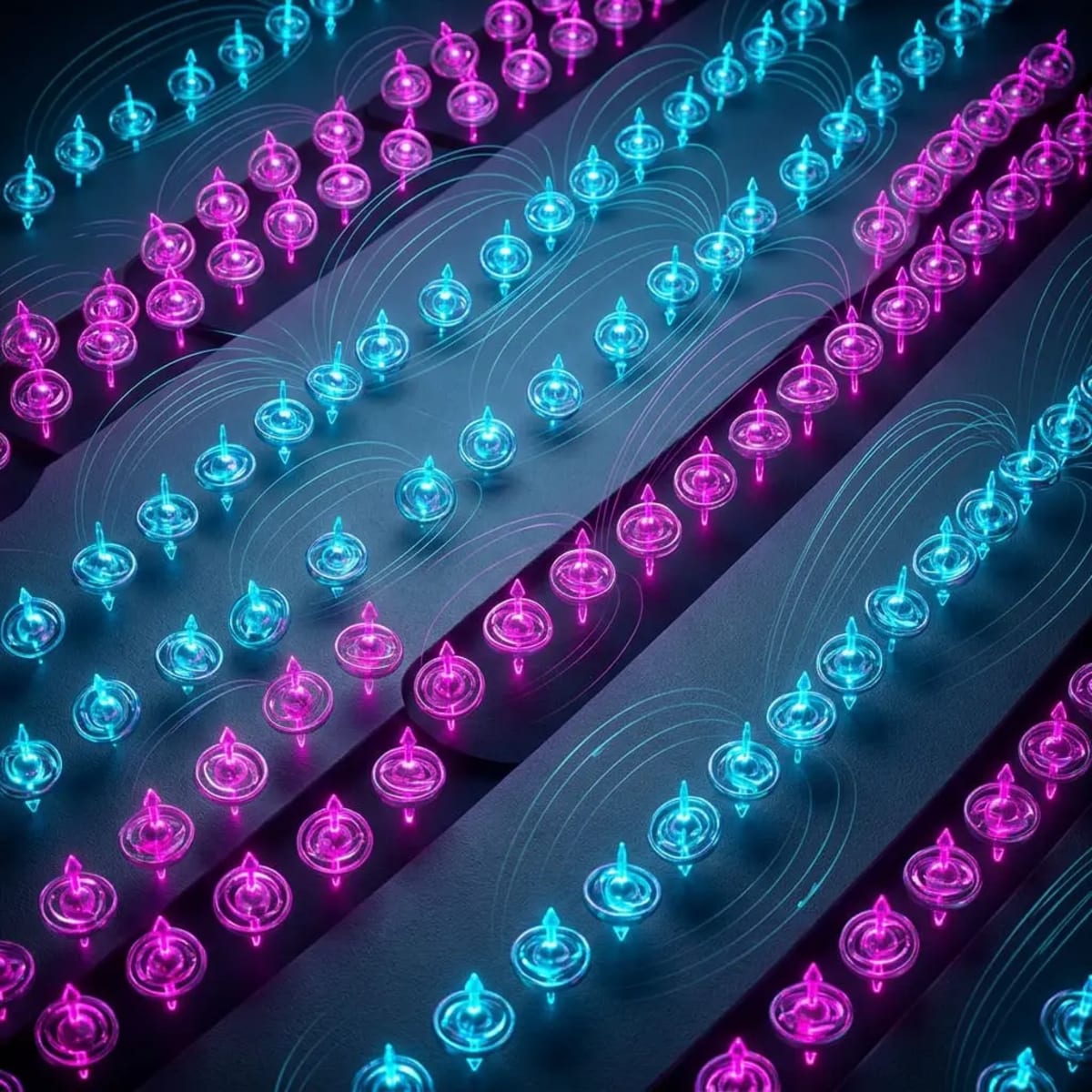
The researchers found that a material called K2Cr3As3 can switch between three distinct superconducting states, each with electrons spinning in different directions. Think of it like having three different tools in one material, each useful for different quantum computing tasks.
What makes this exciting is the material's potential to host something called Majorana bound states. These quantum particles could become the building blocks of computers that fix their own errors, solving one of quantum computing's biggest headaches.
Lead researcher Ogawa and his team used nuclear magnetic resonance technology (similar to hospital MRI machines) to watch how electrons pair up inside the material at extremely cold temperatures. They discovered the material works at 6.2 Kelvin, warmer than previous candidates, which matters because every degree closer to room temperature makes quantum computers more practical.
The material has another advantage over previous contenders. Unlike uranium-based superconductors that researchers tried before, K2Cr3As3 doesn't have competing magnetic interference that clouds the results. This clarity let the team map exactly how electron pairs behave as they switch between states.
The researchers identified three phases (labeled A, B, and C) where the spinning direction of paired electrons rotates like a compass needle. In phase A, spins align horizontally within the material's plane. In phase B, they flip perpendicular. In phase C, they return to the horizontal plane again.
This rotation isn't just scientifically cool. It means researchers could potentially tune the material's properties by adjusting temperature or magnetic fields, like having a dimmer switch instead of just on and off.
Why This Inspires
This discovery represents years of patient work finally paying off. While quantum computers still sound like science fiction to many of us, researchers are solving real problems piece by piece.
The team acknowledges they need to raise the operating temperature higher for practical applications. But finding a material with three tunable states in one package is like discovering a master key that fits multiple locks.
Every breakthrough like this brings quantum computing closer to solving problems today's computers never could: designing new medicines, predicting climate patterns, and creating unbreakable encryption.
The path from laboratory discovery to quantum computers in data centers will take years, but this research proves scientists are heading in the right direction, one superconducting material at a time.
More Images



Based on reporting by Google News - Researchers Find
This story was written by BrightWire based on verified news reports.
Spread the positivity!
Share this good news with someone who needs it