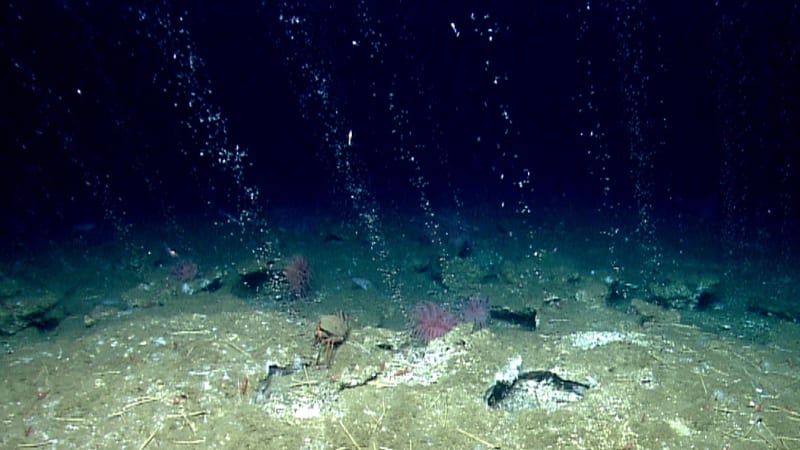
Scientists Unlock Ocean Secrets While Protecting Our Climate Future
Dedicated researchers are making exciting discoveries as they explore mysterious methane seeps on the ocean floor, uncovering unique ecosystems and gathering crucial data to help humanity better understand and address climate challenges. Their innovative detective work spans from Arctic waters to Antarctica, revealing fascinating insights about our planet.
A passionate group of scientists is embarking on thrilling underwater adventures, hunting for tiny methane bubbles rising from the ocean floor. These "flare hunters," as they sometimes call themselves, are making remarkable discoveries that could help humanity better understand our changing climate while unveiling extraordinary ecosystems hidden beneath the waves.
Their work takes them to some of Earth's most remote locations, from the Arctic Ocean to the pristine waters surrounding Antarctica. Armed with cutting-edge technology including underwater microphones, sonar mapping systems, and submersibles, these dedicated researchers are piecing together an important puzzle about our planet's methane emissions.
Claudio Argentino, a sediment biogeochemist at The Arctic University of Norway, captures the excitement of this work perfectly. "These seeps are fascinating and extreme environments," he explains. What makes this research particularly valuable is that scientists must venture directly to these remote locations to gather accurate data, making each expedition an adventure in scientific discovery.
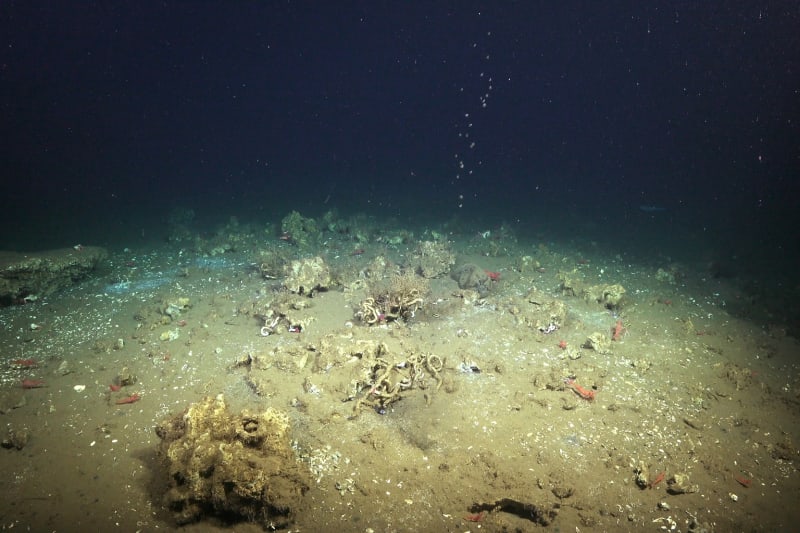
The team has already made tens of thousands of discoveries along continental shelves worldwide. These methane seeps form when organic matter decomposes in seafloor sediments, and the gas bubbles up through shifts in Earth's crust or when polar ice retreats. "It's like popping a cork from a champagne bottle," Argentino says, describing the natural phenomenon with infectious enthusiasm.
Perhaps most exciting are the recent discoveries in Antarctic waters, where researchers found dozens of new cold seeps, some in remarkably shallow waters. While these findings initially raised concerns, they represent a crucial opportunity. By identifying and studying these methane sources now, scientists can provide climate researchers with better data to refine their models and prepare more accurate forecasts.
Beyond their climate implications, these methane seeps support extraordinary life forms. The seeps create unique chemosynthetic ecosystems that thrive in complete darkness, potentially holding clues about the very origin of life on Earth. These communities of specialized organisms have adapted to survive in extreme conditions, demonstrating nature's incredible resilience and adaptability.
The research requires remarkable ingenuity and creativity. Scientists must measure bubble sizes, track their rise speed, and calculate how much methane actually reaches the atmosphere. At depths below about 200 meters, the gas either dissipates or gets consumed by methane-loving microorganisms, nature's own methane digesters that help regulate ocean chemistry.
What makes this work so hopeful is its proactive nature. Rather than waiting for climate surprises, these researchers are actively seeking out potential challenges before they become critical. Marine scientist Sarah Seabrook from Earth Sciences New Zealand emphasizes the importance of this work, noting that understanding these systems now allows scientists to factor them into future climate scenarios.
Each expedition brings new knowledge, helping humanity build a more complete picture of our planet's complex systems. By combining adventure, cutting-edge technology, and dedicated scientific inquiry, these bubble chasers are contributing invaluable data that will help societies worldwide make informed decisions about our environmental future. Their work reminds us that understanding our planet is the first crucial step toward protecting it for generations to come.
More Images

Based on reporting by Mongabay
This story was written by BrightWire based on verified news reports.
Spread the positivity! 🌟
Share this good news with someone who needs it
More Good News
 🚀 Innovation
Ancient Greenland Sharks Keep Perfect Vision for 400 Years, Unlocking Longevity Secrets
 🚀 Innovation
Scientists Discover 72 New Species from Sea Slugs to Sunflowers in 2025
 🚀 Innovation
Brainless Jellyfish Reveal Fascinating Secret About Sleep's Ancient Origins
Joke of the Day
Why did the dog apply for a job at the bank?
Explore Categories
Quote of the Day
"The greatest thing you'll ever learn is just to love and be loved in return."
— Moulin Rouge (from the film, popularized by Ewan McGregor)