Scientists Unlock Sweet Spot for Semi-Transparent Solar Panels at 50% Clarity
Groundbreaking research from Spain reveals that semi-transparent solar technology can be commercially viable and cost-competitive when transparency stays below 50%. This exciting discovery opens doors for innovative solar applications in buildings, agriculture, and urban spaces while maintaining economic feasibility.
Scientists at the University of Jaén in Spain have made an encouraging breakthrough that could accelerate the adoption of semi-transparent photovoltaic technology in our cities and farms. Their comprehensive study reveals the optimal balance point where these innovative solar panels remain both effective and affordable.
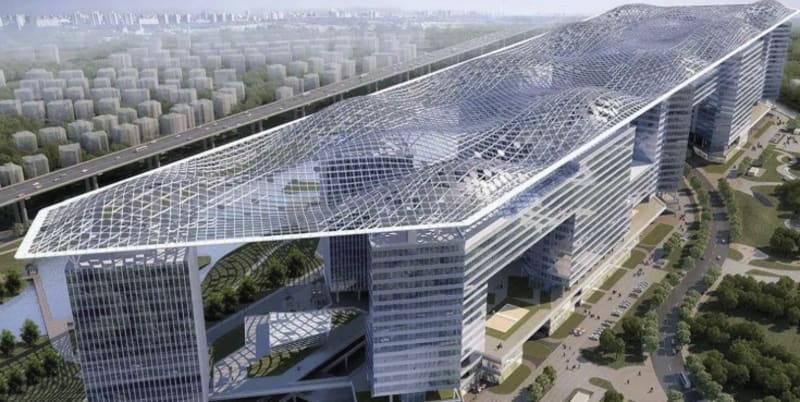
Semi-transparent solar panels represent an exciting frontier in renewable energy, allowing sunlight to pass through while simultaneously generating clean electricity. Imagine greenhouse roofs that protect crops while powering the facility, or office building windows that reduce glare while cutting energy costs. The potential applications are wonderfully diverse, from agricultural settings to building-integrated photovoltaics and beyond.
Lead researcher Joao Gabriel Bessa and his team have provided the solar industry with a valuable roadmap for success. Their analysis demonstrates that these systems remain commercially competitive up to approximately 45-50% transparency, a finding that validates numerous real-world applications already under development.
What makes this research particularly valuable is its practical approach. Rather than relying on theoretical scenarios, the team grounded their analysis in actual utility-scale solar projects operating in Spain. This real-world foundation means their findings can be confidently applied across various applications, from agrivoltaics to architectural integration.
The study examined a 1-megawatt ground-mounted system, carefully analyzing how transparency levels affect both performance and costs. At the optimal range of up to 50% transparency, these systems deliver impressive results. They provide meaningful electricity generation while maintaining enough light transmission for practical use in buildings or agricultural applications.
The research team's sensitivity analysis revealed an important insight: optimizing system layout, orientation, and light capture delivers better results than focusing solely on cost reduction. This empowering finding suggests that thoughtful design and placement can maximize the benefits of semi-transparent solar technology.
High-irradiation locations, such as southern Spain and similar sunny regions worldwide, are particularly well-suited for these systems. In these areas, the abundant sunlight helps maintain strong economic performance even as transparency increases, extending the viable range for these innovative installations.
Bessa emphasizes that this research helps set realistic expectations for the technology while highlighting where it can truly excel. By understanding these parameters, developers, architects, and farmers can confidently integrate semi-transparent solar panels into their projects, knowing they're making both environmentally and economically sound decisions.
The implications are genuinely exciting for sustainable development. Urban planners can envision cities where buildings actively contribute to the power grid without sacrificing natural light. Farmers can protect their crops while generating supplementary income from clean energy. Public spaces like covered walkways and transit shelters can become productive energy assets.
This breakthrough represents more than just technical validation—it's a green light for innovation in solar technology. The clear guidance on transparency thresholds removes uncertainty from the equation, enabling investors, builders, and entrepreneurs to move forward with confidence.
As we continue advancing toward a renewable energy future, research like this proves invaluable. It transforms ambitious concepts into practical solutions, bringing us closer to a world where clean energy generation seamlessly integrates into our everyday environment. The future of solar power isn't just bright—it's beautifully transparent.
Based on reporting by PV Magazine
This story was written by BrightWire based on verified news reports.
Spread the positivity! 🌟
Share this good news with someone who needs it
More Good News
 🚀 Innovation
JinkoSolar's AI-Powered Partnership Heralds Exciting Solar Energy Breakthrough
 🚀 Innovation
Clemson Researcher's Space Fire Safety Work Could Protect Future Moon and Mars Explorers
 🚀 Innovation
Scientists Unlock Sky-High Clean Energy with Bird-Inspired Flying Kites
Joke of the Day
Why did the librarian get kicked out of class?
Explore Categories
Quote of the Day
"Do not go where the path may lead, go instead where there is no path and leave a trail."
— Ralph Waldo Emerson