Scientists Unlock Why Some Smokers Never Get Cancer
Groundbreaking research reveals that inherited genes determine how our bodies respond to cancer-causing damage, explaining why some heavy smokers stay healthy while nonsmokers develop tumors. This discovery could transform how doctors screen for cancer and personalize treatments.
Scientists have finally cracked a medical mystery that's puzzled doctors for generations: why some lifelong smokers never get lung cancer while some people who never touch cigarettes do.
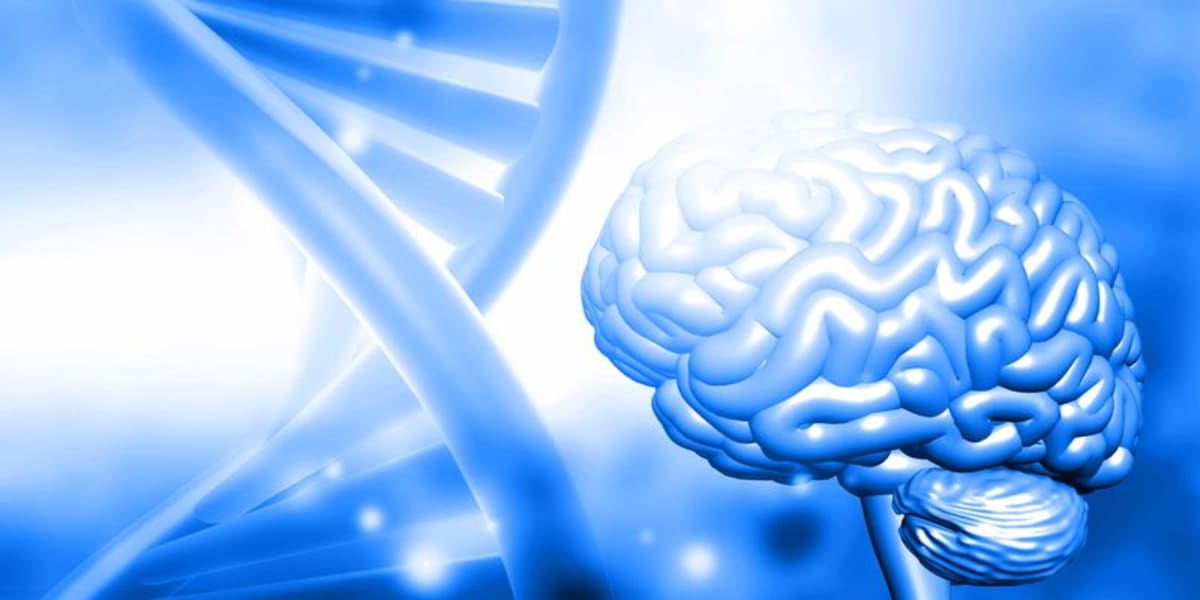
A landmark study published in Nature shows that our inherited genetic makeup dramatically influences how tumors develop after exposure to cancer-causing substances. The findings could revolutionize how we prevent, detect, and treat cancer in the future.
Researchers from Cancer Research UK and the German Cancer Research Centre studied genetically diverse mice exposed to identical doses of a liver carcinogen found in tobacco smoke and processed foods. Despite receiving the same cancer-causing dose under controlled conditions, the animals developed tumors through completely different pathways depending on their genetic background.
The team analyzed nearly 600 tumors to map how cancers evolved. They discovered that while many tumors eventually activated the same cancer-promoting processes, they reached that destination through different mutations and genetic changes unique to each animal's inherited DNA.
"We've been able to show for the first time the extent to which genetic background influences both the mutation processes and the pathways leading to tumor development," said Duncan Odom, who led the research. The study provides the first concrete evidence explaining why people exposed to similar environmental risks often experience dramatically different health outcomes.
The discovery goes beyond just explaining cancer risk. The research suggests that inherited genetics also influence how tumors evolve once they form and potentially how patients respond to treatments like chemotherapy and radiotherapy.
The Ripple Effect
This breakthrough could transform cancer care on multiple fronts. Doctors may soon be able to use genetic screening to identify people at higher risk and catch cancers earlier, even when environmental exposures seem minimal.
The findings also point toward truly personalized medicine. "How people respond to cancer drugs is likely to differ depending on their inherited genetics, and so we may need to tailor our diagnostics and treatments accordingly," said Sarah Aitken, Assistant Professor at Yale School of Medicine and study co-author.
Future cancer prevention programs could factor in both environmental risks and genetic diversity across different populations. This means screening strategies might be customized based on a person's inherited DNA, catching cancers at earlier, more treatable stages.
The research team emphasizes that more human studies are needed to confirm these findings. However, the discovery opens exciting possibilities for more powerful and precise approaches to preventing and treating cancer.
This breakthrough reminds us that unlocking nature's mysteries brings us closer to a future where cancer treatment isn't one-size-fits-all but tailored to each person's unique genetic blueprint.
More Images

Based on reporting by Euronews
This story was written by BrightWire based on verified news reports.
Spread the positivity!
Share this good news with someone who needs it